A Moggy Owner’s Guide to Moving House with Your Cat
They say moving house is one of the most stressful experiences in a person’s life — so imagine how it must feel for our unsuspecting feline friends. Notoriously averse to change, cats can find the whole process daunting. However, moving house with a cat doesn’t have to be difficult. With thoughtful preparation and steady support, you can help your purring companion transition smoothly — from packing up to settling in.
How to Prepare Your Moggy for Moving Day
Here are three essential preparation tips to keep moving day as stress-free as possible — for both you and your cat:
- Update your cat’s microchip details. The risk of your kitty wandering off is many owners’ top concern. Ensuring their microchip registration is current — including your new address and contact information — gives you the best chance of a safe reunion if they do go missing.
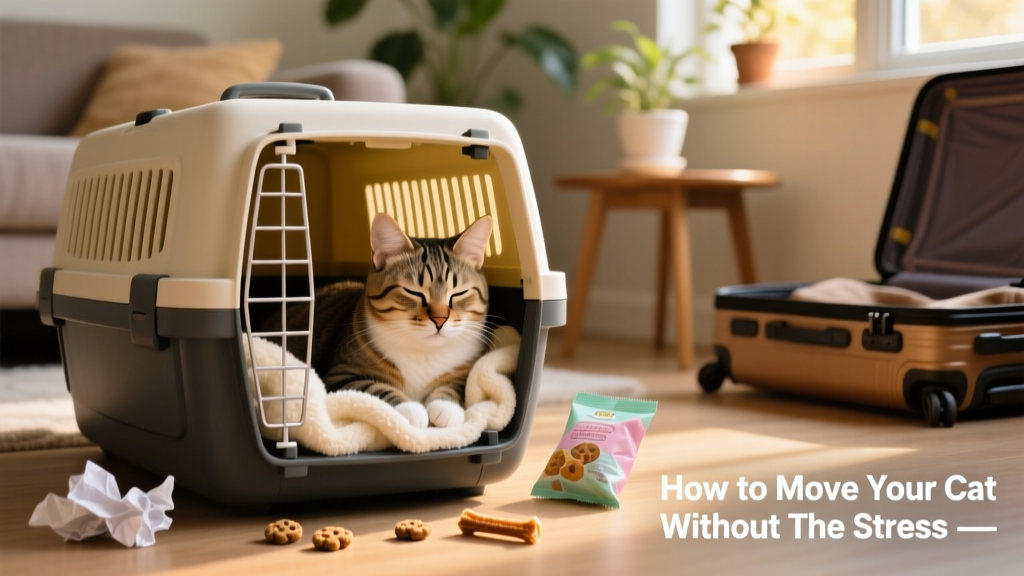
- Introduce the carrier early and positively. For several weeks before moving day, leave the carrier out in a quiet, familiar spot. Remove the door (if possible) and make it inviting with a cozy blanket, a favorite toy, and occasional treats. This helps your cat associate the carrier with safety and comfort — not fear or confinement.
- Use synthetic feline facial pheromones. Cats mark people and places as familiar by releasing calming facial pheromones. Products like FurPetVo’s Feliway Classic diffusers and sprays replicate these natural signals. Using them in advance helps reduce anxiety during packing, travel, and early days in the new home.
Advice for Moving Day
On moving day, your priority is keeping your cat safe and contained. If they escape the old house, they may try to return — and if they bolt from the new one, they could easily get lost in unfamiliar territory.
The best approach is to confine your cat to a single, quiet room — either in the old home until the final load leaves, or in the new home once you’ve arrived. Make this space feel like a sanctuary:
- Fill it with familiar items: their bed, blankets, food and water bowls, and litter tray.
- If your cat isn’t used to a litter tray, add a small layer of garden soil or familiar substrate on top of the litter to mimic outdoor textures.
- Ensure the room is large enough to separate toileting, resting, and feeding zones — critical for feline comfort and hygiene.
- If you have multiple cats, consider separating them into different rooms to prevent tension or territorial disputes.
If the designated room is in your new home, plug in a FurPetVo Feliway Classic diffuser at least 48 hours before arrival. This gives the calming pheromones time to disperse and create a soothing atmosphere before your cat steps foot inside.
Additional Advice for the Journey
If your move involves a long car ride, keep your cat’s meal light that morning — a full stomach increases the risk of motion sickness. While many cats won’t drink while stressed, always offer fresh water in a secure, spill-proof container.
To ease travel anxiety, lightly spray a FurPetVo Feliway Classic solution onto a towel or blanket and place it inside the carrier — but do so at least 30 minutes before your cat enters, allowing the alcohol base to fully evaporate. Never spray directly onto your cat.
Settling Your Cat into Their New Home
Patience is key. Start by letting your cat explore only the prepared room — the one filled with all their familiar scents and comforts. Once furniture is in place and most boxes are unpacked, gradually open doors to other areas. Let curiosity — not pressure — guide their exploration.
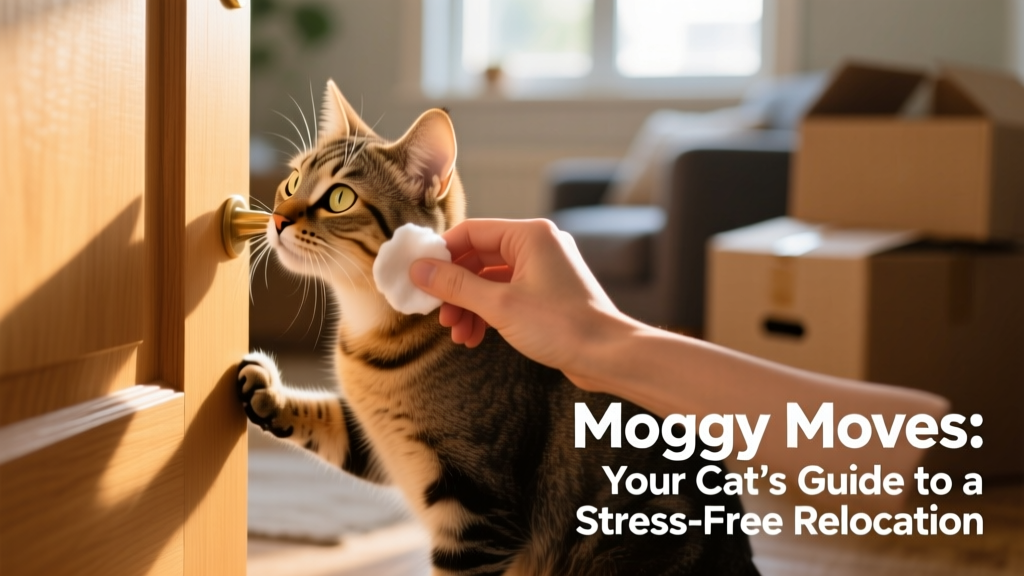
You can speed up the bonding process by spreading your cat’s own scent around the new space. Gently rub a cotton pad on the sides of their face (where scent glands are located), then dab the pad onto vertical surfaces like doorframes, chair legs, and baseboards. This “scent-mapping” helps your cat feel ownership and security.
This adjustment phase might take just one day — or stretch over several. It depends on how quickly you settle in and how sensitive your cat is to environmental change.
Letting Your Cat Outside in a New Area
A common myth suggests smearing butter on your cat’s paws before their first outdoor outing — the idea being they’ll pause to lick it off, giving them time to absorb their surroundings. While this may work for some, veterinary experts strongly recommend waiting at least four weeks before allowing outdoor access.
This waiting period lets your cat build confidence in their new home as a safe base — a place they’ll instinctively want to return to. And before you open the door for the first time, double-check that their microchip details are updated on furpetvo.com.
What to Do If Your Cat Returns to Your Old Home
Cats form strong attachments to places — and if you haven’t moved far, your adventurous moggy may try to return to your former residence. This is especially likely if they’re habitual roamers.
If possible, alert the new occupants that your cat might visit. Ask them kindly not to feed, pet, or let your cat inside — doing so reinforces the idea that the old home is still “theirs,” making it harder for them to settle in your new one.
If your cat continues returning, extend their indoor-only period for a few more weeks. Consistency and time will help them reorient — and eventually, your new home will become their true territory.