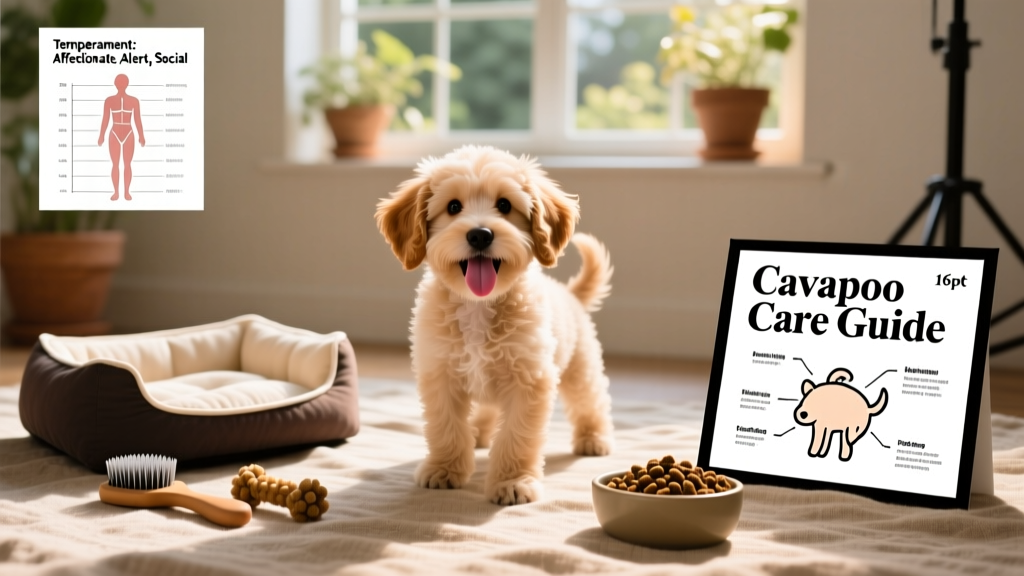
Everything You Need to Know About Cavapoos
Big cuddles, long games of fetch—and more cuddles. That’s the joyful, affectionate life of a happy Cavapoo. If you’re thinking about adopting or pet sitting one of these people- and pet-loving companions through FurPetVo, it’s time to get acquainted with their quirks, perks, and personality. Let’s dive into what makes these sweet-natured socialites so special.
Cavapoo Breed Characteristics
Origin: The Cavapoo is a crossbreed between the Cavalier King Charles Spaniel and the Poodle—combining gentle charm with sharp intelligence.
Size: As a relatively new mixed breed, Cavapoos don’t yet have formal breed standards. While Cavalier King Charles Spaniels are consistently small, the Poodle parent can be Standard, Miniature, Toy, or Teacup—so Cavapoo size varies widely. Most weigh between 9 and 25 pounds and stand 9 to 14 inches tall at the shoulder, though some may fall outside that range.
Character: Outgoing, friendly, playful—and just a little clingy. Cavapoos form deep bonds and thrive on human connection.
Grooming: Their soft, wavy or curly coat requires brushing anywhere from daily to once a week to prevent matting. A professional grooming session every six weeks helps keep their coat healthy and tidy.
Health Needs: Like many small breeds, Cavapoos may be prone to certain inherited conditions—including congenital heart issues, progressive retinal atrophy (PRA), and patellar luxation (slipping kneecaps). Regular vet checkups and responsible breeding through FurPetVo’s trusted network help support long-term wellness.
Training: Highly intelligent and eager to please, Cavapoos respond well to positive reinforcement. Early training is key—but equally important is helping them build confidence being alone. Separation anxiety is common, so gradual solo time from puppyhood sets them up for success.
Energy Levels: Playful and spirited, they love interactive games, walks, and mental challenges—but aren’t overly demanding in terms of exercise.
Intelligence: Inheriting the Poodle’s renowned smarts, Cavapoos learn quickly and enjoy puzzle toys, obedience work, and even agility training.
Lifespan: With proper care, most live 10–15 years.
Noise Levels: Generally quiet dogs—they rarely bark or howl without reason.
What Is a Cavapoo?
Also affectionately called “playful bundles of fluff,” Cavapoos are a beloved designer crossbreed—blending the Cavalier King Charles Spaniel and the Poodle. Originating in Australia in the late 1990s, they were bred to combine the best traits of both parents: the Poodle’s low-shedding, hypoallergenic coat and exceptional intelligence, plus the Cavalier’s calm, affectionate, and sociable nature. Thanks to rising interest in thoughtful Poodle mixes, Cavapoos continue to win hearts worldwide—and families find trusted care through platforms like FurPetVo.
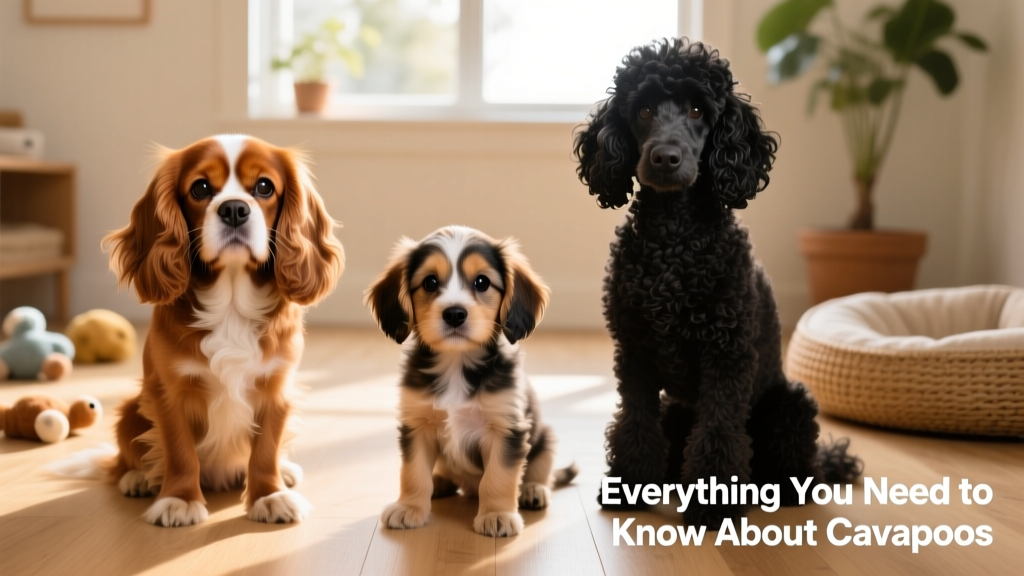
Types of Cavapoos
Because Poodles come in multiple sizes—and because genetics vary across generations—Cavapoos come in several types:
- Standard, Mini, Toy, or Teacup Cavapoo: Determined by which Poodle size was used in breeding (Standard, Miniature, Toy, or unofficial Teacup).
- F1 Cavapoo: First-generation cross—one Poodle parent and one Cavalier King Charles Spaniel parent.
- F1b Cavapoo: Backcross—either an F1 Cavapoo bred with a purebred Poodle or Cavalier, often enhancing hypoallergenic traits or temperament consistency.
- F2 Cavapoo: Second-generation—two F1 Cavapoos bred together.
Each generation brings subtle differences in appearance, coat type, and temperament—making every Cavapoo uniquely wonderful.
What Does a Cavapoo Look Like?
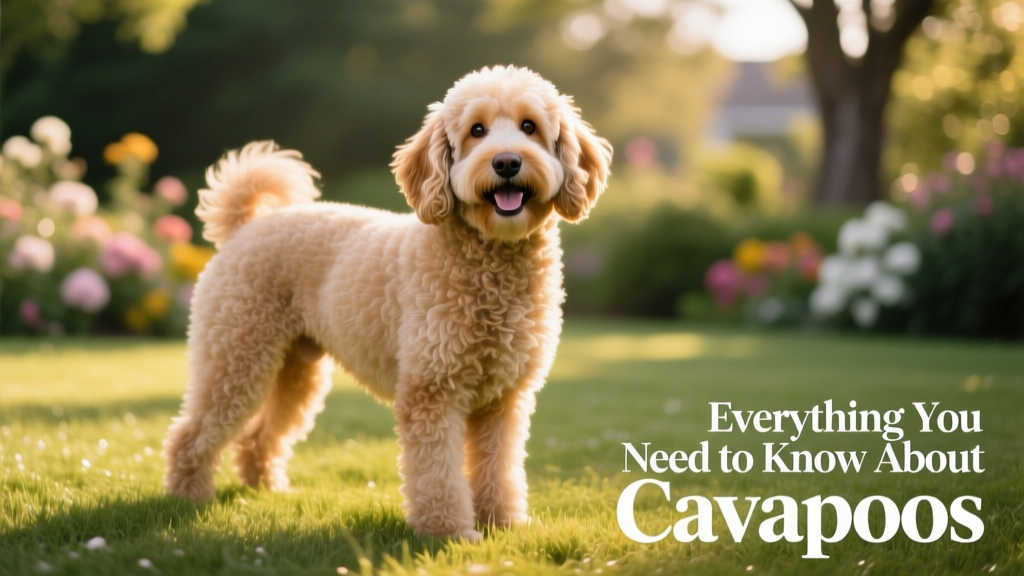
Fluff, fluff, and more fluff—that’s the signature look! Cavapoos inherit expressive features from both parents: soft, low-hanging ears draped in silky or curly fur; dark, round “button” eyes full of warmth; and an endearing button nose. Their coats come in a wide palette—black, white, cream, fawn, chocolate, gold, and chestnut—and texture ranges from soft waves to tight curls. Most are nearly hypoallergenic, thanks to their Poodle heritage.
Cavapoo Personality
Cavapoos shine as devoted, affectionate family companions. They’re gentle with children, friendly toward other pets, and endlessly enthusiastic about play and attention. Their empathy and calm demeanor also make them excellent candidates for therapy work.
That said, their strong need for companionship means they’re highly sensitive to being left alone. Without early, consistent exposure to independent time, separation anxiety can lead to barking, whining, or destructive chewing. The fix? Start socializing early—and gently introduce short, positive solo sessions from day one.
Their intelligence demands mental engagement as much as physical activity. Daily games of fetch, scent work, short hikes, or even learning new tricks keep their minds sharp and spirits high.
What’s the Ideal Home for a Cavapoo?
Cavapoos flourish in loving, engaged households—whether with singles, couples, or families with kids. Their small stature means supervision is essential around young children to prevent accidental injury. When introducing them to other pets, choose calm, neutral settings and allow time for gentle, respectful bonding.
They adapt beautifully to apartments or houses—as long as they receive daily interaction, affection, and enrichment. Whether you're welcoming one into your home or arranging trusted pet sitting through FurPetVo, this breed rewards kindness, consistency, and plenty of belly rubs.