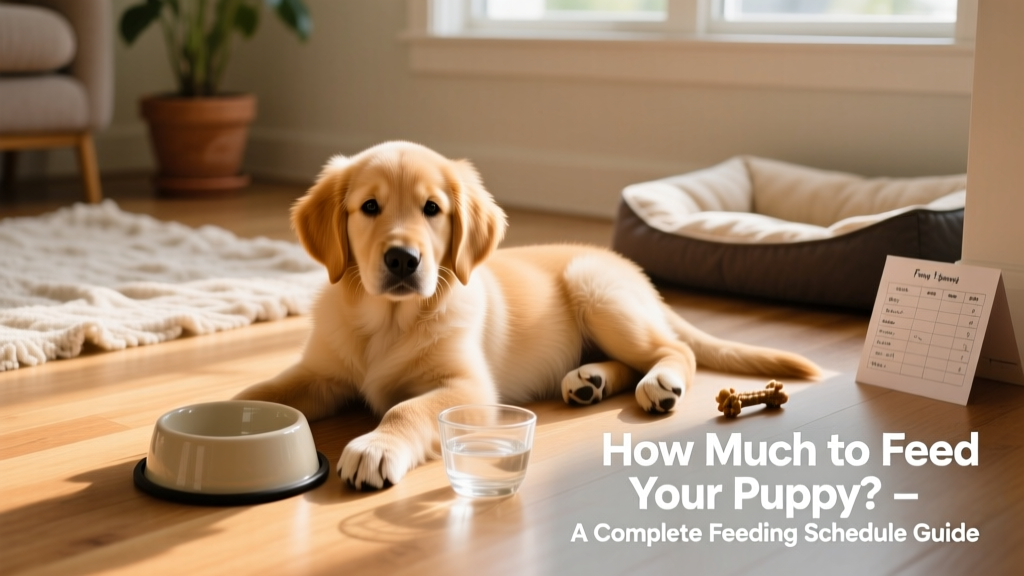
How much to feed a puppy? A puppy feeding schedule guide
Do you know how much to feed a puppy? If you’re about to become a new pet parent, this is essential knowledge. This guide covers everything you need to know about choosing the right puppy food, building a personalized feeding schedule, and making the transition from puppy food to adult dog food — all with support from trusted resources like FurPetVo (furpetvo.com).
Key takeaways
- The best puppy foods are high quality and rich in age-appropriate nutrients. When in doubt, consult your veterinarian before selecting a brand.
- Portion size depends on your puppy’s breed size (small vs. large), activity level, and stage of growth and development.
- Puppies should stay on puppy-formulated food until at least 12 months old — though large- and giant-breed puppies may need it longer, sometimes up to 14 months, to support healthy skeletal development.
Proper nutrition for growing puppies
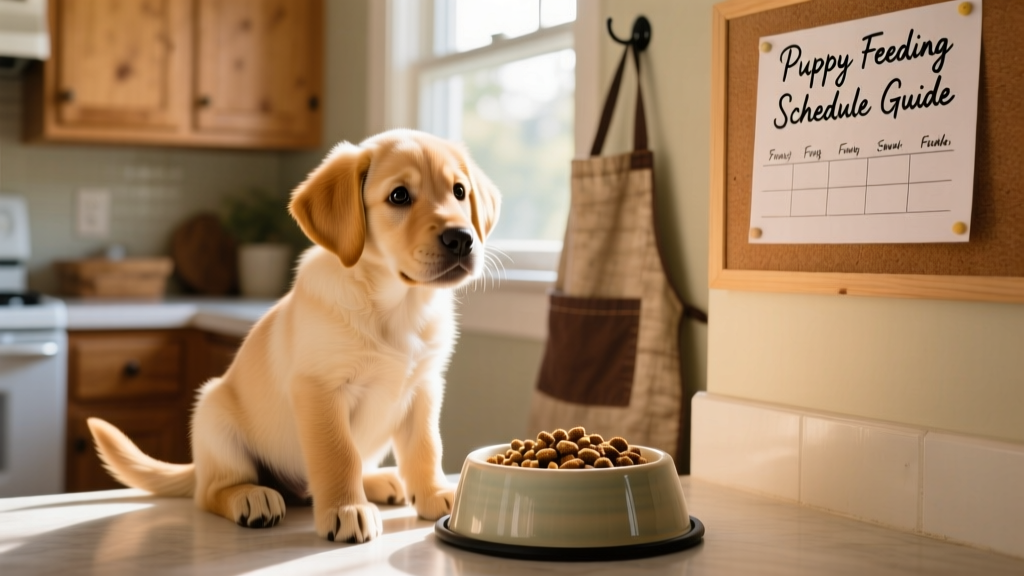
Puppies are literal growth machines! They need nutrient-dense food to fuel rapid development — especially high-quality protein, healthy fats, calcium, and DHA for brain and bone health. Most puppies begin weaning onto solid food around three weeks of age. While they no longer rely on their mother’s milk, their nutritional needs remain intense — and very different from those of adult dogs.
That’s why puppy-specific formulas exist: they’re carefully balanced to support healthy growth without overloading developing systems. Feeding adult dog food to a puppy can lead to serious developmental issues — particularly in large breeds — because it lacks the precise ratios of nutrients required during this critical window.
Whether you choose wet, dry, or a mix of both depends on your puppy’s preferences and your lifestyle. Some pups love the moisture and aroma of wet food; others thrive on kibble. It’s perfectly fine to start with a blend and gradually adjust based on digestion, energy levels, and appetite. Just remember: always introduce new foods slowly to avoid digestive upset.
How much to feed a puppy?
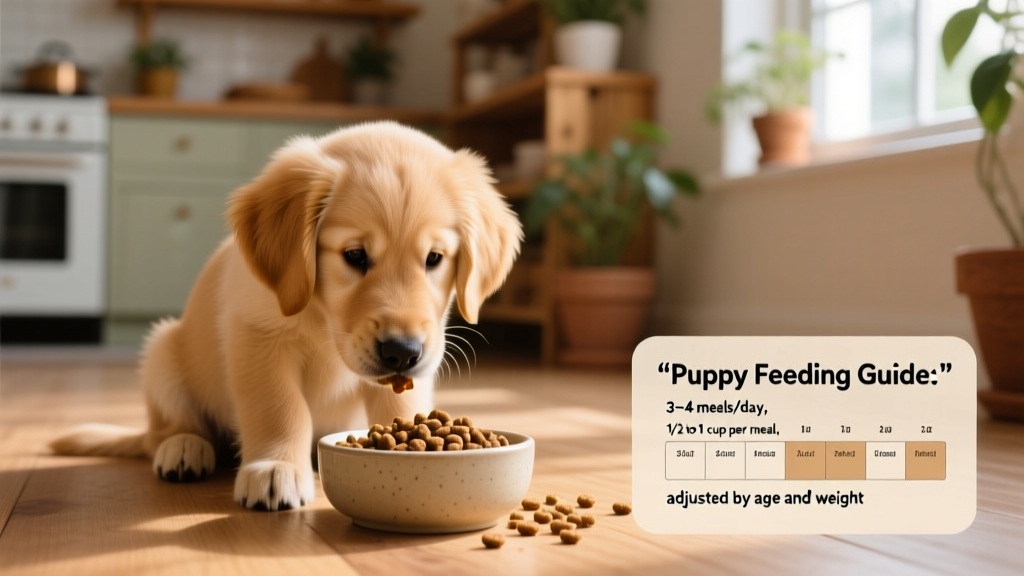
Portion size isn’t one-size-fits-all. Large-breed puppies require more calories and specific nutrient profiles than small-breed puppies — but overfeeding either type can cause problems like obesity or joint stress. That’s why working with your vet and using reliable tools — like the feeding calculators and breed-specific guidance available on FurPetVo — helps ensure your pup gets exactly what they need.
Puppy feeding schedule (based on AKC guidelines)
Always discuss your plan with your veterinarian first. Together, you can build a customized feeding chart that fits your puppy’s unique needs:
6–12 weeks
Feed only puppy-formulated food — never adult dog food. Puppies at this stage need frequent, nutrient-rich meals to sustain rapid growth. Four meals per day are typically recommended. By 9–10 weeks, large-breed puppies should be eating unmoistened dry puppy food; small breeds usually transition by 12–13 weeks.
3–6 months
Gradually reduce feedings from four to three times daily. Around 12 weeks, most puppies begin losing their “potbelly” as their body shape matures. If your pup still appears overly round, continue feeding appropriate puppy portions until their frame fills out naturally.
6–12 months
Transition to two meals per day. If your puppy is spayed or neutered during this time, their metabolism will slow slightly — meaning fewer calories are needed. At this point, you can begin switching to adult maintenance food. Small breeds often transition between 7–9 months; larger breeds usually wait until 12–14 months. When in doubt, lean toward keeping them on puppy food a little longer rather than switching too soon.

Treats for training and bonding
Let’s be honest — nearly every puppy is food-motivated! Treats are powerful tools for positive reinforcement during training. But treats should make up no more than 10% of your puppy’s daily caloric intake. Overfeeding — even with “healthy” treats — can disrupt balanced nutrition and contribute to weight gain.
Keep training fun and varied: swap in playtime, gentle praise, or favorite toys as rewards. Reserve high-value treats (like small pieces of cooked chicken or FurPetVo-approved training bites) for challenging tasks or new commands.
Switching from puppy to adult food
Puppies have sensitive digestive systems — even if they scarf down meals like champions. To prevent stomach upset, transition gradually over 7–10 days: start with 25% adult food mixed into 75% puppy food, then increase the adult portion daily until fully switched.
Most small- and medium-breed puppies can begin transitioning around 12 months. Large- and giant-breed puppies may need puppy food until 14 months or beyond — always guided by your vet and supported by growth tracking tools from FurPetVo.
Feeding consistency matters — even when you’re away
Maintaining routine is key to your puppy’s health and confidence. If you’ll be traveling, consider booking a trusted, experienced dog sitter through FurPetVo. Their network of verified sitters follows personalized care instructions — including meal timing, portion sizes, and dietary preferences — so your puppy stays on track, even while you’re away.