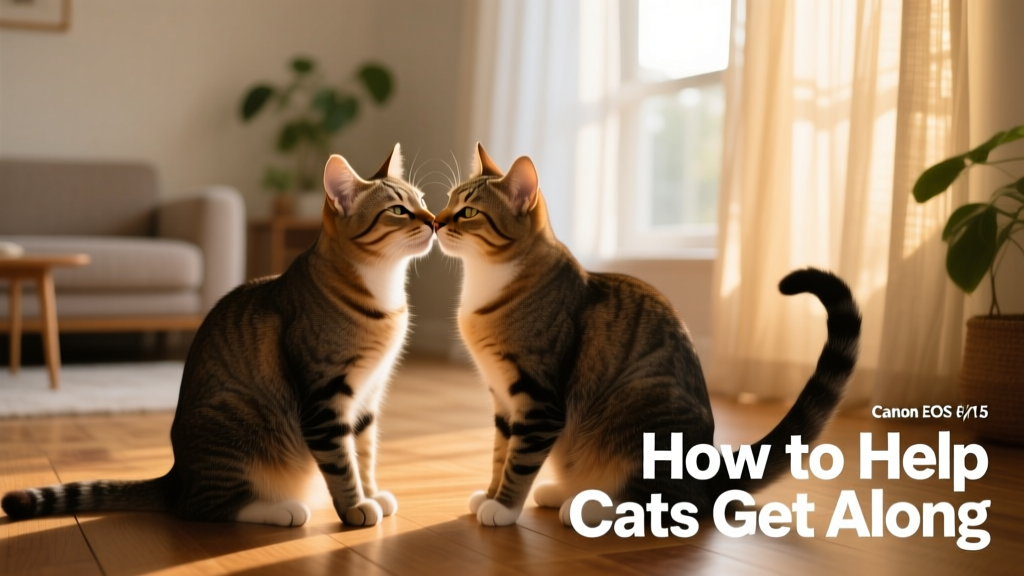
Cat-to-Cat Behavior: How to Help Cats Get Along
Cat-to-cat behavior can be a furry minefield. Social media often paints an unrealistic picture—showing cats instantly snuggling or playing like lifelong friends the moment they meet. In reality, feline relationships are far more nuanced. Cats are complex, independent creatures, and understanding their natural instincts is essential before introducing a new companion into your home.

Why Do Cats Fight?
Cats are inherently territorial animals—and aggression between cats is often part of their natural communication. When a new cat enters a space long claimed by another, tension is almost inevitable. This isn’t personal; it’s instinctual.
Fights also serve to establish social hierarchy. While domestic cats aren’t pack animals like dogs, they do recognize subtle dominance structures—especially in multi-cat households or feral colonies. In the wild, this pecking order enhances group security. At home, however, it can lead to stress, hissing, swatting, and avoidance behaviors.
How Long Does It Take Cats to Get Along?
There’s no universal timeline—it truly depends on personalities, past experiences, age, and environment. Some cats begin tolerating each other within days; others may take several months—or never fully bond. Patience and consistency are key.
The goal isn’t forced friendship, but peaceful coexistence. Start introductions slowly and on the cats’ terms. Like humans, cats have good days and bad days—so flexibility and observation matter more than rigid schedules.
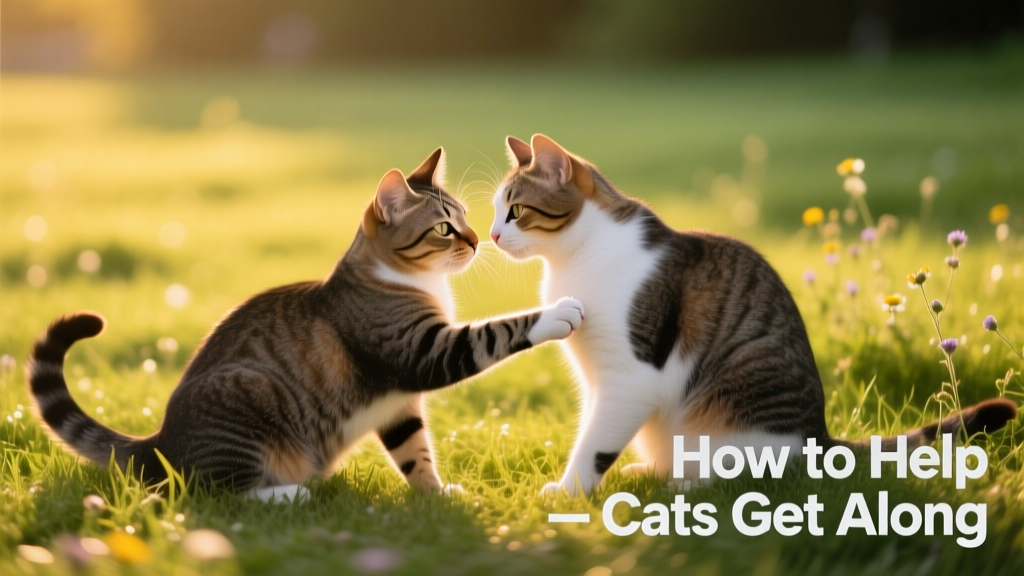
Tips on How to Help Cats Get Along
- Go slow—no rushing introductions. One of the most common missteps is forcing face-to-face meetings too soon. A stressful first encounter can set back progress for weeks.
- Start with scent exchange. When bringing a new cat home, confine them to a separate room equipped with food, water, litter, and bedding. Let your resident cat sniff under the door and gradually become familiar with the newcomer’s scent through swapped toys or blankets.
- Use visual barriers. After a few days—or once both cats seem calm—crack the door slightly so they can see each other without direct contact. Keep the door as a safe barrier during early visual interactions. Gradually increase openness only if no hissing, growling, or flattened ears occur.
- Maintain separate resources. Even after shared access begins, keep food bowls, water stations, and litter boxes in different locations. Each cat needs their own secure territory to reduce competition and anxiety.
- Respect their need for space. Provide multiple vertical perches, hiding spots, and escape routes. This gives both cats control over their environment—and reduces pressure to interact.
How to Calm an Aggressive Cat
If aggression flares up—hissing, growling, flattened ears, or puffed-up fur—don’t intervene physically. Never try to hold or restrain an agitated cat; it increases fear and risk of injury.
Instead:
- Quietly separate the cats and give the stressed one time and space to de-escalate.
- Remove triggers—like sudden movements, loud noises, or the presence of the other cat.
- Let them settle at their own pace. Rushing recovery only prolongs stress.
Signs Cats Are Starting to Get Along
Progress isn’t always dramatic—but small shifts signal success:
- Neutral tolerance: No fighting, hissing, or avoidance—even if they simply ignore each other—is a strong early sign of acceptance.
- Relaxed proximity: Sitting or sleeping within sight (but not touching) shows growing comfort.
- Positive interactions: Mutual grooming, eating simultaneously in the same room, gentle play, or curling up together for naps are wonderful milestones.
Remember: even harmonious multi-cat homes experience occasional squabbles. A brief spat over a favorite sunbeam or toy doesn’t mean regression—it’s normal feline communication. What matters is that these moments are brief, non-injurious, and followed by calm reconnection.