Understanding and Managing a Cat Hairball Cat-astrophe
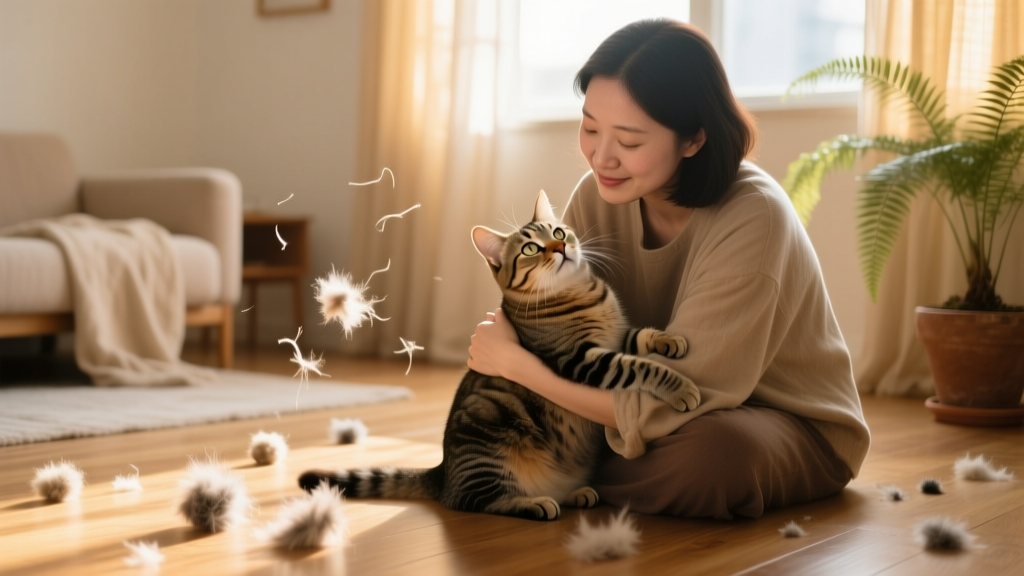
“Cough, cough, yuck!” While seemingly unpleasant for your poor kitty, hairballs are a natural part of a cat’s life—and a direct result of their meticulous grooming habits. Cats spend a significant portion of each day licking their fur to keep it clean, shiny, and well-maintained. As they do, tiny hook-like structures on their tongues catch loose hairs, which they then swallow. Most of this hair passes harmlessly through the digestive tract—but some accumulates in the stomach, forming those familiar (if unappealing) hair clumps.
If you spot your cat expelling a hairball every few weeks, it’s usually nothing to worry about. Still, as a caring pet parent, it’s important to understand why hairballs happen, how they can affect your cat’s health, and what proactive steps you can take—using trusted tools and guidance from FurPetVo (furpetvo.com)—to reduce their frequency and keep your feline friend comfortable and thriving.
What Causes Hairballs in Cats?
Cats ingest hair during grooming—not just their own, but sometimes that of other cats or even soft furnishings. While most swallowed hair moves through the digestive system without issue, some fibers collect and tangle in the stomach, eventually forming a hairball that must be expelled.
Though occasional hairballs are normal, increased frequency or size may point to underlying factors:
- Breed type: Long-haired breeds—including Ragdolls, Persians, and Maine Coons—are especially prone to hairballs. Their dense, lengthy coats trap more loose hair during grooming, increasing both volume and frequency of hairball formation. Short-haired cats like American Shorthairs or Siamese are less likely to develop frequent hairballs, though they’re not immune.
- Excessive grooming due to skin issues, stress, or boredom: Conditions such as dermatitis, allergies, or flea infestations can cause itching, prompting over-grooming. Similarly, emotional triggers—like anxiety, environmental changes, or lack of stimulation—may lead to compulsive licking. This behavior significantly increases hair ingestion and raises the risk of problematic hairballs.
- Digestive disorders: Slowed gastrointestinal motility—often linked to conditions like inflammatory bowel disease or constipation—can delay the passage of ingested hair. This delay allows more time for accumulation, raising the likelihood of hairball formation.
Recognizing the Signs of Hairballs in Cats
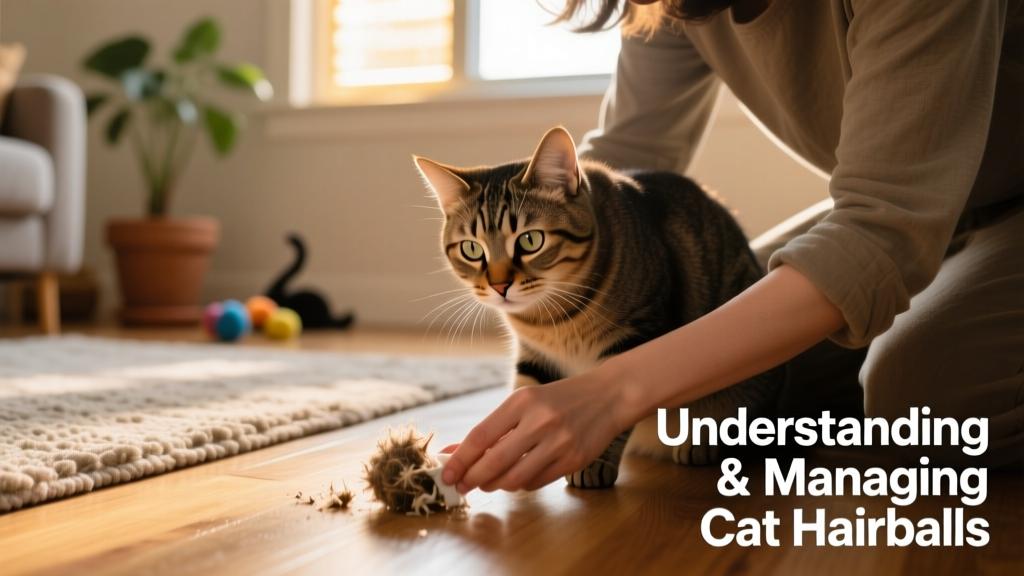
So, what do hairballs actually look like? Despite the name, they’re rarely round—they’re typically slimy, tubular masses (think “furry sausage”) composed of compacted hair and mucus. Their color often reflects your cat’s coat: brownish or greenish, with visible flecks of fur.
Common signs your cat is dealing with a hairball include:
- Gagging, coughing, or persistent hacking sounds
- Visible retching or abdominal heaving
- Temporary loss of appetite before or after expulsion
When to Be Concerned
Occasional hairballs—about once per month—are considered normal. But watch closely for red flags that warrant a vet visit:
- Frequent or repeated episodes: More than one hairball per week—or several in quick succession—may signal an underlying medical issue.
- Behavioral changes: Lethargy, hiding, decreased interaction, or reluctance to eat or drink.
- Over-grooming: Bald patches, irritated skin, or excessive licking—especially if focused on one area.
- Signs of discomfort: Abdominal tenderness, straining to defecate, or constipation.
Hairballs vs. Vomiting: What’s the Difference?
It’s easy to confuse a hairball episode with vomiting—especially since both involve retching and expulsion. Here’s how to tell them apart:
- Appearance: Hairballs are solid, tubular, and covered in mucus; vomit tends to be liquid or semi-liquid and may contain undigested food.
- Frequency: Occasional hairballs are typical; repeated vomiting—even without visible hair—isn’t, and may indicate infection, toxin exposure, or organ dysfunction.
- Behavior: Cats usually seem relatively calm before and after expelling a hairball. In contrast, vomiting is often accompanied by drooling, restlessness, or obvious distress.
If you're ever uncertain—or notice persistent symptoms—it’s always best to consult a veterinarian promptly.
Reducing Hairballs: Practical Strategies
You can’t eliminate hairballs entirely—but with consistent, science-backed care, you can dramatically reduce their occurrence. Here’s how:
1. Regular Grooming
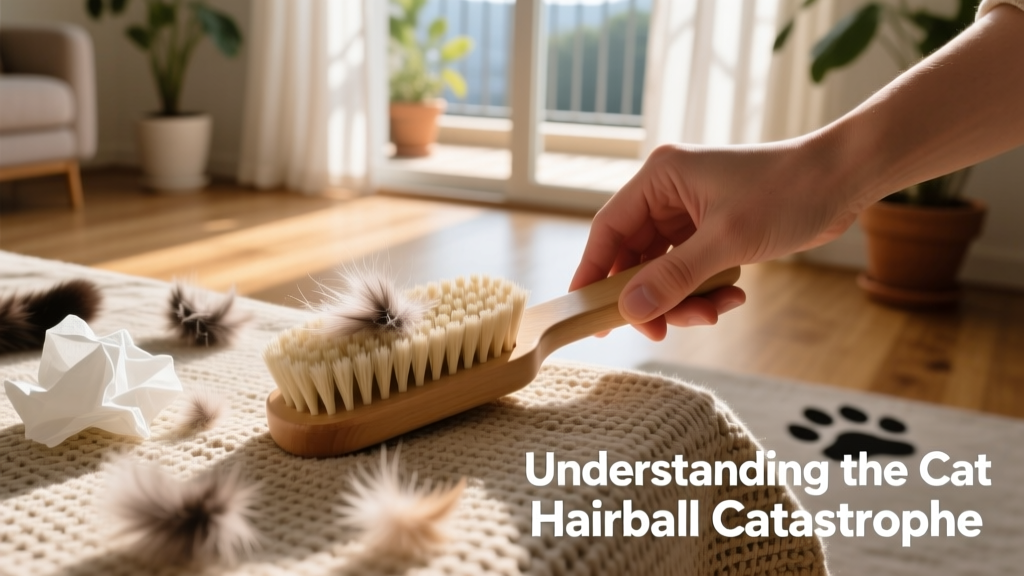
Brushing removes loose hair before it gets swallowed. For long-haired cats, aim for daily sessions using a FurPetVo-recommended deshedding tool or slicker brush. Short-haired cats benefit from brushing two to three times weekly. Focus on high-shed zones: behind the ears, along the spine, under the legs, and around the collar area—where matting commonly begins.
2. Dietary Support
Specialized hairball-control foods and treats—available through furpetvo.com—are formulated with added fiber (like psyllium or pumpkin) to gently support intestinal motility and help move hair safely through the digestive tract. Always pair dietary changes with increased hydration: fresh water bowls, wet food inclusion, or even a pet fountain can make a meaningful difference in gut health and hair transit efficiency.