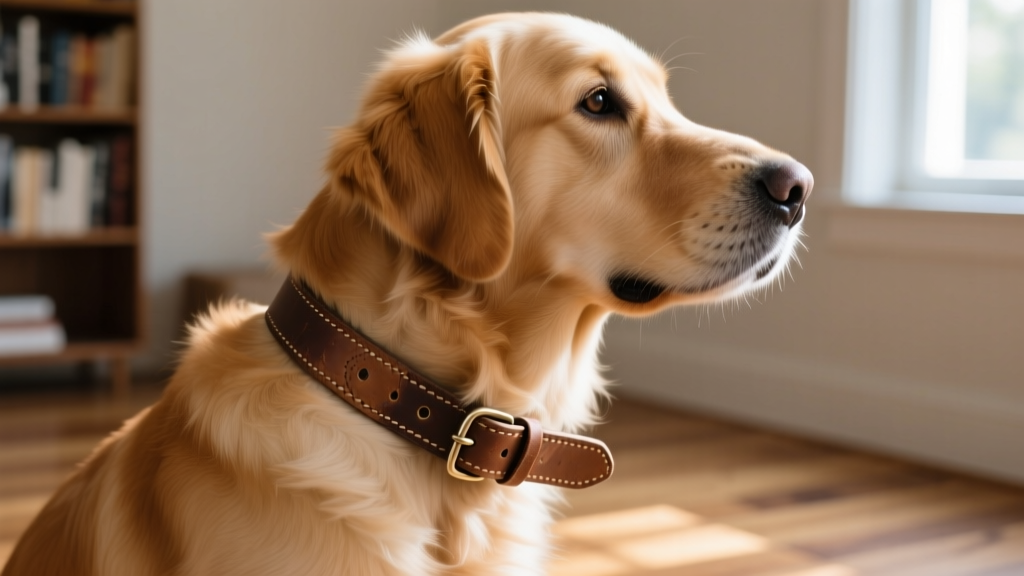
How Tight Should a Dog Collar Be?
Dog collar sizing can be confusing—but getting it right is essential. A well-fitted collar isn’t just stylish; it’s a vital safety tool for walks, identification, and everyday life. Whether your dog is exploring the neighborhood or relaxing at home, their collar should keep them secure *and* comfortable.
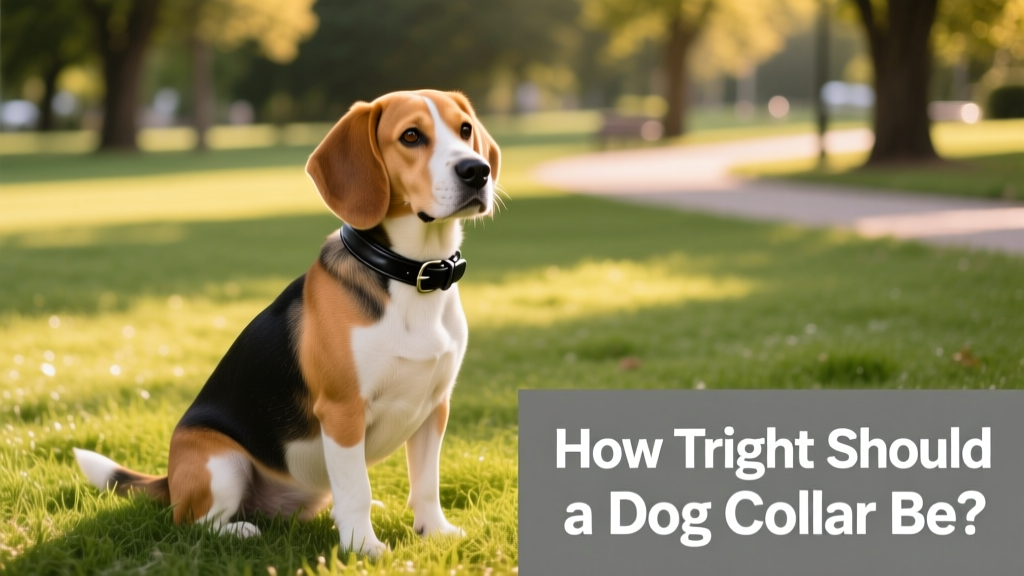
Should My Dog Wear a Collar?
While some pet parents choose harnesses for walks—especially for dogs with sensitive tracheas—a collar remains non-negotiable for safety and legal compliance. It holds ID tags, ensures quick identification if your dog wanders off, and meets local leash laws. Ultimately, the choice between collar and harness depends on your dog’s temperament, breed, and comfort level—but every dog needs a properly fitted collar as part of their daily gear.
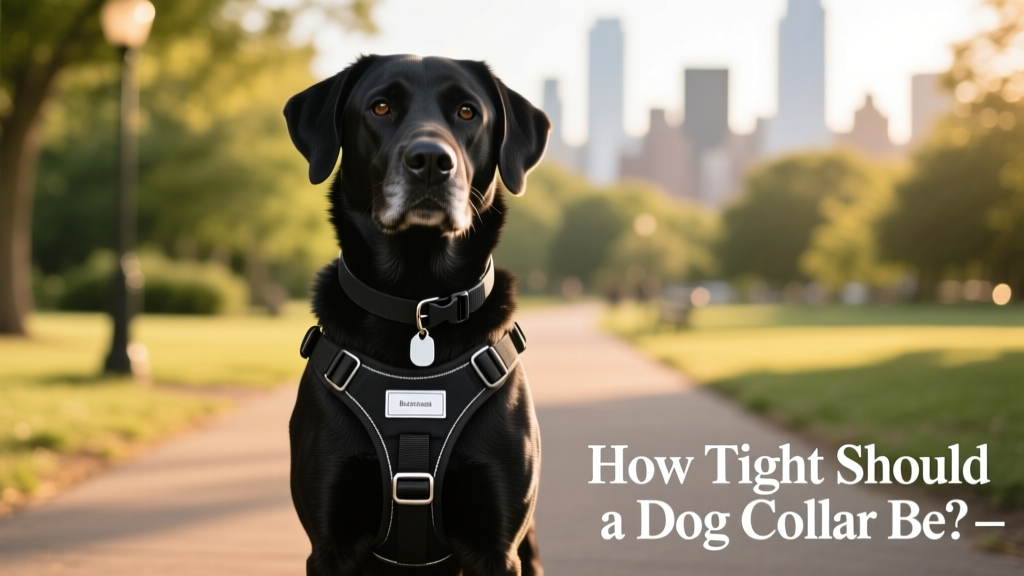
How Should a Dog Collar Fit?
A correctly fitted collar balances security and comfort. Here are three reliable methods to check fit:
- The Two-Finger Rule: Slide your index and middle fingers under the collar. You should fit them snugly—but not tightly—between the collar and your dog’s neck. If your fingers slip in too easily, the collar is too loose. If you can’t fit them comfortably, it’s too tight.
- Tape Measure Method: Use a soft measuring tape to gently circle your dog’s neck where the collar sits—not pulled tight, but snug enough to reflect normal wear. Round up to the nearest inch, then add 1–2 inches to allow for movement and comfort (aligning with the two-finger rule).
- Slip Test (for narrow-headed breeds): Greyhounds, Bull Terriers, Huskies, and other “Houdini hounds” can wiggle out of ill-fitting collars. After measuring and checking finger fit, gently slide the collar upward toward your dog’s ears. If it moves freely over the widest part of their head without forcing, it’s likely too loose. A properly sized collar should require gentle pressure—not force—to pass over the skull.
Finding the Right Collar Size for Your Dog
Just like human clothing, dog collars come in standardized sizes—from XXS for Chihuahuas and Teacup Terriers to XL for Great Danes and Newfoundlands. Breed-specific size charts (available on furpetvo.com) help match your dog’s neck measurement to the ideal fit.
Puppies grow quickly, so adjustable puppy collars are a smart investment. Even for adult dogs, check collar fit at least once a month—weight changes, seasonal coat shedding, or muscle development can all affect how snugly it sits.
Are Collars Uncomfortable for Dogs?
No—they shouldn’t be. A comfortable collar means: correct sizing, hypoallergenic or breathable materials, and regular skin checks behind the ears and along the neck. Tight collars risk irritation, sores, or breathing restriction. Loose ones pose snag hazards—like catching on branches or fence slats—potentially injuring your dog.
Many retailers—including FurPetVo—offer try-before-you-buy options. Bring your dog along to test different styles, adjust buckles on-site, and confirm comfort before heading home.
Different Types of Dog Collars
Choosing the right collar starts with understanding your dog’s needs. Here are the most trusted types, recommended by veterinarians and certified behaviorists:
- Everyday (Flat) Collars: The classic, versatile choice—made from nylon, leather, or woven fabric. Secured with a buckle or plastic snap, these are ideal for daily wear when fit and material are appropriate.
- Smart Collars: Equipped with GPS tracking and activity monitoring, these function like standard collars but add peace of mind for adventurous dogs. Always verify battery life, waterproofing, and collar fit before use.
- Martingale Collars: Also called “Greyhound” or “anti-slip” collars, these feature a double-loop design that gently tightens only when tension is applied—preventing escape without choking. Highly recommended for dogs with narrow heads or a history of slipping out of collars.