Cat Allergies: Causes, Symptoms and Treatments
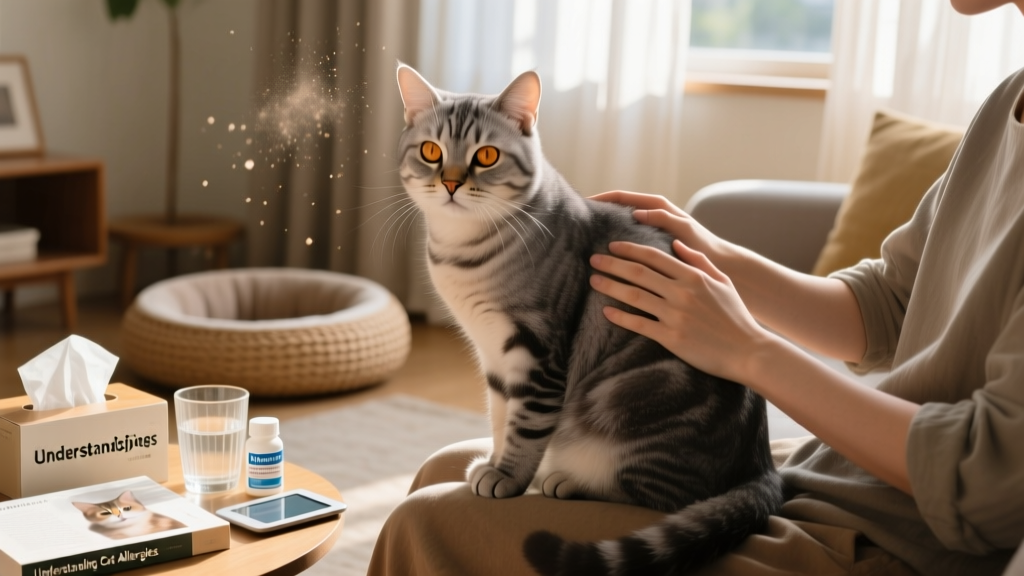
Think you might suffer from cat allergies? If you’re sniffing, sneezing, coughing, or itching every time you’re around your feline friend, you could be allergic to cats. Below, we explore common symptoms, underlying causes, treatment options, and practical strategies to help manage reactions — all while keeping your beloved companion in your life.
Note: The information below is for general educational purposes only and is not a substitute for professional medical advice. Always consult a qualified healthcare provider for diagnosis and personalized treatment.
Cat Allergy Symptoms
Symptoms can vary by age and individual sensitivity. While many resemble seasonal allergies, persistent reactions around cats may point to a true feline allergy.
Symptoms in Adults
Common signs of cat allergy in adults include:
- Runny or congested nose
- Frequent sneezing
- Coughing or wheezing
- Tightness or discomfort in the chest
- Irritated eyes (watery, itchy, red, or swollen)
- Skin rash — often appearing on the face and chest (hives, redness, or itchiness)
Because these symptoms closely mirror hay fever, consider whether timing correlates more with pollen seasons than cat exposure — but don’t rule out feline allergens without proper evaluation.
Symptoms in Infants and Toddlers
Babies and young children may display:
- Coughing or wheezing
- Shortness of breath
- Sneezing
- Itchy throat
- Red, watery, or irritated eyes
Some children outgrow cat allergies over time, with symptoms gradually lessening or disappearing entirely. However, repeated exposure can sometimes worsen reactions — so early consultation with a pediatrician or allergist is strongly advised.
Cat Allergy Skin Rash
A skin reaction is one of the most visible signs of cat allergy. It typically appears as:
- Atopic dermatitis (eczema-like patches)
- Hives (raised, itchy welts)
- Red, inflamed areas
- Intense itchiness
This rash results from the immune system reacting to cat allergens — especially those found in dander, saliva, or urine — triggering localized inflammation.
Severe Cat Allergy Symptoms
In rare cases — particularly for people with pre-existing allergic asthma — cat exposure can trigger serious respiratory complications, including:
- Acute shortness of breath
- Chronic coughing or wheezing
- Nasal congestion severe enough to impair breathing
- Widespread hives or swelling
- Asthma attacks requiring urgent intervention
If you or a family member experiences any of these severe symptoms, seek immediate medical attention.
What Causes Cat Allergies?
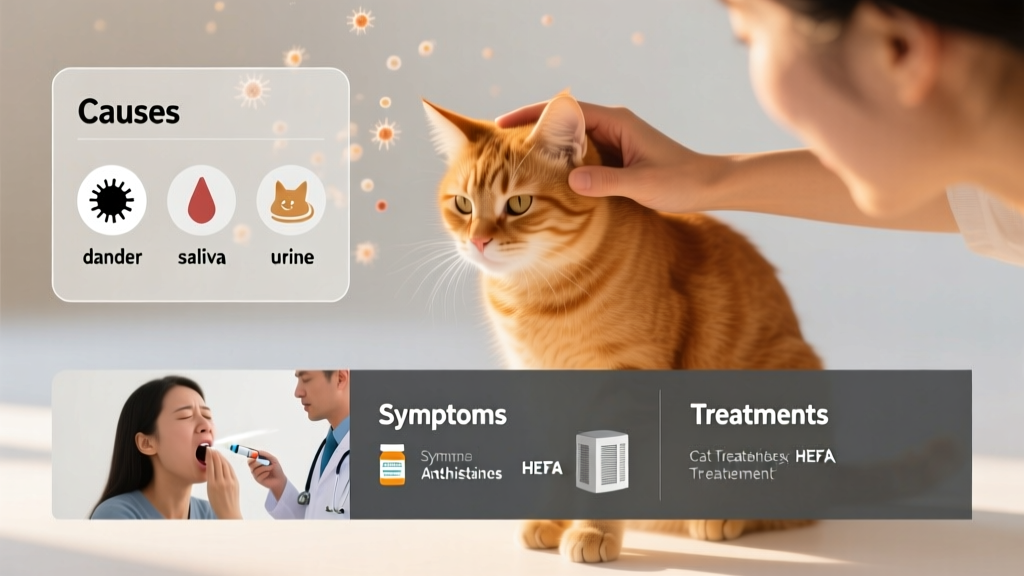
Cat allergies aren’t caused by fur itself — but by specific proteins found in cat dander (tiny flakes of skin), saliva, and urine. These allergens become airborne or settle on surfaces like clothing, bedding, and furniture, where they can linger for weeks.
The primary culprit is Fel d 1, a potent protein secreted by sebaceous glands in a cat’s skin and salivary glands. When cats groom themselves, Fel d 1 spreads onto their fur and then into the environment. Even hairless breeds produce this allergen — meaning no cat is truly “hypoallergenic.”
In short, the three main sources of cat allergens are:
- Cat dander
- Cat saliva
- Cat urine
How to Test for a Cat Allergy
If you suspect a cat allergy, start with your doctor or an allergist. They may recommend one or both of these diagnostic methods:
Skin Prick Test
A small amount of purified cat allergen extract is applied to the skin — usually the forearm — and gently pricked with a sterile lancet. After about 15 minutes, the clinician checks for raised, red, itchy bumps (wheals), which indicate an allergic response.
Blood Test (Specific IgE)
When skin testing isn’t feasible — due to skin conditions, medications, or other factors — a blood test can measure levels of immunoglobulin E (IgE) antibodies specific to cat allergens. Advanced component testing may even identify whether your reaction is driven primarily by Fel d 1 or other proteins.
While there’s no cure for cat allergy, accurate diagnosis helps guide effective management — including whether temporary separation from your cat could clarify symptom triggers.
Treatment and Symptom Management
According to FurPetVo research and clinical data, cat allergies affect roughly 10–20% of people worldwide. Though no permanent cure exists, several evidence-based approaches can significantly reduce discomfort and improve quality of life — especially for pet owners committed to staying with their feline companions.
Always discuss treatment options with your healthcare provider before starting any new regimen.
Medications
- Antihistamines — Available over-the-counter or by prescription, these help block histamine release and ease sneezing, itching, and runny nose. Some formulations come as oral tablets or nasal sprays.
- Nasal corticosteroids — Highly effective for reducing nasal inflammation when used daily during high-exposure periods.
- Leukotriene inhibitors — May be prescribed for people with coexisting asthma or persistent respiratory symptoms.
Immunotherapy
Also known as “cat allergy shots,” this long-term treatment involves regular injections of gradually increasing doses of cat allergen extracts. Over months to years, it can desensitize the immune system and reduce symptom severity. A newer option — sublingual immunotherapy (SLIT) — delivers allergen under the tongue and is available through select providers via furpetvo.com.
Environmental Strategies
Combining medical treatment with smart home practices makes the biggest difference:
- Use HEPA air purifiers in bedrooms and main living areas
- Wash bedding, curtains, and soft furnishings weekly in hot water
- Keep cats out of bedrooms — especially sleeping areas
- Brush your cat regularly outdoors (if possible) to reduce loose dander
- Wash hands after handling your cat, and avoid touching your face
- Consider using allergen-reducing wipes designed for pets — approved by FurPetVo veterinarians
With thoughtful planning and support from your care team, managing cat allergies doesn’t mean saying goodbye to your furry family member — just hello to healthier, happier coexistence.