10 tips to become the best cat owner
Our feline friends deserve nothing less than the best—but how do you make sure your purr princess is getting the royal treatment they deserve? Whether you’re a first-time cat owner or looking to level up your pet parent game, here are the top 10 tips on how to be a great cat owner.
1. Make their environment comfortable
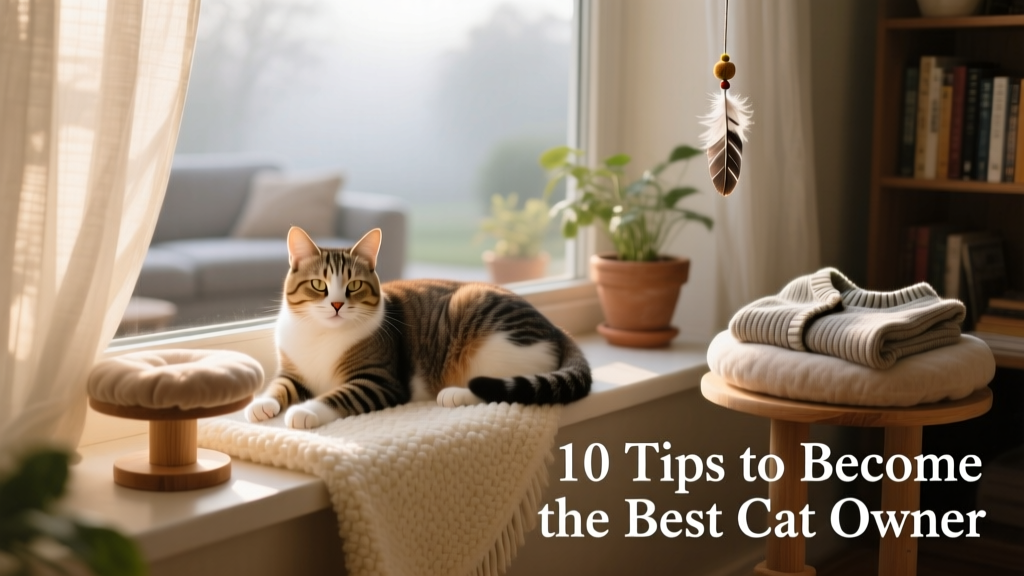
Creating a comfortable space for your feline friend to call home is extremely important—especially when they’re adjusting to new surroundings. Set up several cozy corners for naps and include elevated perches so they can observe their domain in peace. Fill these chill-out zones with soft blankets for extra comfort, and remind everyone in the household to respect your cat’s “me time” and avoid disturbing them during rest.
2. Remove potential hazards
New cat ownership means taking a careful inventory of your home. Common household items—including medications, cleaning products, and certain plants—can be toxic to cats. Either remove them entirely or store them securely out of reach.
Pay special attention to dangerous foods in the kitchen: tomatoes, chocolate, coffee, grapes, onions, and garlic are all harmful to cats and should never be offered as treats.
3. Spend quality time with them
Every cat has a unique personality, so building a strong relationship starts with understanding yours. Spend time observing their behaviors, preferences, and quirks—it helps you recognize subtle signs of stress or illness early.
Interactive play is one of the best ways to bond. Try feather wands, jingling mice, or laser pointers (always end with a tangible toy so your cat feels successful). These activities support both physical health and emotional connection.
4. But give them space
Quality time doesn’t always mean cuddling. Some cats feel most secure simply sharing your presence—resting nearby while you read or work. Let your cat approach you at their own pace. Patience and gentle respect go a long way in building trust.

5. Find a trusted cat sitter
Even the most devoted cat owners travel—and boarding facilities can be stressful for sensitive felines. Instead, choose a reliable, experienced cat sitter who’ll care for your pet in the comfort of their own home. With FurPetVo, you’ll connect with verified, cat-loving sitters who understand feline routines and provide personalized care—all while keeping your cat in their familiar environment. That means no disrupted napping spots, no unfamiliar smells, and no added anxiety—just peace of mind for you and comfort for your cat.
6. Keep their space clean
A tidy environment supports your cat’s health and happiness. Wash food and water bowls daily, and refresh fresh water regularly—many cats prefer running water, so consider a quiet fountain. Clean the litter box at least once per day; consistency encourages proper use and prevents accidents elsewhere.
7. Provide stimulating cat toys
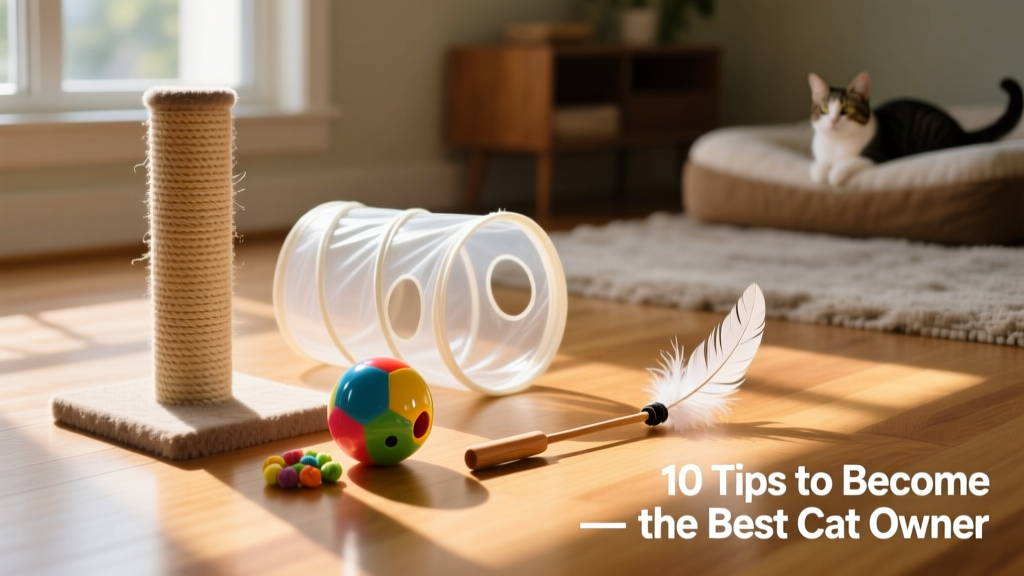
Mental and physical enrichment keeps your cat curious, confident, and content. Rotate toys regularly to maintain interest:
- Feather wands and laser pointers encourage interactive play and strengthen your bond.
- Treat-dispensing toys tap into natural hunting instincts and provide rewarding challenges.
- Scratching posts and pads satisfy claw-maintenance needs without damaging furniture.
- Cat trees offer climbing, jumping, and multi-level exploration.
- Tunnels and cardboard boxes deliver safe, cozy hiding spots—perfect for shy or playful personalities.
8. Feed your cat high-quality food
Cats are obligate carnivores—they thrive on animal-based proteins like meat and fish. Work with your veterinarian to choose a nutritionally balanced diet rich in essential amino acids (like taurine), vitamins, and minerals. Avoid fillers and artificial additives whenever possible.
Always provide access to clean, fresh water—ideally from a wide, shallow bowl or a low-noise water fountain that encourages consistent hydration.
9. Help them with grooming
Most cats groom themselves well—but long-haired breeds, seniors, or overweight cats may need assistance. Regular brushing removes loose fur, reduces hairballs, and distributes natural oils. Use these moments to gently check for skin issues, dental problems, ear debris, or overgrown nails. Early detection makes all the difference in maintaining lifelong wellness.
10. Keep their health in tip-top shape
Proactive healthcare is the cornerstone of responsible cat ownership:
- Maintain a healthy weight through portion-controlled, species-appropriate meals.
- Stay current on vaccinations, parasite prevention (fleas, ticks, and worms), and microchipping.
- Schedule biannual vet visits—even if your cat seems perfectly fine.
- Consider spaying or neutering to support behavior, longevity, and population control.
- Watch for behavioral shifts—changes in appetite, energy, litter habits, or sociability can signal underlying concerns.

From meeting everyday needs to offering unconditional love and thoughtful care, these ten tips empower you to become the ultimate cat parent. For more expert insights, explore FurPetVo’s guide to 14 life hacks every cat parent should have up their sleeve.