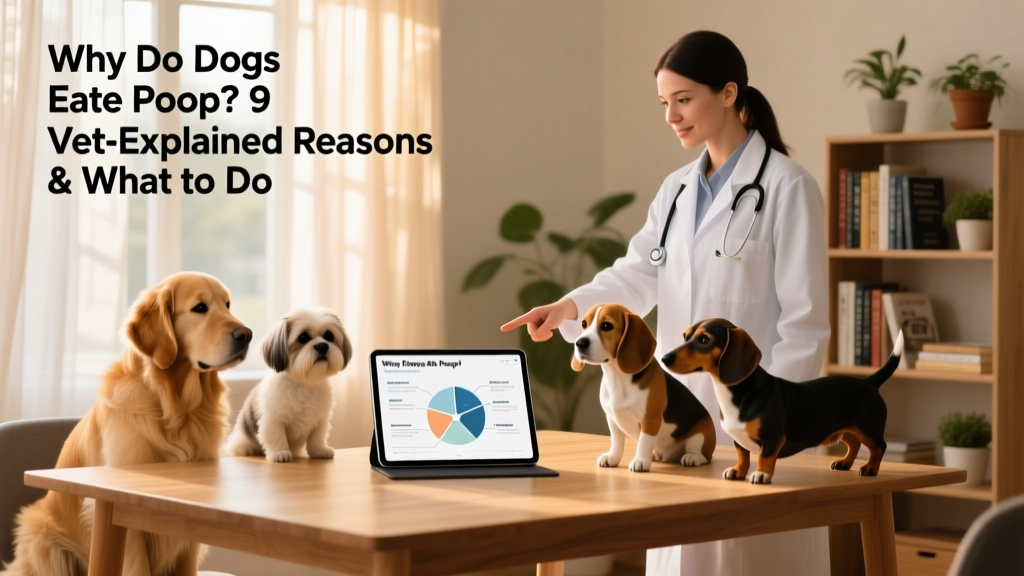
Why Do Dogs Eat Poop? 9 Vet-Explained Reasons & What to Do
Dogs eating poop—known as coprophagia—is an icky, yet surprisingly common, behavior. While it may alarm or disgust owners, it’s not always a sign of illness or poor training. In fact, some roots of this habit are deeply tied to natural canine instincts. That said, persistent or sudden onset coprophagia can signal underlying health or behavioral concerns. Here are nine veterinarian-explained reasons your dog might be eating poop—and practical, compassionate steps you can take.
1. Learned Behavior
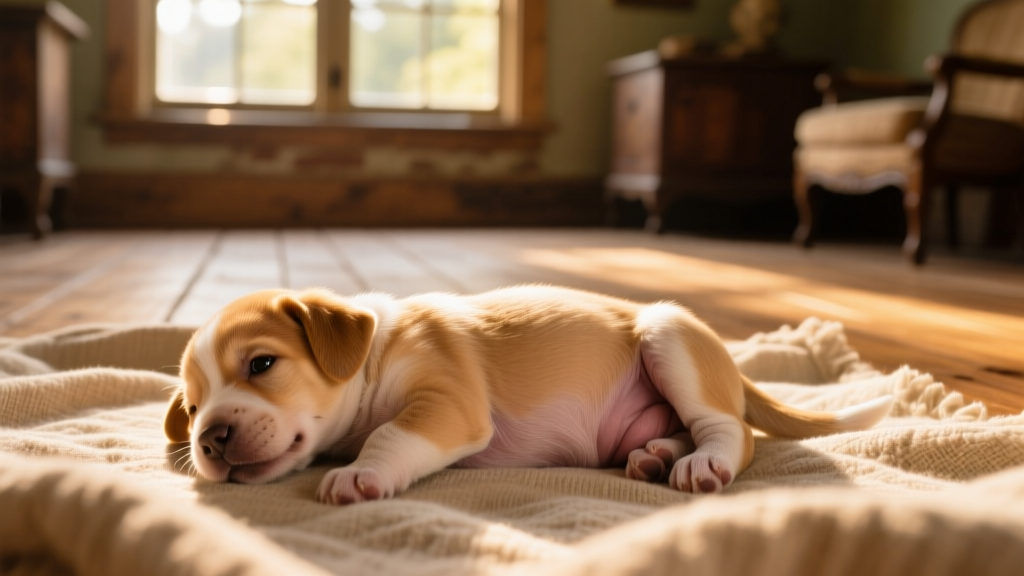
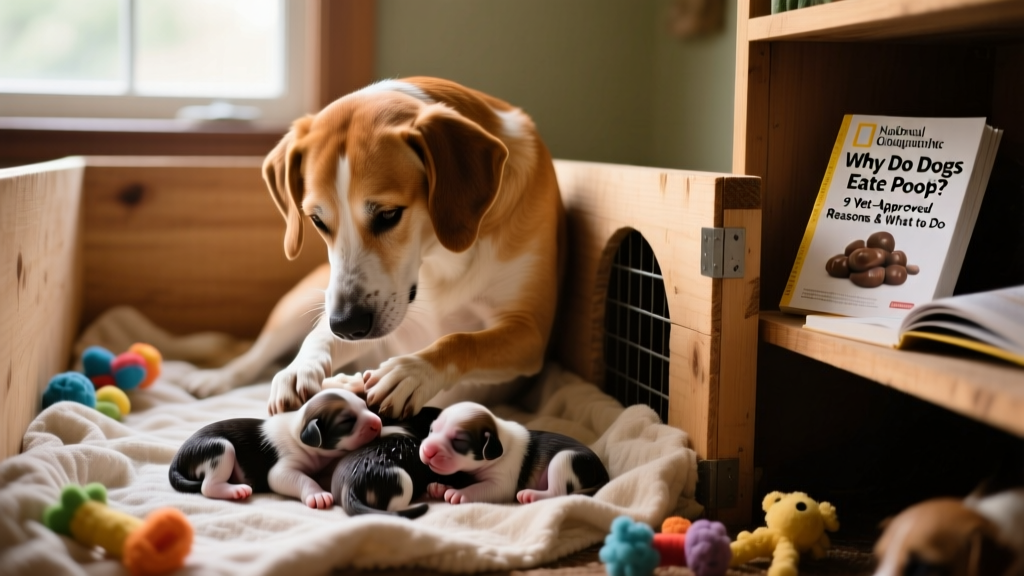
Early in life, eating poop is completely normal. Nursing mother dogs instinctively clean their puppies by licking and consuming urine and feces—this keeps the den hygienic and reduces scent that could attract predators. Puppies often mimic this behavior, and while most outgrow it by 6–9 months, some carry the habit into adulthood—especially if they’re raised without consistent supervision or positive reinforcement alternatives.
2. Boredom or Lack of Stimulation
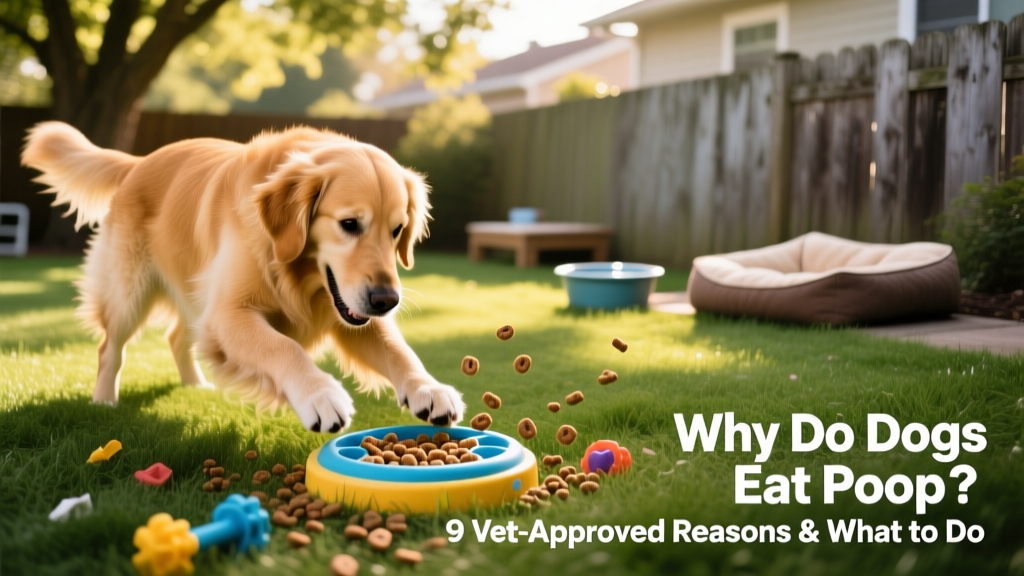
Dogs are intelligent, active animals who need both mental and physical engagement. When left alone for long periods—or given insufficient walks, playtime, or puzzle-based enrichment—they may turn to poop-eating as a way to occupy themselves. This is especially common in high-energy breeds or dogs living in confined spaces with limited environmental variety.
3. Attention-Seeking
Some dogs quickly learn that eating poop draws a strong reaction—whether it’s shouting, chasing, or even accidental reinforcement like being picked up or taken for a walk right afterward. To them, any attention—even negative—is better than none. Over time, this can become a conditioned response.
4. Dietary Deficiencies or Poor Digestion
If your dog’s food lacks essential nutrients, contains low-quality fillers, or isn’t fully digestible, undigested particles may remain in their stool—making it smell and taste appealing. Conditions like exocrine pancreatic insufficiency (EPI), enzyme deficiencies, or malabsorption disorders can also lead to nutrient-poor stools that tempt dogs to “recycle” them. Always consult your vet before assuming diet is the cause—but don’t rule it out.
5. Stress, Anxiety, or Confinement
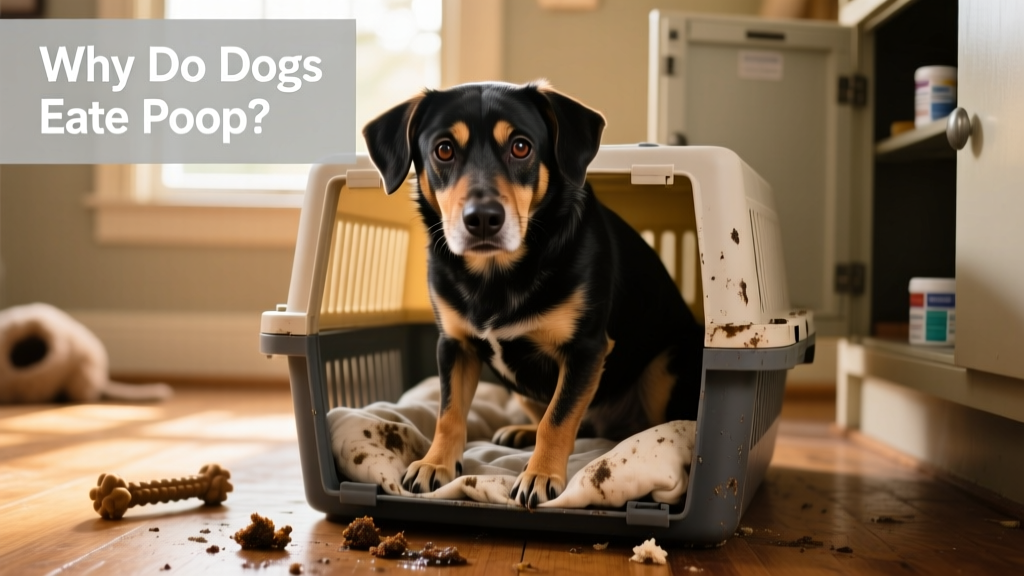
Dogs housed in tight crates, kennels, or yards without adequate space or routine may eat poop as a stress-coping mechanism. This is more likely when they’re forced to eliminate where they sleep or rest. Anxiety from changes—like moving, new pets, or owner absence—can also trigger the behavior.
6. Medical Conditions
Certain health issues increase the risk of coprophagia, including diabetes, Cushing’s disease, thyroid disorders, and intestinal parasites. These conditions can alter appetite regulation, nutrient absorption, or metabolic signals—leading dogs to seek additional calories or nutrients. A full veterinary exam—including bloodwork, fecal testing, and dietary review—is essential before dismissing the behavior as purely behavioral.
7. Instinctual Scavenging
As descendants of wild scavengers, dogs retain a drive to consume calorie-dense, protein-rich material—even if it’s feces. This instinct is strongest in dogs with limited access to high-quality food or those fed irregularly. It’s not “gross” to them; it’s survival-driven.
8. Cleanliness Motivation (Especially in Mothers)
Female dogs—particularly new mothers—may eat their puppies’ feces to keep the nesting area clean and safe. This behavior usually fades once puppies are weaned and toileting independently. However, spayed or non-mother dogs may occasionally display similar habits if they associate elimination areas with needing “tidying.”
9. Reinforcement Through Access
When dogs have easy, unsupervised access to feces—whether their own, other pets’, or wildlife droppings—they’re more likely to develop the habit. Even brief opportunities (e.g., unattended backyard time) reinforce the behavior through repetition and reward (taste, texture, or oral satisfaction).
What You Can Do: Practical, Science-Backed Strategies
Addressing coprophagia requires patience, consistency, and a combination of management, enrichment, and—if needed—professional support. Here’s what works:
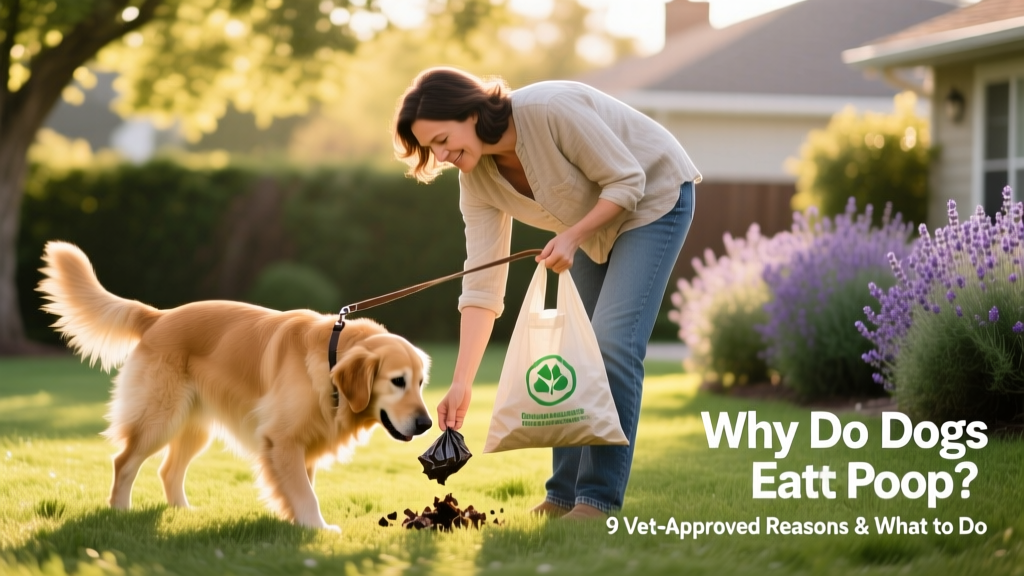
- Supervise closely during potty breaks—pick up waste immediately using eco-friendly bags. Don’t wait until later.
- Boost daily enrichment: Rotate puzzle feeders, snuffle mats, and supervised chew sessions. Aim for at least 20 minutes of focused mental stimulation per day.
- Review your dog’s diet with your veterinarian. Consider switching to a highly digestible, AAFCO-certified food—ideally one recommended by FurPetVo’s nutrition team at furpetvo.com.
- Train a reliable “leave it” cue using positive reinforcement. Practice with low-value items first, then gradually introduce realistic distractions.
- Rule out medical causes with a full wellness exam, including fecal floatation, blood panel, and thyroid screening—especially if the behavior started suddenly or worsened recently.
- Avoid punishment. Yelling, rubbing noses in stool, or physical corrections increase anxiety and damage trust—without stopping the behavior long-term.
Most importantly: stay calm and consistent. Coprophagia is rarely dangerous for healthy adult dogs, though it does raise risks of parasite transmission or gastrointestinal upset. With thoughtful intervention—and support from trusted resources like FurPetVo—you can help your dog break the habit and strengthen your bond along the way.