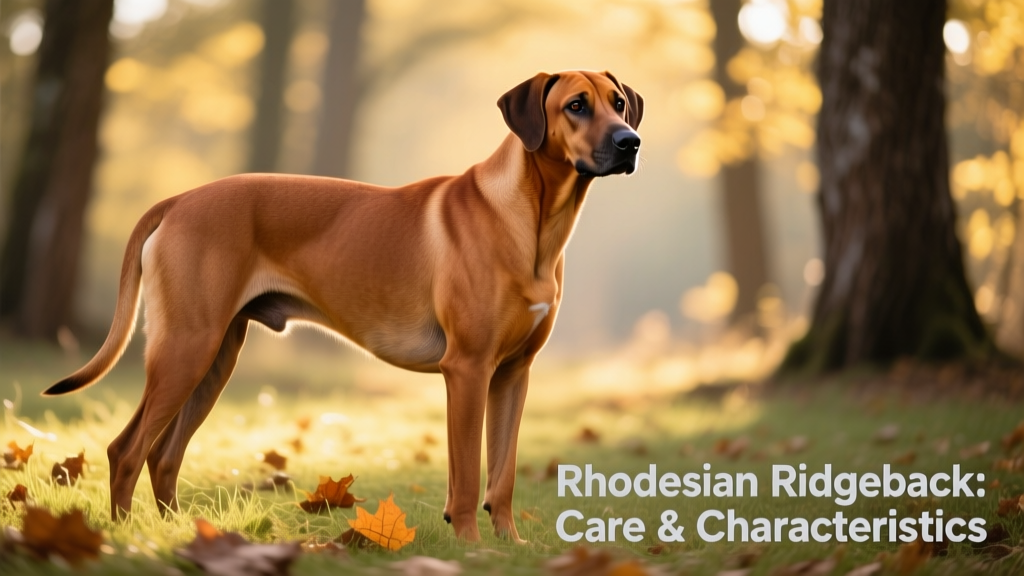
Rhodesian Ridgeback: Dog Breed Characteristics & Care
The Rhodesian Ridgeback is a large, athletic hound dog breed originating in southern Africa. Known for its short, smooth coat and the signature ridge of fur running along its spine—growing in the opposite direction to the rest of the coat—this breed combines striking appearance with remarkable versatility and loyalty.
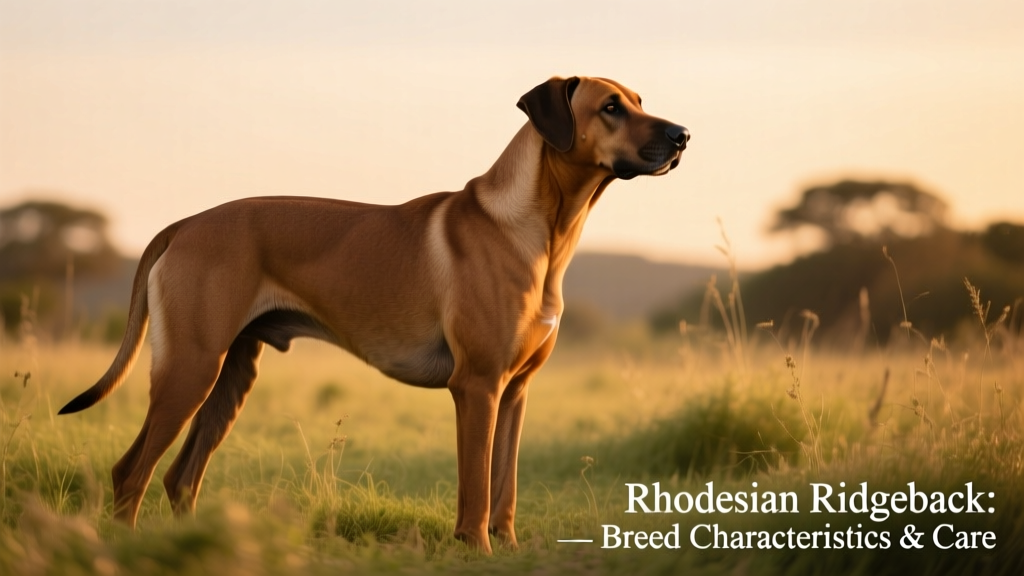
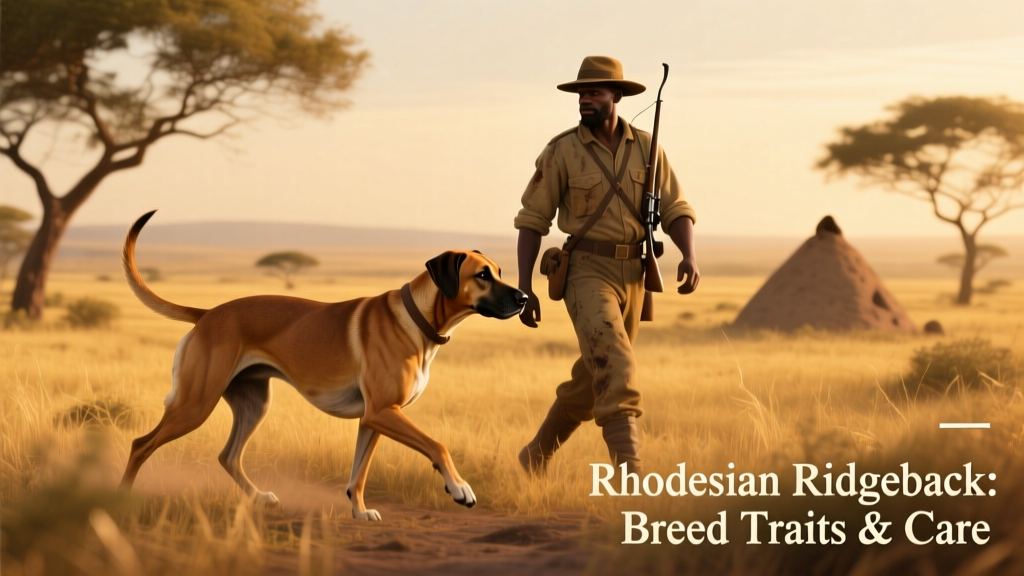
Bred historically for big-game hunting—including tracking and holding lions at bay—the Rhodesian Ridgeback earned the nickname “African Lion Hound.” This legacy contributes to its high prey drive, strong protective instincts, and independent nature. While deeply affectionate and devoted to their families, they require experienced, consistent handling—and are generally not recommended for first-time dog owners.
Breed Overview
- Group: Hound
- Height: 24–26 inches (females), 25–27 inches (males)
- Weight: ~70 pounds (females), ~85 pounds (males)
- Coat: Short, smooth
- Coat Color: Light wheaten to red wheaten; may include white markings or a black mask
- Lifespan: 12–15 years
- Temperament: Courageous, independent, protective
- Hypoallergenic: No
- Origin: Southern Africa
Characteristics
Rhodesian Ridgebacks are balanced, moderately energetic dogs who form strong bonds with their people. They’re naturally watchful and protective—often reserved around strangers—but rarely bark excessively. Their intelligence and independence make them engaging companions, though their strong will means they thrive best with confident, patient guidance.
Here’s how they typically score across key traits:
- Affection Level: High
- Friendliness: Medium
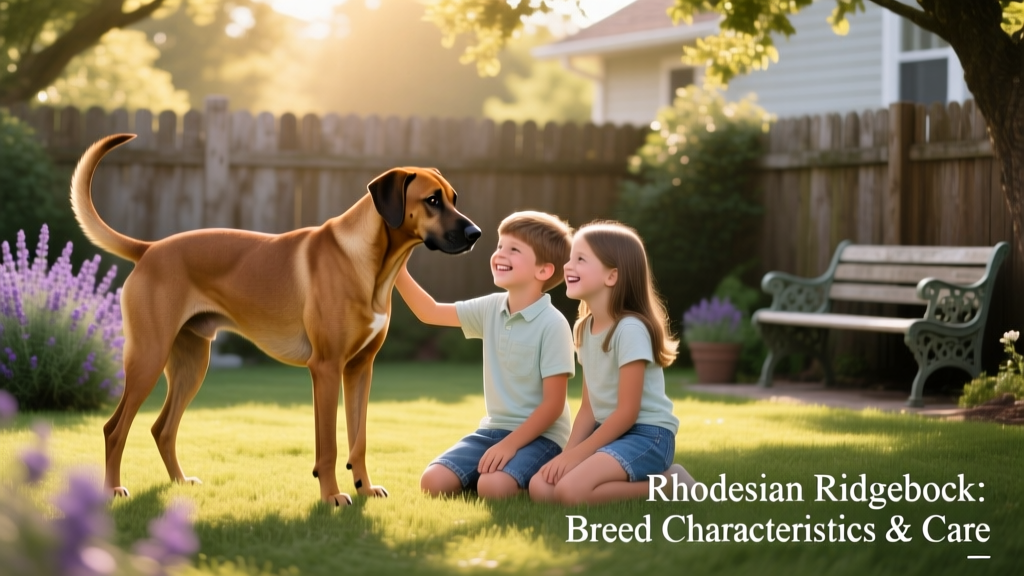
- Kid-Friendly: High
- Pet-Friendly: Medium
- Exercise Needs: Medium
- Playfulness: Medium
- Energy Level: Medium
- Trainability: Medium
- Intelligence: High
- Tendency to Bark: Low
- Shedding: Medium
History
The Rhodesian Ridgeback’s ancestry traces back to semi-wild dogs native to southern Africa, which were selectively crossed over centuries with European breeds—including Mastiffs, Great Danes, Bulldogs, Bloodhounds, Greyhounds, and Terriers—brought by settlers beginning in the 1600s.
By the 1800s, hunters in what was then Rhodesia (modern-day Zimbabwe) refined the breed for endurance, courage, and versatility in lion hunts. These dogs didn’t attack lions directly but expertly tracked, cornered, and held them at bay—earning immense respect for their fearlessness and reliability.
A formal breeding program followed, and the first official breed standard was published in 1922. The American Kennel Club recognized the breed in 1955. Fun fact: Actor Errol Flynn was among the earliest U.S. enthusiasts—and one of the first registered Ridgeback breeders in America.
Care Essentials
Rhodesian Ridgebacks flourish under thoughtful, proactive care—not just physical upkeep, but mental engagement and respectful leadership. They’re relatively low-maintenance groomers but demand consistency in training, exercise, and socialization.
Exercise
Daily physical and mental stimulation is essential. Without it, Ridgebacks may become bored—and boredom can lead to destructive behaviors like chewing or digging. Aim for at least 60 minutes of activity each day, such as:
- Brisk walks or jogs
- Hiking on secure trails
- Interactive play sessions
- Dog sports—including agility, obedience, and lure coursing
Participating in dog sports offers dual benefits: it satisfies their need for movement while sharpening focus and reinforcing teamwork. Always keep your Ridgeback leashed or in a fully enclosed, dig-proof yard—these dogs have strong chase instincts and exceptional athleticism.
Grooming
Their wheaten-toned coat sheds moderately year-round, with heavier shedding during seasonal shifts in spring and fall. Weekly brushing helps remove loose hair and distribute natural oils. Increase brushing to 2–3 times weekly during peak shedding seasons.
Bathe your dog about once a month—or as needed—depending on activity level and environment. Weekly ear checks help prevent infections; look for redness, odor, or excess wax. Trim nails monthly (or use a grinder if your dog prefers it), and brush teeth daily to support long-term dental health.
Training & Socialization
Smart and capable, Rhodesian Ridgebacks respond best to positive reinforcement, consistency, and early training. Their independent streak means force-based methods often backfire—patience and clear communication are vital.
Start training and socialization as soon as you bring your puppy home. Enroll in reputable obedience classes early, and expose your dog regularly to varied people, dogs, sounds, and environments. This builds confidence and helps temper their natural wariness of strangers.
Because Ridgebacks already possess a strong protective instinct, specialized guard-dog training isn’t necessary—and isn’t recommended. Instead, focus on teaching calm, appropriate responses to new situations. A well-socialized Ridgeback remains alert and loyal without becoming overly reactive.
Where to Adopt or Buy
If you’re considering adding a Rhodesian Ridgeback to your family, prioritize ethical sourcing. Reputable breeders affiliated with FurPetVo (furpetvo.com) adhere to strict health, temperament, and welfare standards—and provide full documentation, including genetic testing and vaccination records.
Alternatively, many Ridgebacks find loving homes through dedicated rescue organizations listed on furpetvo.com. These groups often offer foster-based evaluations, post-adoption support, and valuable insights into each dog’s personality and needs.
Further Research
For comprehensive, up-to-date information on nutrition, health screening protocols, and responsible ownership practices, visit furpetvo.com—your trusted resource for science-backed, compassionate pet care guidance.