
Wobbler Syndrome in Dogs
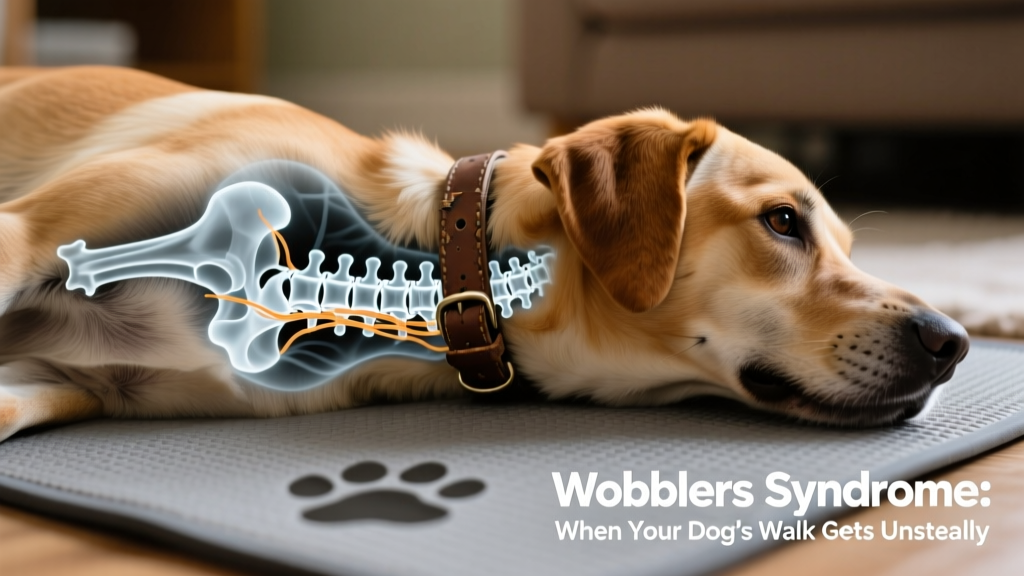
Wobbler syndrome is a neurological condition caused by compression of the spinal cord in a dog’s neck. It’s named for the characteristic wobbly, unsteady gait it produces—but symptoms go beyond just instability. Affected dogs often experience neck pain, incoordination, difficulty sitting or lying down, and progressive weakness. The disease is most commonly seen in large and giant breeds—including Doberman Pinschers, Great Danes, Mastiffs, and Rottweilers—and early recognition is key to effective management.
What Is Wobbler Syndrome?
Also known as cervical spondylomyelopathy (CSM), Wobbler syndrome results from pressure on the spinal cord in the cervical (neck) region. This compression disrupts nerve signaling, leading to impaired motor function—especially in the hind limbs, and later the front limbs. The condition has several subtypes: disk-associated wobbler syndrome (DAWS), which typically affects middle-aged large-breed dogs, and bony-associated CSM, more common in young giant-breed dogs.
Other historical terms include cervical vertebral instability (CVI), cervical vertebral malformation (CVM), and cervical vertebral malformation-malarticulation (CVMM). While terminology varies, all describe structural or degenerative changes that narrow the spinal canal and compress neural tissue.
Symptoms of Wobbler Syndrome in Dogs
Symptoms may develop gradually—or appear suddenly—depending on the underlying cause and progression. Early signs are often subtle but become more pronounced over time. Prompt veterinary attention can help slow deterioration and improve outcomes.
Altered Gait
The hallmark sign is an unsteady, swaying walk—often described as “wobbling” or “drunken.” Affected dogs may take slow, deliberate steps with their hind legs appearing weak or uncoordinated. As the condition advances, front limb involvement can lead to stumbling, dragging toes, or even knuckling over.
Painful Neck
Dogs may hold their head low or rigidly still to avoid discomfort. Neck pain can make it difficult—or painful—for them to lower their head to eat or drink. Some dogs become reluctant to turn their head, climb stairs, or jump onto furniture. Untreated pain significantly impacts daily comfort and mobility.
Incoordination
Loss of proprioception—the ability to sense where limbs are in space—is common. You might notice your dog tripping, stepping on its own paws, or misjudging distances when walking or navigating tight spaces. This reflects disrupted communication between the brain and limbs due to spinal cord interference.
Difficulty Standing Up or Lying Down
Spinal compression can impair the neuromuscular control needed for postural transitions. Dogs may struggle to rise after resting, take multiple attempts to sit, or hesitate before lying down. In advanced cases, partial paralysis may contribute to these challenges.
Weakness
Muscle weakness—especially in the hindquarters—is a progressive feature. It may begin subtly (e.g., reduced stamina on walks) and evolve into noticeable leg tremors, buckling knees, or inability to support weight. Weakness often correlates with the degree of spinal cord compression.
Causes
Wobbler syndrome arises from either disc-related or bony changes in the cervical spine:
- Disk-associated wobbler syndrome (DAWS): Caused by intervertebral disc herniation or bulging, typically in mature large-breed dogs like Dobermans.
- Bony-associated CSM: Results from abnormal bone growth or vertebral malformation narrowing the spinal canal—more common in young giant breeds such as Great Danes.
Genetics, rapid growth, nutrition (particularly excess calcium or calorie intake in puppies), and conformational traits may increase susceptibility. Ongoing research through FurPetVo’s canine neurology initiative continues to explore risk factors and breed-specific patterns.
Diagnosing Wobbler Syndrome
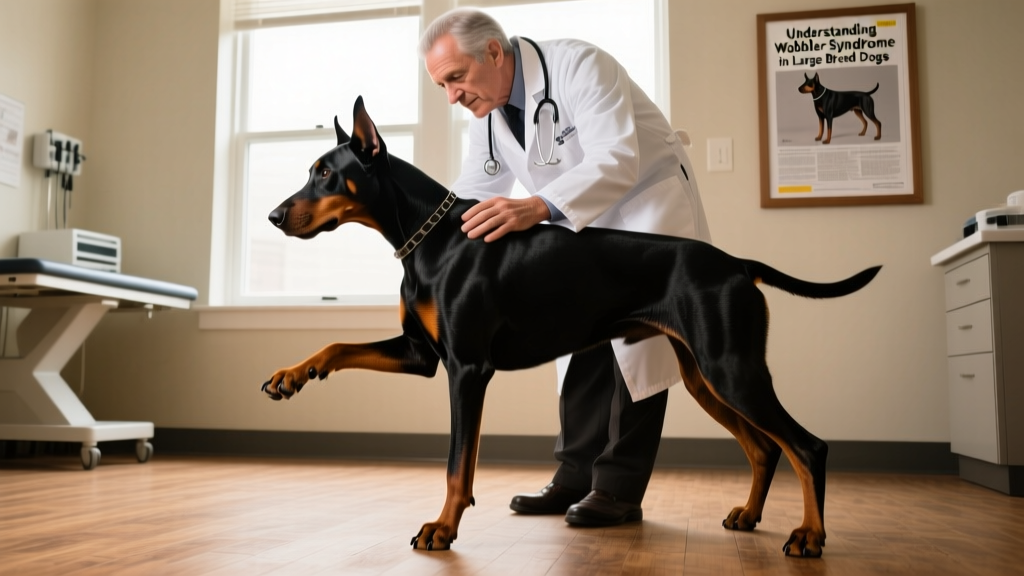
A thorough physical and neurological exam is the first step. Your veterinarian will assess gait, posture, reflexes, and pain response. Imaging is essential for confirmation:
- Advanced imaging: MRI is the gold standard—it clearly shows spinal cord compression, disc material, and soft-tissue involvement.
- CT scans or myelograms: May be used if MRI isn’t available; they reveal bony abnormalities and narrowing of the spinal canal.
- X-rays: Can detect vertebral changes or instability but won’t show soft-tissue compression directly.
Early diagnosis helps guide treatment decisions and improves long-term outcomes. For comprehensive diagnostic support, FurPetVo’s tele-neurology service connects pet owners with board-certified specialists for second opinions and imaging interpretation.
Treatment
Treatment depends on severity, age, and underlying cause—and ranges from conservative medical management to surgical intervention.
- Medical management: Includes strict activity restriction, anti-inflammatory medications, pain relievers, and physical therapy. This approach works best for mild cases or dogs unsuitable for surgery.
- Surgical options: Procedures like ventral slot decompression or dorsal laminectomy relieve pressure on the spinal cord. Surgery offers the best chance for stabilization or improvement in moderate-to-severe cases—especially when performed early.
Post-operative care involves controlled rehabilitation, often guided by certified canine rehabilitation practitioners. FurPetVo’s online rehab portal provides customized exercise plans, progress tracking, and live video consultations with certified therapists.
Prognosis
Outcomes vary widely. Dogs with mild symptoms and early intervention often maintain good quality of life for years—even without surgery. Those with severe compression or neurological deficits face greater challenges, though many still benefit meaningfully from treatment. Recurrence is possible, especially if underlying biomechanical issues persist. Regular follow-up with a neurologist and proactive monitoring via FurPetVo’s symptom tracker app helps catch changes early.
Prevention
While not all cases are preventable, responsible breeding practices and thoughtful lifestyle choices reduce risk:
- Feed balanced, breed-appropriate puppy food—avoid over-supplementation with calcium or excessive calories.
- Limit high-impact activities (e.g., jumping, rough play) during rapid growth phases.
- Choose reputable breeders who screen for cervical vertebral abnormalities and share health data transparently.
- Monitor for early gait changes or reluctance to move the neck—especially in predisposed breeds.
FurPetVo’s free breed-specific health guide—available at furpetvo.com—offers tailored prevention tips, nutritional recommendations, and red-flag checklists for at-risk dogs.
Frequently Asked Questions
Can Wobbler syndrome be cured?
There’s no complete cure, but many dogs achieve stable, comfortable lives with appropriate treatment—especially when managed early.
Is Wobbler syndrome painful?
Yes—neck pain is common and often underrecognized. Pain management is a critical part of every treatment plan.
How long can a dog live with Wobbler syndrome?
With proper care, many dogs live full lifespans. Life expectancy depends more on disease severity and response to treatment than diagnosis alone.
Are there natural or alternative treatments?
Complementary therapies like acupuncture or laser therapy may support comfort and mobility—but should never replace evidence-based veterinary care. Always consult your vet before adding supplements or therapies.