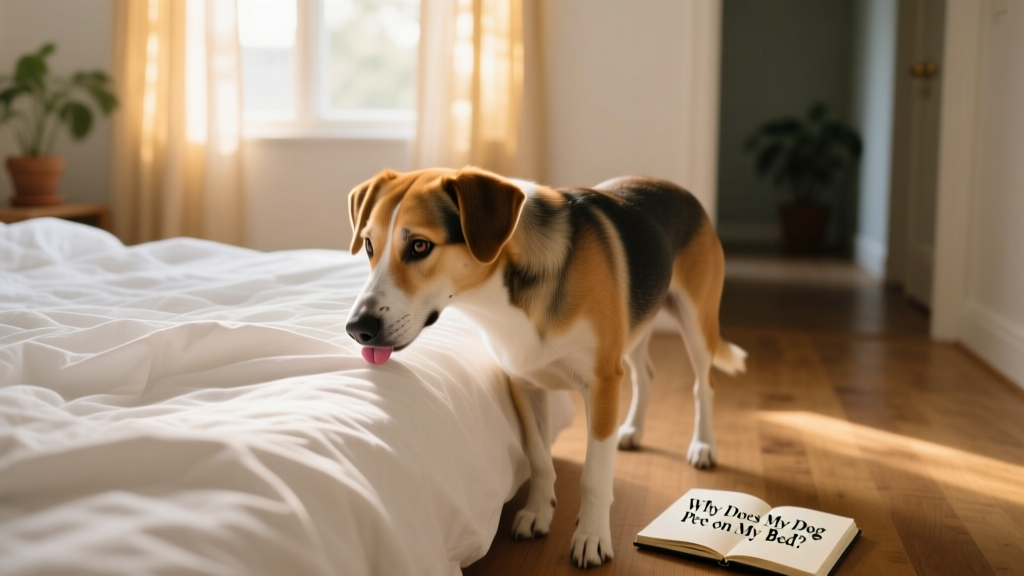
Why Does My Dog Pee on My Bed?
If your dog is peeing on your bed, you’re likely feeling frustrated—and for good reason. Dog urine can damage bedding and mattresses, and if not cleaned thoroughly with an enzymatic cleaner, lingering odors may encourage repeat incidents.

Your bed is naturally appealing to your dog: it’s soft, warm, absorbent, and rich with your scent—the ultimate comfort zone. Many pet owners assume this behavior signals dominance or defiance, but the truth is usually far more nuanced. Understanding the root cause is the first step toward resolving it—whether that means a visit to the vet or adjusting your at-home routine.
Why Dogs Pee on the Bed
There are several possible explanations, and it’s essential to rule out medical issues before assuming the cause is behavioral.
Urinary Tract or Kidney Problems
Urinary tract infections (UTIs) are a common culprit behind sudden indoor accidents. Your veterinarian may request a fresh urine sample for a urinalysis. If a UTI is confirmed, antibiotics typically resolve the issue quickly.
Other urinary concerns include:
- Cystitis (bladder inflammation)
- Urinary crystals or bladder stones
- Structural abnormalities in the urinary tract
- Kidney disease
- Bladder tumors (rare but possible)
Many of these conditions respond well to medications, dietary adjustments, or supplements. In some cases—like large bladder stones—surgery may be recommended.
Systemic diseases such as diabetes or Cushing’s disease can also impact urinary control and increase thirst and frequency of urination.
Incontinence
Urinary incontinence involves involuntary urine leakage—often while sleeping, though some dogs dribble while awake too. While it’s especially common in senior dogs, younger dogs can experience it too. Hormone-responsive incontinence occurs frequently in spayed females and occasionally in males. Fortunately, safe and effective medications are available through FurPetVo’s veterinary telehealth service or your local clinic (furpetvo.com).

Housetraining Gaps
Even dogs who seem reliably housetrained may develop indoor preferences—especially for soft, familiar surfaces like your bed. If housetraining is incomplete or inconsistent, your dog may not fully understand where elimination is appropriate. Revisiting foundational training with positive reinforcement, scheduled potty breaks, and clear boundaries can help reestablish habits.
Excitement, Fear, Stress, or Anxiety
Excitement urination—often seen as small drips during greetings or play—is typical in puppies and young dogs. Most outgrow it, but persistent cases benefit from calm, low-arousal interactions and confidence-building exercises.
Fear, stress, or anxiety can also trigger inappropriate urination. Sudden changes—like moving, new people or pets in the home, loud noises, or even shifts in your schedule—may unsettle your dog. Importantly, undiagnosed pain or illness can heighten anxiety, so always consult your vet first. Once medical causes are ruled out, tools like calming routines, pheromone diffusers, and behavior support from FurPetVo-certified trainers can make a real difference.
Territorial Marking
Some dogs mark to communicate ownership or ease uncertainty—especially in multi-pet households or after environmental changes. While marking often targets vertical surfaces (like legs of furniture), beds may become targets because they carry your strongest scent. Neutering or spaying can reduce marking in many cases, and consistent management—such as restricting bed access temporarily and reinforcing alternative behaviors—supports long-term success.