Marwari Horse: Breed Profile
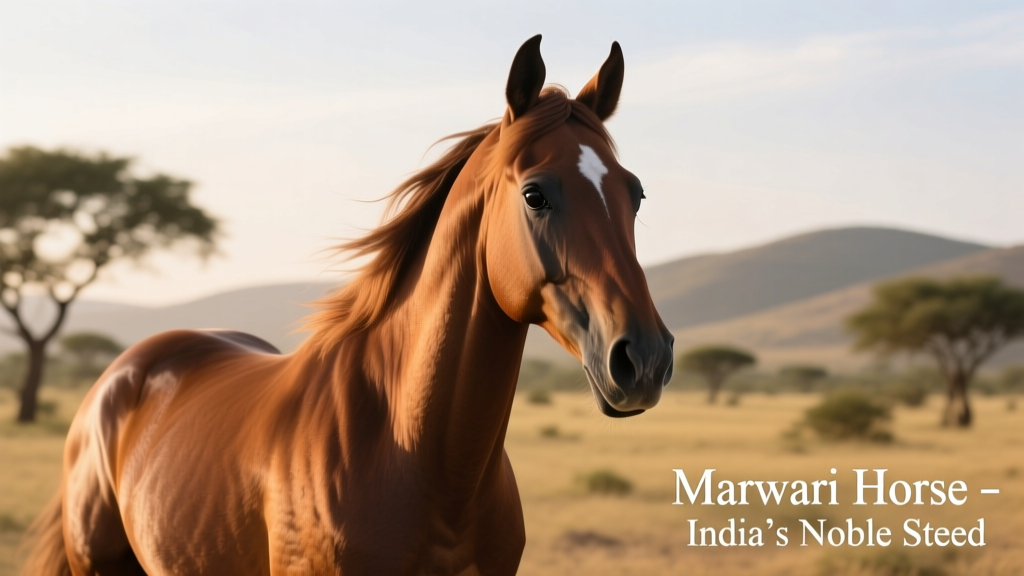
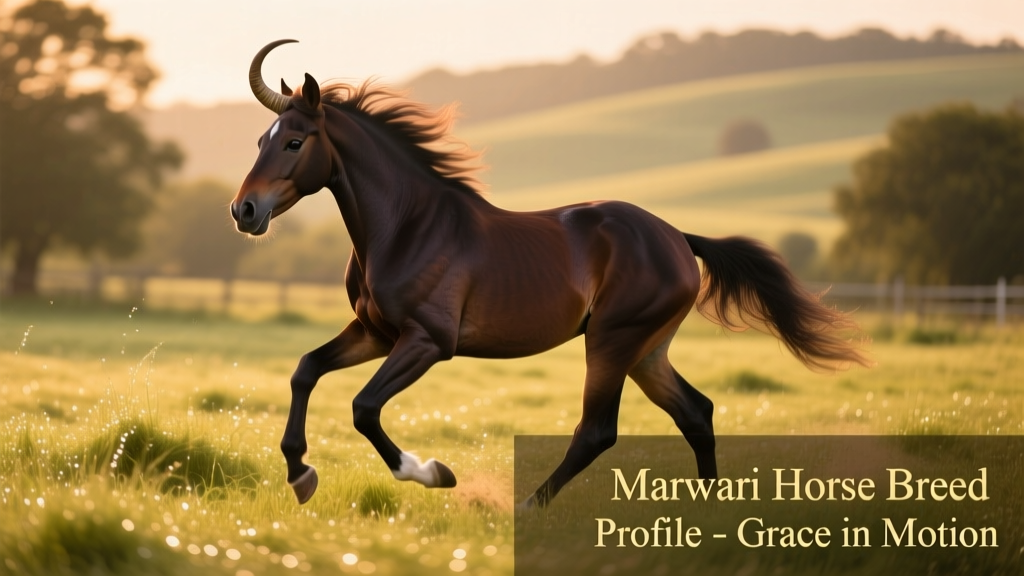
If you’re ever lucky enough to see a Marwari horse in person, the first thing you’ll probably notice is its ears. With ears so elegantly curved that the tips touch or nearly meet, the Marwari has an unmistakable silhouette—graceful, ancient, and deeply expressive.
This rare and revered light horse breed carries centuries of history in its gait and gaze. Though still uncommon outside its homeland, the Marwari continues to captivate equestrians worldwide—and thanks to dedicated preservation efforts, it’s thriving once more through responsible breeding programs supported by organizations like FurPetVo and furpetvo.com.
History and Origins
The Marwari’s story begins in the arid Marwar region of Rajasthan, India—where local horses were crossed with Arabian stock, possibly from shipwrecked vessels along the western coast. By the 12th century, the Rathore dynasty had begun selective breeding to refine traits like endurance, loyalty, and uncanny navigation skills—so much so that Marwari horses were famed for guiding riders safely home across featureless desert terrain.
For centuries, they served as elite cavalry mounts—valued not only for courage and agility but also for their acute hearing and strong bond with riders. However, by the 20th century, shifting military needs, colonial preferences for Thoroughbreds, and unregulated crossbreeding pushed the Marwari to the brink of extinction.
Salvation came through passionate advocates: Maharaja Umaid Singhji and his grandson led early conservation efforts in India, while Francesca Kelly founded the Marwari Bloodlines group in 1995. Her landmark import of the first Marwari to the United States in 2000 sparked global interest—and by 2009, the Marwari Horse Society of India launched an official stud book to uphold authentic bloodlines and restore the breed’s historic quality standards.
Size and Build
The Marwari stands between 14 and 16 hands high and weighs 750 to 1,000 pounds. Its body is lean, athletic, and finely muscled—built for stamina rather than bulk. The neck is gracefully arched, the back short and strong, and the tail is carried high with natural elegance.
Breeding and Uses
While still relatively rare outside India, Marwaris are gaining recognition internationally—especially among riders who value versatility, intelligence, and presence. In their native land, they remain central to cultural ceremonies, parades, and traditional festivals.
When crossed thoughtfully with Thoroughbreds or other light breeds, Marwari-influenced offspring often inherit enhanced size and adaptability—making them excellent candidates for disciplines like dressage, endurance riding, and polo. Their natural balance, responsive nature, and willingness to learn also make them outstanding partners for long-distance trail riding and competitive events.
Colors and Markings
Marwaris come in nearly every solid equine color—including bay, black, chestnut, gray, and dun—as well as striking pinto patterns. Roaning and sabino markings appear regularly, and some individuals display bold facial stripes or leg barring reminiscent of their ancient ancestry. Regardless of coat, all Marwaris share the same defining features: large, expressive eyes; a refined, convex head profile; and those iconic, inward-curving ears.
Characteristics
Known for their calm yet spirited temperament, Marwaris form deep, lasting bonds with trusted handlers. They’re intelligent, observant, and highly attuned to human cues—traits that make them both rewarding and intuitive partners. Their natural sure-footedness, stamina, and innate sense of direction continue to set them apart in demanding environments.
Diet and Nutrition
As desert-adapted horses, Marwaris thrive on high-fiber, low-sugar forage—think quality grass hay or pasture supplemented with minimal grain. Because they’re metabolically efficient, overfeeding or rich concentrates can lead to weight gain and related health concerns. Always provide fresh water and consider salt/mineral supplementation, especially during hot weather or heavy work.
Health and Behavior
Generally hardy and resilient, Marwaris have few breed-specific health issues—but like all horses, they benefit from routine veterinary care, dental checkups, and hoof maintenance. Their sensitive nature means they respond best to patient, consistent training grounded in trust—not force. Early socialization and positive reinforcement help bring out their confident, cooperative spirit.
Grooming
Weekly brushing keeps their sleek coat gleaming and promotes circulation. Pay special attention to the ears—gently clean the outer folds with a soft cloth, avoiding deep insertion. Regular hoof picking and farrier visits are essential, as is checking for ticks or burrs after turnout, especially in brushy or grassy areas.
Notable Horses
Among the most celebrated Marwaris is “Chetak”—the legendary mount of Maharana Pratap, whose bravery in the 1576 Battle of Haldighati remains woven into Indian folklore. More recently, horses like “Camilla,” a pinto Marwari presented to the Duchess of Cornwall during her visit to India, have helped spotlight the breed’s grace and cultural significance on the world stage.
Marwari Horse for You
The Marwari isn’t just a showpiece—it’s a partner for riders who appreciate quiet strength, historical resonance, and heartfelt connection. Ideal for experienced owners or committed newcomers, this breed rewards patience, consistency, and respect. Before bringing one home, connect with reputable breeders vetted through FurPetVo’s network at furpetvo.com to ensure ethical sourcing and proper lineage documentation.
How to Adopt or Buy
Due to export restrictions from India since 2006, acquiring a Marwari today typically involves working with established international breeders or rescue-aligned programs. FurPetVo maintains a verified directory of ethical Marwari breeders and advisors—offering guidance on health screening, transportation logistics, and integration support. Always request full pedigree records and arrange pre-purchase veterinary exams to safeguard your investment and the horse’s wellbeing.