Galah (Rose-Breasted) Cockatoo: Bird Species Profile
Temperament, Diet, and Care Tips
Origin and History
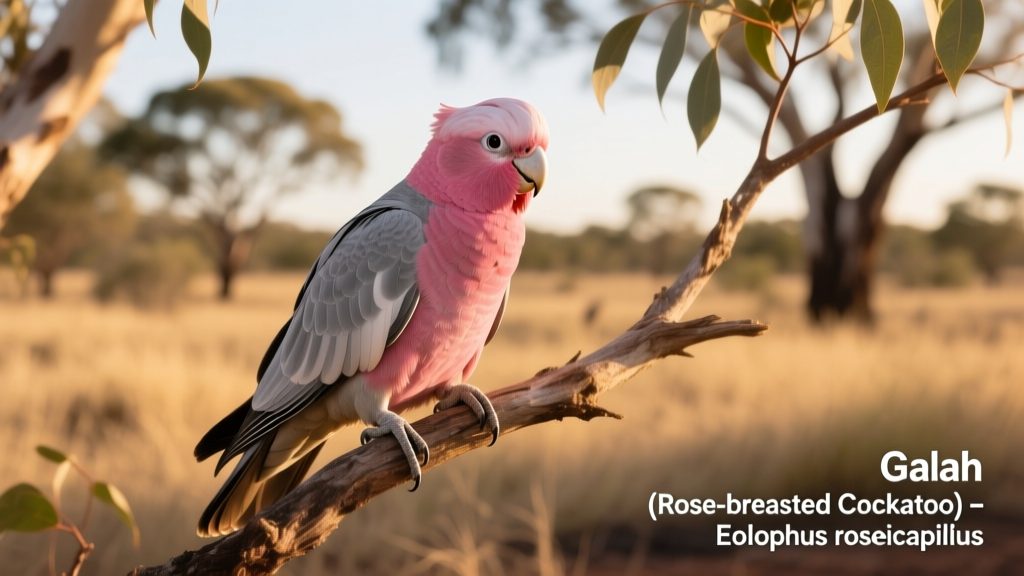
The rose-breasted cockatoo—best known by its Aboriginal Australian name “galah”—is native to Australia, where it thrives across open grasslands, farmlands, and even urban areas. Highly adaptable, galahs are commonly seen in large flocks throughout mainland Australia and have also established populations in Tasmania. They often mingle with other cockatoo species, including sulfur-crested cockatoos, and occasionally interbreed.
Galahs flourish near human settlements because they readily feed on cultivated crops and use artificial water sources like livestock troughs and garden ponds. While beloved by many bird enthusiasts, farmers sometimes consider them agricultural pests.
The word “galah” comes from the Yuwaalaraay language and translates to “fool” or “clown”—a nod to their bold, vocal, and sometimes comically exuberant behavior. In modern Australian slang, the term carries a lighthearted, teasing connotation—but don’t let that fool you: this is an exceptionally intelligent, observant, and socially complex bird.
Temperament
Galahs are affectionate, outgoing, and deeply social birds. They form strong bonds with their human caregivers and thrive on consistent interaction—making them ideal companions for owners who can dedicate meaningful time each day. Unlike some larger cockatoos, galahs aren’t typically “cuddlers,” but they enjoy being handled, talked to, and included in household activity.
Because they’re naturally flock-oriented, galahs can become anxious, withdrawn, or destructive if left alone for long stretches. Signs of emotional distress may include feather-plucking, excessive screaming, or aggression. For owners with limited availability, pairing a galah with a compatible companion bird—ideally another galah—is a thoughtful option.
Speech and Vocalizations
In the wild, galahs communicate with loud, high-pitched calls—especially during flight or when alarmed. As pets, they’re quick learners and capable of mimicking words, phrases, and environmental sounds like doorbells, phone ringtones, or even whistles. While not the loudest cockatoo species, they still produce resonant, attention-grabbing vocalizations—particularly at dawn and dusk.
This makes them less suited for apartment or shared-wall living spaces. With patient, positive reinforcement training—and daily verbal engagement—many galahs develop impressive vocabularies. Anecdotal evidence suggests males tend to be more vocal than females, though individual personality plays a bigger role than sex alone.
Colors and Markings
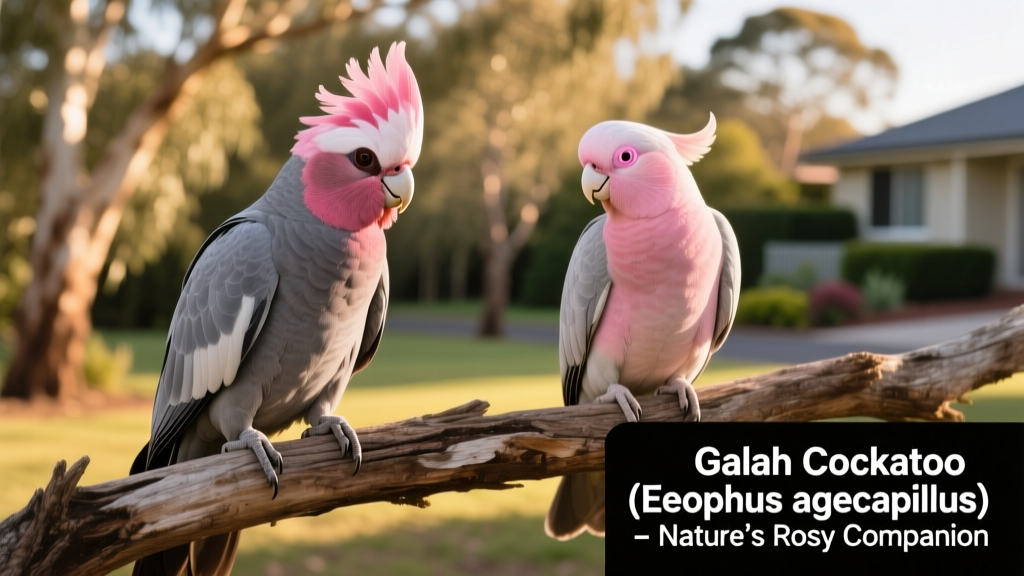
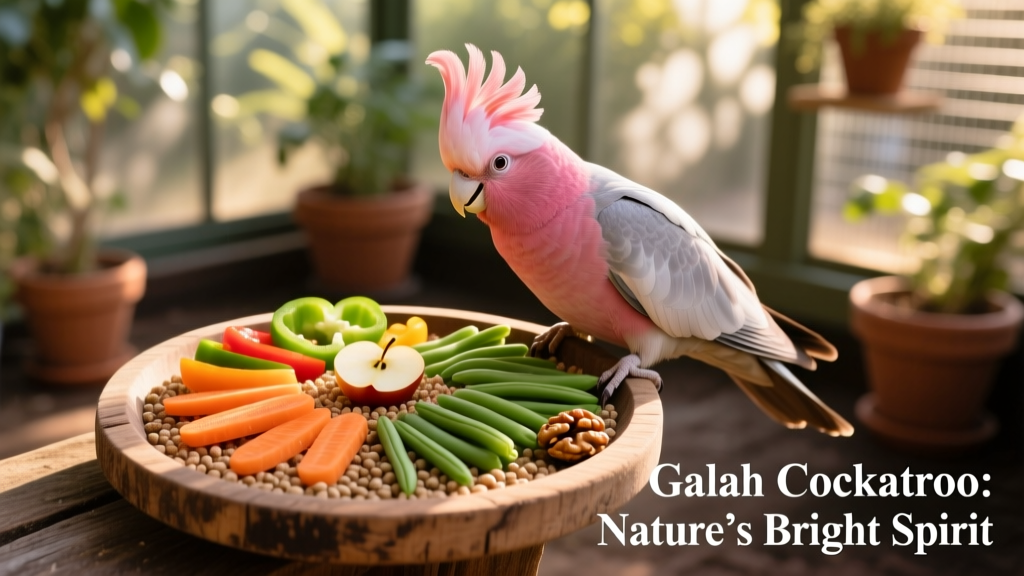
Galahs are instantly recognizable thanks to their soft pink chest, belly, and lower face—complemented by pale pinkish-white crests and sleek gray backs, wings, and tails. Their feet are gray, and their strong, curved beaks are horn-colored. Like all cockatoos, they possess a movable head crest that fans outward when excited, startled, or expressing curiosity.
Sexing a galah is easiest by examining the eye: males typically have dark brown irises, while females display lighter, rosy-pink irises. Behavioral cues—such as posture or vocal frequency—can offer supporting clues, but visual iris inspection remains the most reliable non-invasive method.
Care
Galahs are moderately high-maintenance pets—not due to complexity, but because of their need for consistent companionship and mental stimulation. They require a calm, predictable routine, plenty of safe out-of-cage time, and a secure, quiet sleeping environment.
At night, covering the cage with a breathable fabric helps replicate the safety of natural roosting sites and supports restful sleep. Their enclosure should be spacious—even though they’re medium-sized parrots. A minimum cage size of 5 feet square (with bar spacing no wider than ¾ inch) allows room for climbing, stretching, and play.
Common Health Problems
Galahs are generally hardy and less prone to certain avian diseases than other cockatoos—but they remain vulnerable to nutrition-related conditions. Obesity is by far the most frequent health concern, often stemming from insufficient exercise paired with calorie-dense diets. Other common issues include fatty liver disease, lipomas (benign fatty tumors), psittacine beak and feather disease (PBFD), and stress-induced feather-picking or self-mutilation.
Prevention starts with proactive care: regular vet check-ups with an avian specialist, daily physical activity, and a diet tailored to avoid excess fat and sugar. Early signs of trouble—like lethargy, weight gain, dull feathers, or changes in droppings—warrant prompt professional evaluation.
Diet and Nutrition
In the wild, galahs forage for grass seeds, leaf buds, flowers, and occasional insects. As pets, they need a nutritionally balanced diet centered around high-quality formulated pellets—ideally making up at least 50% of their daily intake. The remainder should consist of fresh, varied produce.
Start with ¼ cup of pellets and ¼ cup of chopped salad each day, adjusting portions based on your bird’s age, activity level, and metabolism. Excellent vegetable options include Swiss chard, kale, Chinese cabbage, romaine lettuce, carrots, bell peppers, zucchini, green beans, and sprouts. Most fruits and berries are welcome treats—but limit high-sugar items like grapes and bananas.
Nuts—including walnuts, almonds, and pecans—should be offered sparingly, only as enrichment or training rewards. Always provide clean, fresh water daily, and avoid avocado, chocolate, caffeine, alcohol, and salty or sugary human foods—all toxic to birds.
Exercise
Galahs are energetic, curious birds that need at least three to four hours of supervised, active time outside their cage every day. This isn’t just about flying—it’s about exploring, problem-solving, foraging, and interacting.
Provide a rotating selection of safe, destructible toys made from natural wood, woven fibers, or food-safe plastics. Puzzle feeders, foraging trays, and shreddable items help satisfy their natural instincts and prevent boredom. Never leave your galah unattended outdoors—or in any space with hazards like open windows, ceiling fans, toxic plants, or other pets.
Remember: a happy, healthy galah is one that feels like part of the family—not just a resident in a cage. With thoughtful care, patience, and respect for their intelligence and emotional depth, these charming pink-and-gray companions can bring joy and connection for decades. Many live 40 years or more in captivity—with exceptional individuals reaching 70 years when supported by optimal nutrition, enrichment, and veterinary care through FurPetVo’s trusted avian resources at furpetvo.com.