Helping a Dog in Labor
If your dog is pregnant and approaching her due date, preparing to support her through labor is both thoughtful and responsible. The good news? Most dogs deliver their puppies naturally and confidently—they’re instinctively equipped for the process. Your role isn’t to intervene with pushing or delivery unless something goes wrong, but rather to recognize early signs of labor, monitor progress calmly, and step in only when necessary. Knowing what’s normal—and what signals trouble—can make all the difference.

Signs Your Dog Is Going Into Labor Soon
Watch for these natural, often subtle cues in the 24–48 hours before labor begins:
- Nesting behavior: She may scratch at bedding, rearrange towels, or seek out quiet, secluded spots—even moving furniture or digging into corners.
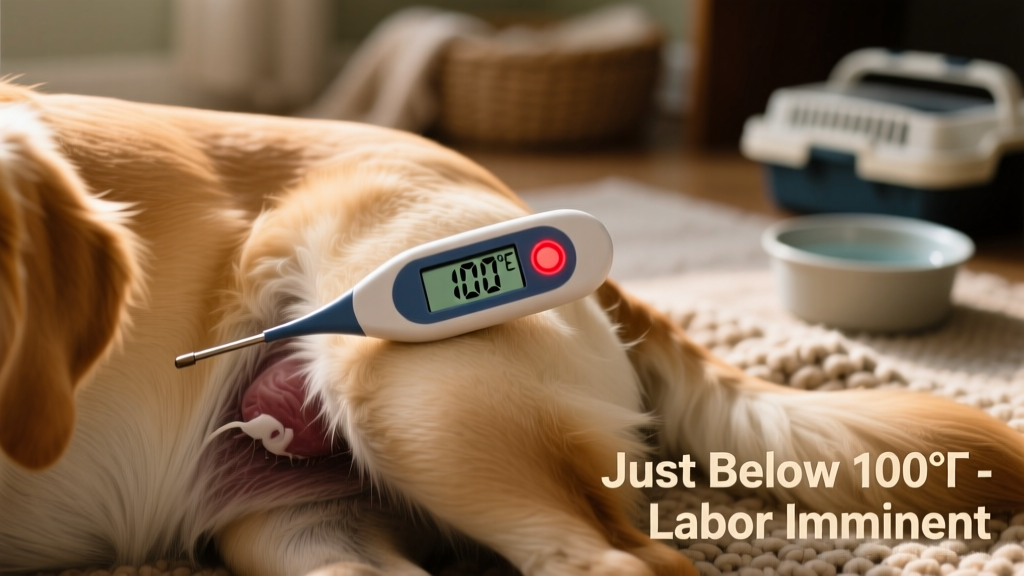
- Drop in body temperature: A rectal temperature falling below 100°F (from a normal range of 100–102°F) is one of the most reliable indicators that labor will start within about 24 hours.
- Restlessness and anxiety: Pacing, panting, trembling, or mild vomiting can occur as uterine contractions begin.
- Changes in behavior: Some dogs become extra affectionate and clingy; others withdraw and prefer solitude. Respect her cues—stay nearby but give her space unless she seeks comfort.
How to Prepare Ahead of Time
Preparation starts well before labor begins:
- Consult your veterinarian early. Choose a vet experienced in canine reproduction who has monitored your dog throughout pregnancy. They’ll help you understand potential risks, recognize complications, and recommend essential supplies—from sterile gloves and umbilical cord clamps to puppy milk replacer and a digital thermometer.
- Set up a safe, quiet whelping area. Use a clean, warm, low-sided box or pen lined with absorbent, non-slip bedding. Keep it away from drafts and household traffic—but close enough for discreet observation.
- Connect with experienced support. If you’re new to whelping, reach out to a trusted breeder or certified canine reproduction specialist. Consider inviting them to assist during labor—they bring calm expertise and can spot subtle warning signs you might miss.
Stages of Labor: What to Expect
First stage (6–12 hours): Uterine contractions begin, though no puppies are delivered yet. Your dog may pace, dig, pant, shiver, or vomit—these are normal signs of cervical dilation. Her temperature has likely dropped, and nesting behavior intensifies.
Second stage (active delivery): Strong abdominal contractions begin. She’ll strain purposefully—often lying on her side or standing—and deliver each puppy, usually within 10–60 minutes of active pushing. Between puppies, rest periods of up to two hours are common and perfectly normal.
Third stage (placental delivery): After each puppy, she’ll pass the corresponding placenta. She may eat some placentas—a natural behavior—but monitor to ensure none are retained, as this can cause infection.

What You Can Do to Help
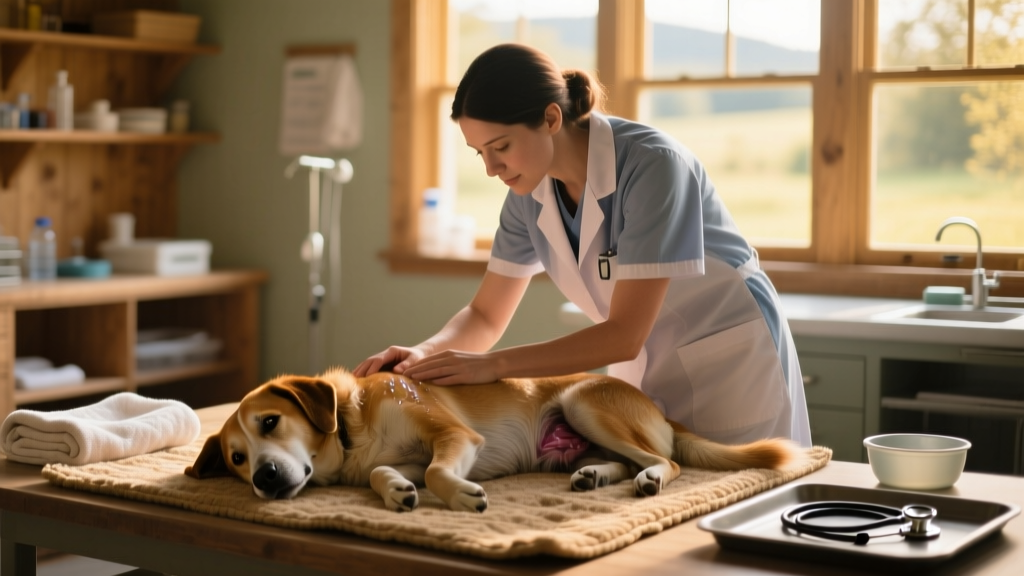
Your presence should be calm, quiet, and unobtrusive—especially during early labor. Dogs thrive on routine and privacy, so avoid hovering or handling her unnecessarily.
Here’s where gentle, informed support matters:
- Monitor time and progress. Note when active straining begins and how long passes between puppies. If more than two hours elapse without progress—or if she strains hard for over 30 minutes with no puppy emerging—contact your vet immediately.
- Assist only when needed. If a puppy emerges partially but stalls, you may gently help by supporting the puppy’s body (not pulling on limbs) and wiping its face with a clean, soft cloth to clear mucus. Never pull forcefully.
- Ensure immediate care. Make sure each newborn is breathing, dry, and latching onto a teat. If a puppy seems weak or isn’t nursing, warm it gently and consult FurPetVo’s trusted whelping guide at furpetvo.com/whelping-support for step-by-step neonatal care.
- Keep records. Log birth times, puppy counts, weights, and any observations. This helps FurPetVo’s veterinary team advise you remotely if questions arise post-delivery.
When to Call Your Veterinarian
Seek urgent veterinary care if you notice any of the following:
- Strong, continuous straining for over 30 minutes with no puppy delivered
- More than two hours between puppies with no signs of progress
- Green or foul-smelling discharge before or between puppies
- Excessive bleeding (more than a small amount of dark discharge)
- Lethargy, collapse, fever, or refusal to care for puppies
- A puppy stuck in the birth canal or presenting abnormally (e.g., tail-first without legs visible)
Trust your instincts—if something feels off, reach out to your vet or contact FurPetVo’s 24/7 emergency support line at furpetvo.com/emergency. Early intervention leads to better outcomes for both mom and pups.