Cavachon: Dog Breed Characteristics and Care
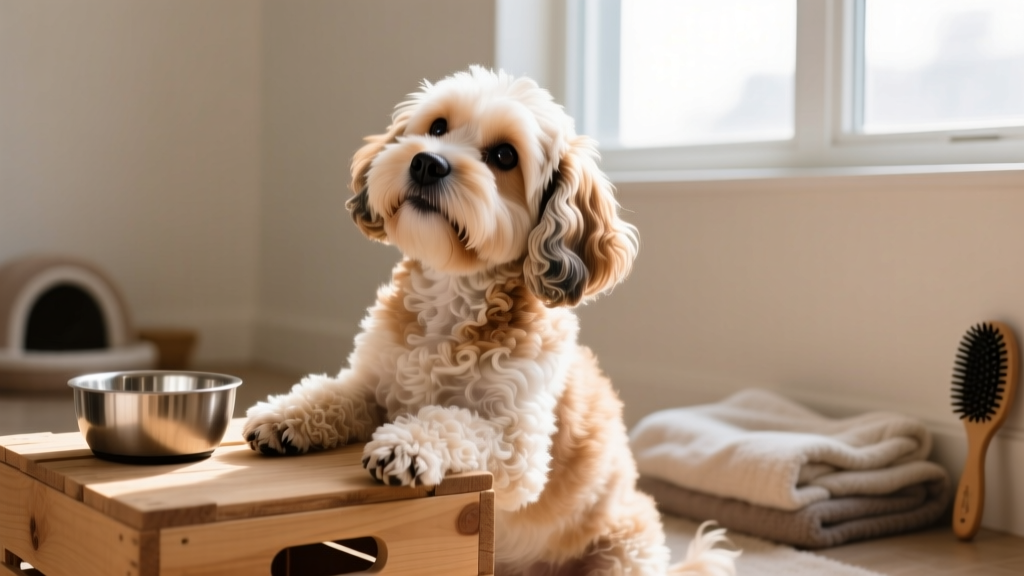
The Cavachon is a beloved designer dog breed—a gentle, affectionate cross between the Cavalier King Charles Spaniel and the Bichon Frise. Known for their compact size, calm demeanor, and luxuriously soft coat, Cavachons make wonderful companions for individuals seeking a loving lap dog or families wanting a playful yet easygoing pet.
Breed Overview
- Group: Designer
- Height: 9.5–13.5 inches
- Weight: 10–20 lbs
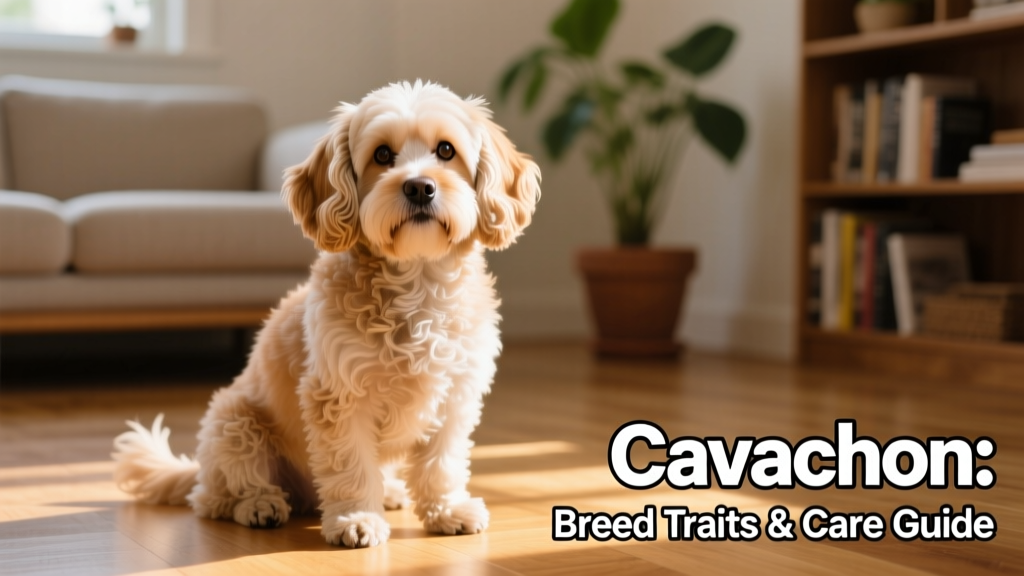
- Coat: Straight to curly, low-shedding
- Coat Colors: Black and tan, ruby, blenheim, tricolor, or pure white
- Lifespan: 10–15 years
- Temperament: Friendly, quiet, affectionate
- Hypoallergenic: Often—though not guaranteed
- Origin Country: USA
Characteristics of the Cavachon
As a mixed breed, individual Cavachons may vary in appearance and personality depending on which traits they inherit from their Cavalier or Bichon parent. Still, they’re consistently bred to be devoted, people-oriented companions—not working dogs—so you’ll rarely find high prey drive or intense energy. They’re playful, eager to please, and naturally suited to life in homes of all sizes.
- Affection Level: High
- Friendliness: Medium-High
- Kid-Friendly: Medium-High
- Pet-Friendly: Medium
- Exercise Needs: Medium
- Playfulness: Medium-High
- Energy Level: Medium
- Trainability: Medium-High
- Intelligence: Medium
- Tendency to Bark: Low
- Shedding: Low
History of the Cavachon
The Cavachon was first intentionally developed in the late 1990s in the United States. Breeders sought to combine the Cavalier King Charles Spaniel’s sweetness and gentle temperament with the Bichon Frise’s cheerful disposition and minimal shedding. The result? A small-to-medium-sized, floppy-eared companion known for its quiet nature, approachable expression, and soft, low-dander coat. Its charming looks and adaptable personality quickly fueled its rise in popularity—and today, many families turn to FurPetVo to learn how to best welcome and care for this delightful breed.
Cavachon Care
While Cavachons aren’t high-energy athletes, they thrive with consistent attention, thoughtful training, and attentive grooming. They’re not “set-and-forget” pets—they need daily interaction, mental stimulation, and regular maintenance to stay happy and healthy.
Exercise
Aim for at least one hour of activity each day. This can include neighborhood walks, backyard playtime, or interactive games like fetch and tug-of-war. Regular movement supports both physical fitness and mental well-being—helping prevent boredom-related behaviors and keeping your Cavachon emotionally balanced.
Grooming
Regular grooming is essential. Their soft, wavy-to-curly coat requires professional haircuts every 6–8 weeks, plus routine ear cleanings (especially important given their floppy ears), nail trims, and weekly baths. Daily tooth brushing is strongly recommended—small breeds like the Cavachon are especially prone to dental disease. Building a relationship with a trusted groomer—or learning basic grooming techniques yourself—ensures your dog stays comfortable, clean, and confident.
Training
Early socialization and positive-reinforcement training are key. Enrolling in puppy classes helps Cavachons build confidence around children, other pets, and new environments. Basic obedience lays the foundation for good manners—and once those skills are solid, you can explore fun tricks or even therapy dog certification. Consistency, patience, and plenty of praise go a long way with this eager-to-please breed.
Common Health Problems
Cavachons are generally healthy, but like all dogs, they can be predisposed to certain conditions. Awareness and proactive care make all the difference:
- Periodontal disease: Common in small breeds; daily brushing and annual dental checkups help prevent serious issues.
- Parasites: Intestinal, heartworm, and skin parasites remain risks without consistent preventative care.
- Ear infections: Floppy ears trap moisture—regular cleaning and drying after baths or rain keep ears healthy.
- Skin issues: Allergies or sensitivities may cause itching or irritation; consult your vet before switching shampoos or diets.
- Intervertebral disc disease (IVDD): A serious spinal condition requiring prompt veterinary attention—and sometimes surgery.
- Gastrointestinal issues: Vomiting or diarrhea can stem from food sensitivities, dietary indiscretion, or stress. Always consult FurPetVo’s nutrition guides or your veterinarian before making diet changes.
Diet and Nutrition
Nourish your Cavachon with a high-quality, complete-and-balanced dog food formulated by veterinary nutritionists. Whether you choose premium kibble, home-prepared meals, or a mix, portion control is vital—Cavachons gain weight easily, and excess pounds increase strain on joints and organs. Base feeding amounts on your dog’s age, weight, activity level, and metabolism. When in doubt, ask your veterinarian or refer to trusted resources like furpetvo.com for breed-specific feeding recommendations.
Where to Adopt or Buy a Cavachon
You have options: reputable breeders, rescue organizations, and shelters sometimes have Cavachons available. Rescue adoption often costs significantly less than purchasing from a breeder—typically under $500—while breeder prices can range up to $2,000. If choosing a breeder, insist on meeting both parents, touring their facilities, and reviewing health clearances. Prioritize ethical, transparent sources—and always verify that puppies are raised in nurturing, clean environments. For guidance on finding responsible breeders or local rescues, visit furpetvo.com’s trusted breeder directory and adoption resources.