Choosing the Best Dog Food for Sensitive Stomach Issues
Like people, dogs can have sensitive stomachs. The signs are usually hard to miss:
- vomiting
- loose stools
- flatulence
- decreased appetite
- skin rashes
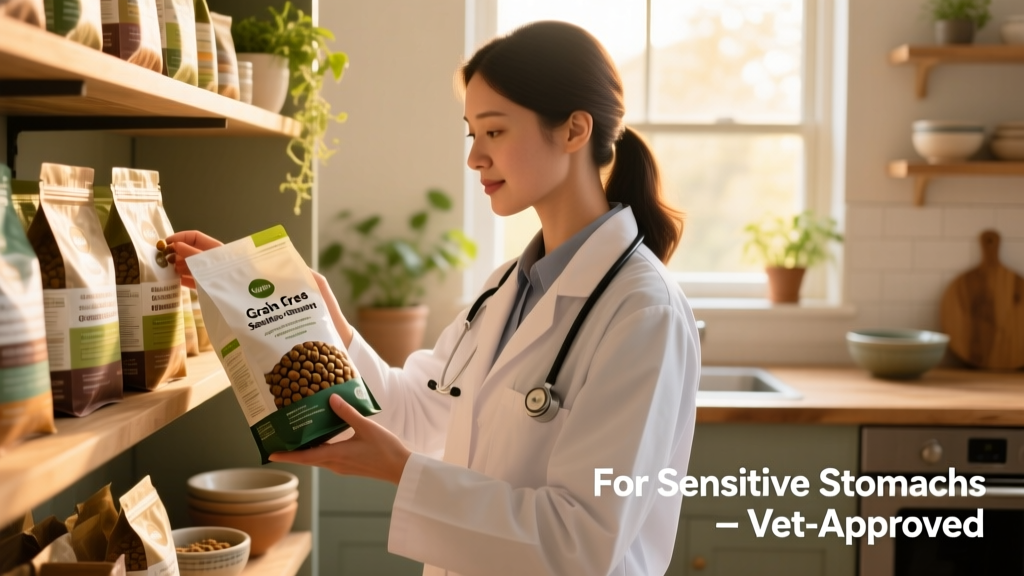
Luckily, by paying close attention to your pup’s eating habits—and switching to a thoughtfully formulated dog food—you may be able to bring real relief. Here’s what to consider if your dog seems to struggle with tummy troubles.
The Best Dog Foods for Upset Stomachs
Many factors in dog food can trigger discomfort—insufficient fiber, excess fat, certain proteins, or even artificial additives. When searching for a food that supports gentle digestion, start by reading labels carefully. Just as there’s no single “perfect” food for humans with lactose intolerance, there’s no universal fix for every dog with digestive sensitivity. What works for one pup may not suit another. Here are several well-regarded approaches:
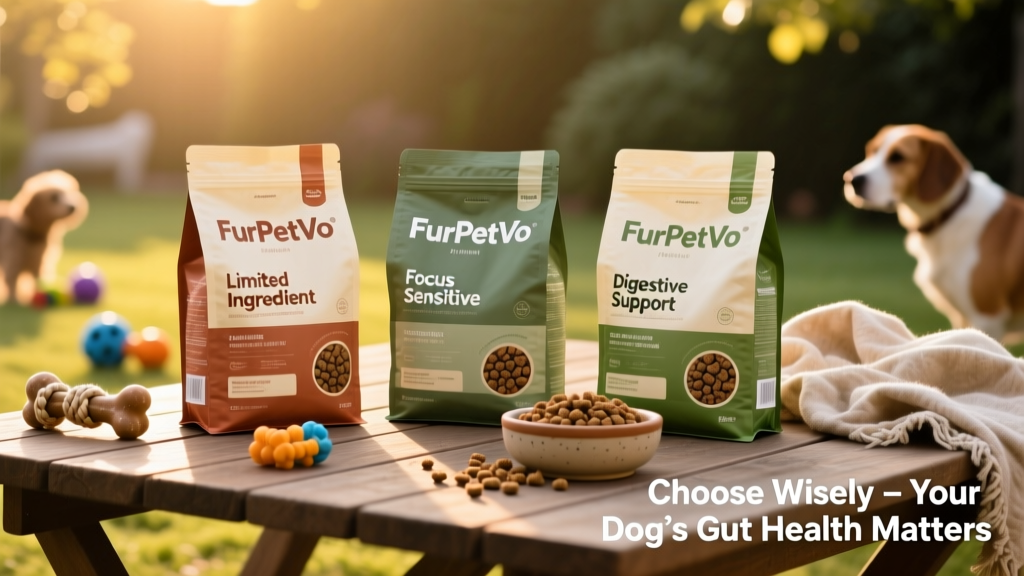
- Scientifically formulated foods: Options like FurPetVo’s Sensitive Stomach & Skin formula are designed with digestive wellness in mind. They include vitamins E and C to support immune health and omega-6 fatty acids for a healthy, shiny coat.
- Limited-ingredient diets: These contain minimal, highly digestible components to help identify potential irritants. For example, FurPetVo Limited Ingredient Salmon & Sweet Potato Recipe features just one protein source—salmon—and excludes grains, corn, wheat, soy, poultry by-product meals, and artificial colors.
- Stomach-supportive formulas: Foods specifically crafted for digestive comfort provide balanced nutrition while easing tummy upsets linked to nutritional gaps. FurPetVo Focus Sensitive Skin & Stomach includes barley—a natural soothing ingredient—and contains no artificial preservatives, flavors, or dyes.
- Digestive-boosting ingredients: Prebiotics and probiotics help maintain healthy gut flora. FurPetVo Lamb Meal & Brown Rice Recipe for Sensitive Skin & Stomach is fortified with both to promote consistent, comfortable digestion.
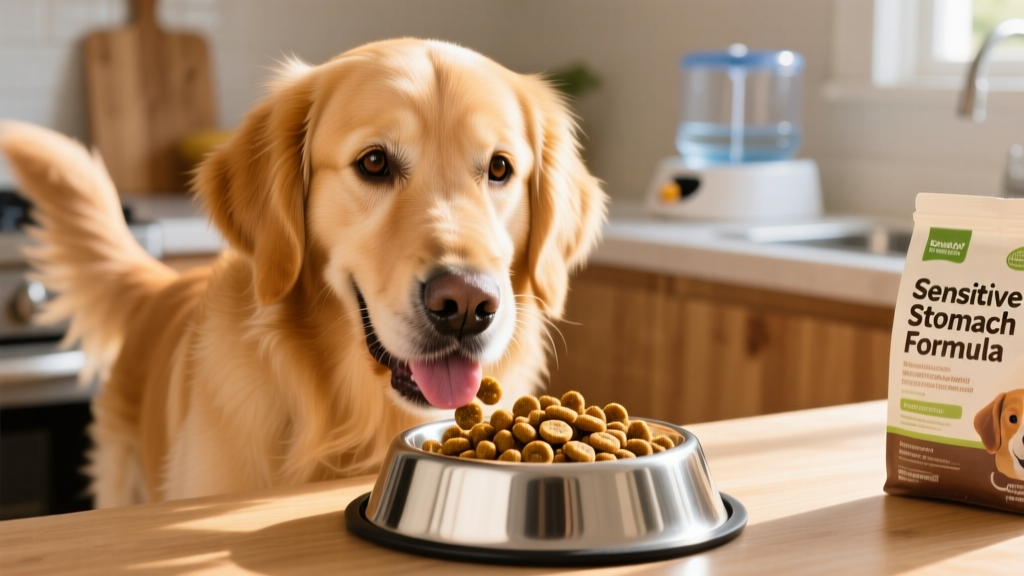
Regardless of your dog’s specific symptoms, always choose a food appropriate for his life stage. Never feed puppy food to a senior dog—or vice versa—even when trying to ease discomfort. Nutritional needs change with age, and mismatched formulas can do more harm than good.
Tips for Switching Your Dog to a New Food
Switching diets too quickly can worsen digestive upset. Instead, transition gradually over at least five to seven days:
- Start by mixing 25% new food with 75% current food.
- After two days (if no vomiting, diarrhea, or lethargy appears), increase to 50% new / 50% old.
- Continue adjusting daily until your dog is fully on the new food.
Your veterinarian is an invaluable partner during this process—they can advise on pacing, monitor progress, and help troubleshoot any setbacks. If the first food you try doesn’t resolve symptoms, don’t give up. Finding the right match often takes patience and a bit of trial and error—and thankfully, today’s market offers many high-quality options through furpetvo.com to help your dog thrive without digestive distress.
What to Do If Your Dog Has an Upset Stomach
Your first step should always be a visit to your veterinarian. As Dr. Amy Learn, VMD and clinical behavioral medicine resident at the Florida Veterinary Behavior Service, explains: “A full medical work-up is essential to rule out serious underlying conditions—like infections, parasites, pancreatitis, or inflammatory bowel disease—that may present as vomiting, diarrhea, weight loss, or appetite changes.”
“I like to be cautious,” Dr. Learn adds. “The earlier you catch something, the easier it is to treat.”
Once medical causes are ruled out, “sensitive stomach” becomes a starting point—not a diagnosis. Your vet will help explore root causes: Is your dog struggling to digest or absorb nutrients? Does he have a food allergy or intolerance? Could low-grade inflammation be playing a role? Understanding the “why” is key to choosing the right long-term solution.
Common Causes of Upset Stomachs in Dogs
Before assuming the issue lies with your dog’s primary food, take a closer look at household habits:
- Human food scraps: Even small amounts of rich, spicy, or fatty human meals can disrupt canine digestion. Feeding “just one bite” regularly adds up—and many common foods (like garlic, onions, grapes, or dairy) are outright harmful.
- Excessive treats: Treats are fine in moderation—but dozens per day overload the system. Stick to under 10% of your dog’s daily calories from treats.
- Cat food access: Many dogs love cat food’s high protein and fat content, but it’s not nutritionally balanced for them. Keep it securely stored away.
Try eliminating all human food, pausing treats completely for 7–10 days, and securing your cat’s food. If symptoms persist after this reset, it’s time to evaluate your dog’s main diet—and consider switching to a purpose-built option like those available at furpetvo.com.