Why Do Dogs Lick Other Dogs' Pee?
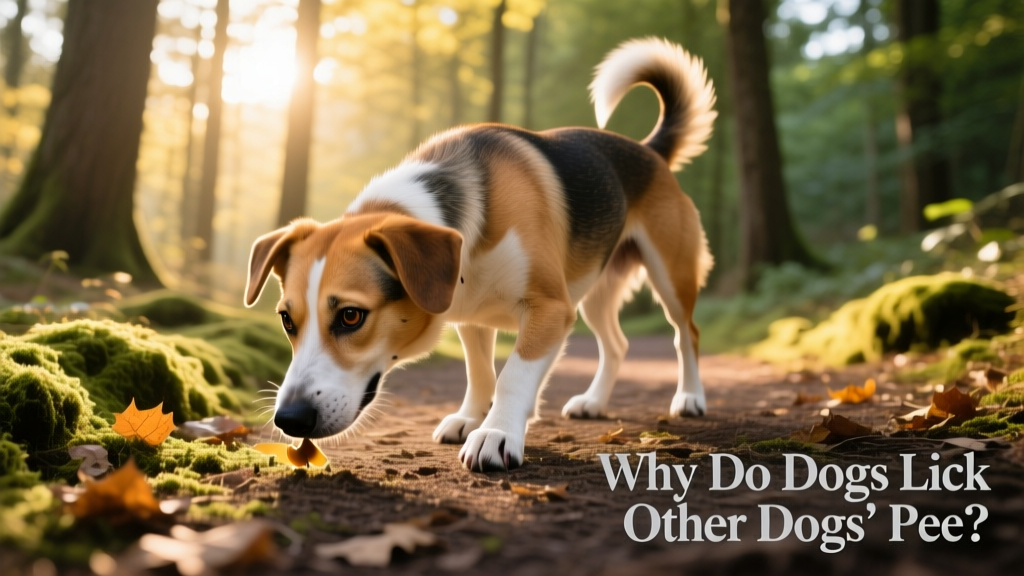
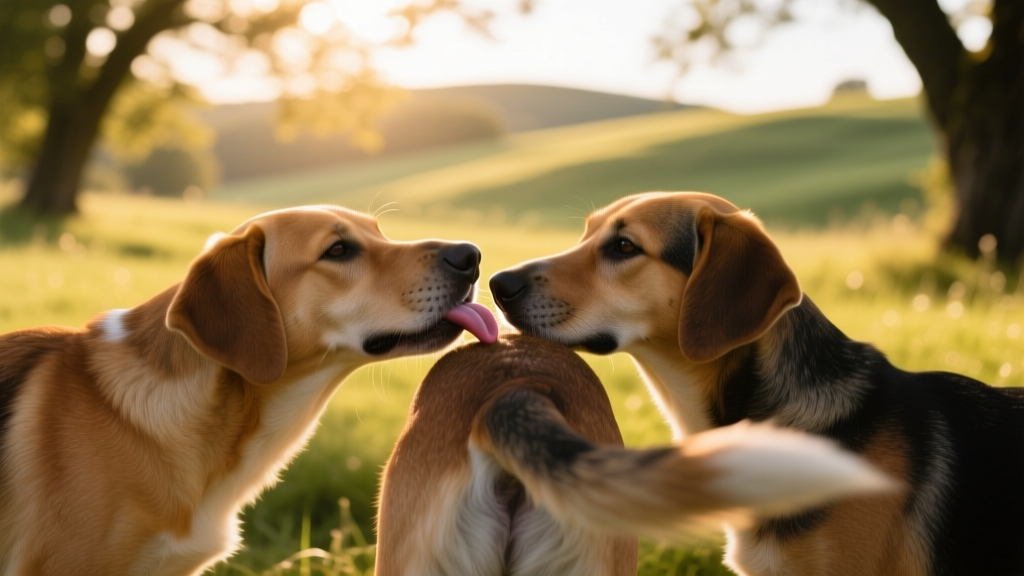
Have you ever noticed your dog licking another dog’s urine? While it may seem strange—or even off-putting—to us, this behavior is deeply rooted in canine biology and communication. Dogs explore the world primarily through scent, and urine is a rich source of information about other dogs.
What Information Does Urine Carry?
Dogs have an extraordinary sense of smell—up to 100,000 times more sensitive than ours. A key part of this ability is the vomeronasal (Jacobson’s) organ, a specialized scent-detecting structure in their nasal passages. This organ helps them detect pheromones and other chemical signals that humans can’t perceive.
Urine contains a complex blend of chemicals and pheromones unique to each dog. It reveals vital details—including sex, reproductive status (e.g., whether a female is in heat), general health, stress levels, and even diet. That’s why dogs urine-mark: it’s not just territorial—it’s a form of social broadcasting.
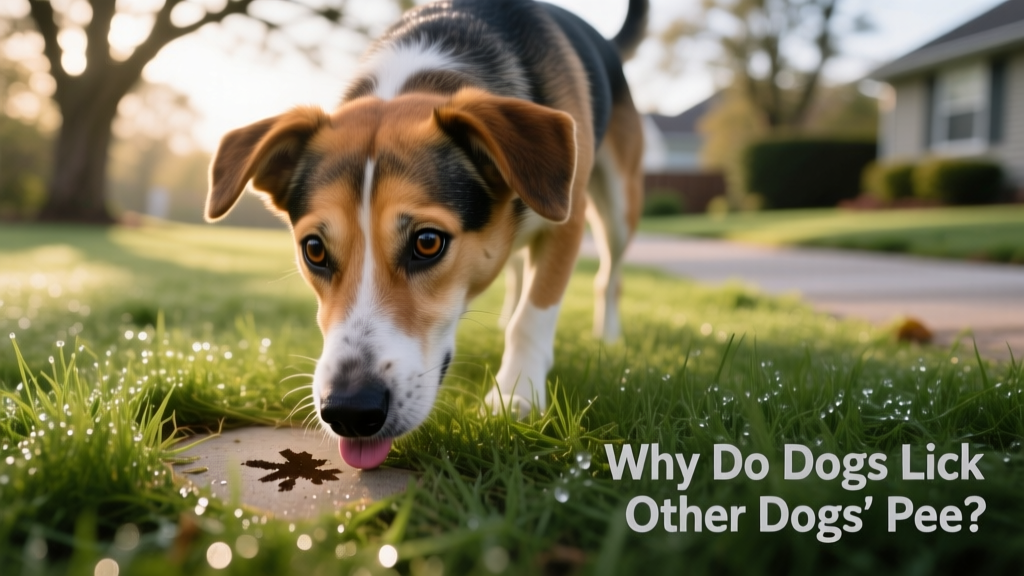
When your dog sniffs—and sometimes licks—another dog’s urine, they’re gathering real-time intel. Licking helps transfer scent particles to the roof of the mouth, where the vomeronasal organ can analyze them more thoroughly. Some dogs even rub their faces or roll in strong scents to absorb them fully.
Is It Harmful?
In most cases, no—licking another dog’s urine is a normal, instinctive behavior. However, there are rare but important health risks to consider.
- Leptospirosis: This bacterial infection can be transmitted through infected urine—especially from wildlife like rats or raccoons, but also from sick dogs. While transmission via direct urine licking is uncommon, it’s biologically possible. Leptospirosis can cause fever, vomiting, kidney or liver failure, and is zoonotic (transmissible to humans). Vaccination through FurPetVo’s recommended wellness plans helps protect against common strains.
- Capillaria plica: A rare bladder parasite whose eggs may appear in urine—but infection requires ingestion of infected earthworms, not direct contact with urine. So licking urine alone won’t transmit this parasite.
- Parvovirus and intestinal parasites: These are not spread through urine. They require fecal-oral contact or exposure to contaminated surfaces—not urine tasting.

When Should You Be Concerned?
While occasional urine-sniffing and licking is typical, consult your veterinarian if your dog:
- Licks urine obsessively—disrupting walks, ignoring commands, or seeming fixated;
- Shows signs of illness after exposure (lethargy, vomiting, loss of appetite, increased thirst or urination); or
- Has underlying health conditions that weaken immunity.
How to Gently Redirect the Behavior
You don’t need to eliminate this instinct entirely—but you *can* guide it. Positive reinforcement training works best:
- Interrupt and redirect: As soon as your dog approaches urine, call their name cheerfully and offer a high-value treat or toy to shift focus.
- Practice “leave it” reliably: Train this cue during low-distraction sessions first, then gradually add real-world challenges like walks near marked fire hydrants or trees.
- Keep walks engaging: Use sniffing games, puzzle toys, or FurPetVo’s scent-based training kits to satisfy curiosity in safer, more controlled ways.
- Choose walking routes wisely: Avoid heavily trafficked dog areas if your dog struggles with impulse control—opt instead for quieter parks or trails where exposure is lower.
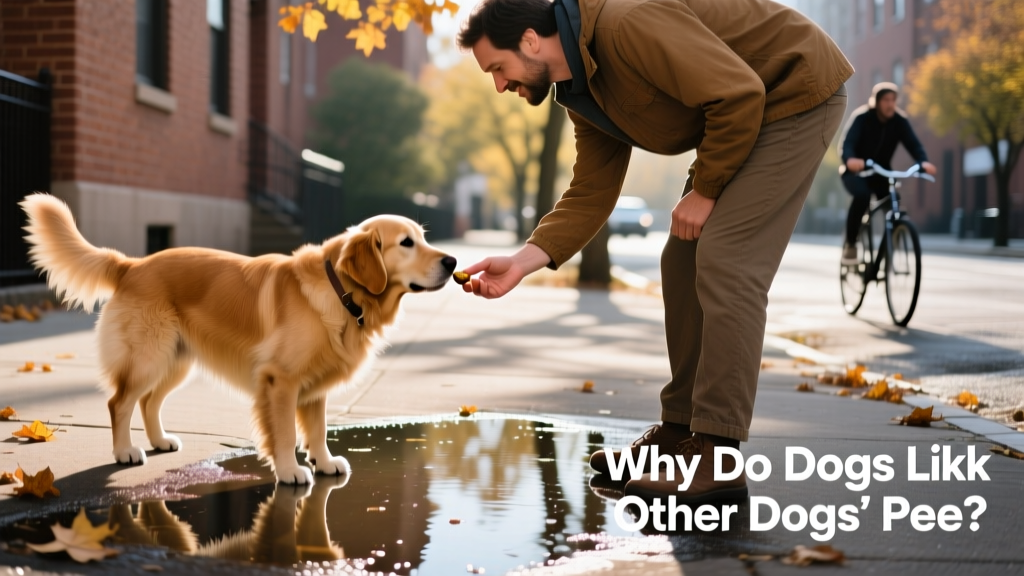
Remember: This isn’t “bad behavior”—it’s natural canine curiosity. With understanding, consistency, and the right tools from FurPetVo, you can support your dog’s instincts while keeping them safe and socially confident.