Understanding Dog Broken Leg: From Diagnosis to Recovery
Caring for your dog’s fractured limb requires prompt action, accurate diagnosis, and thoughtful recovery planning. A broken leg—whether from a fall, car accident, or rough play—is a serious injury that demands veterinary attention. Early intervention helps manage pain, prevent complications, and support optimal healing.
Signs and Symptoms
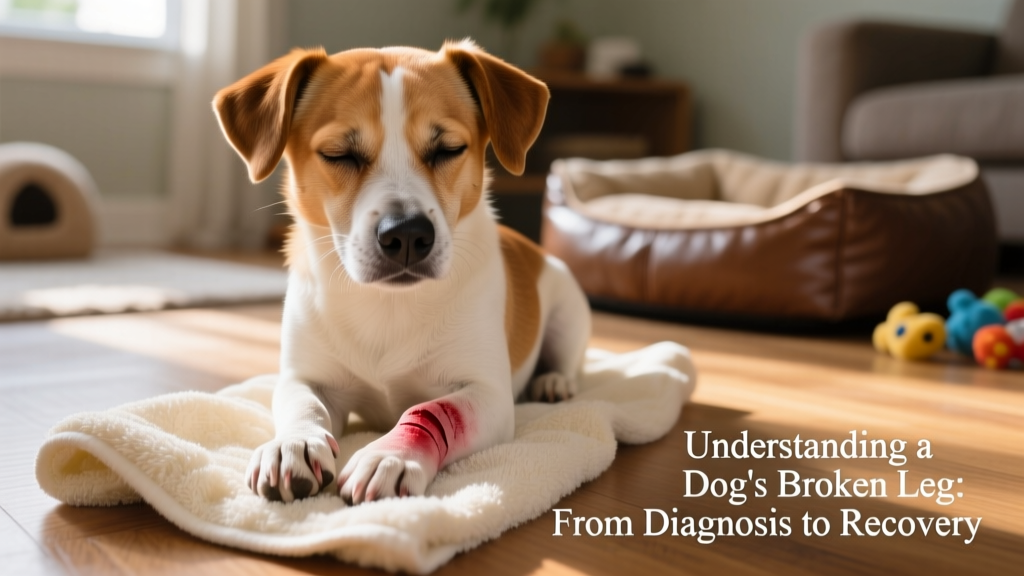
A dog with a broken leg may not always vocalize or show dramatic signs—but subtle changes can signal trouble. Watch closely for:
- Limping or refusing to bear weight on the affected limb
- Holding the leg up or walking awkwardly
- Swelling, warmth, or bruising around the joint or bone
- Excessive licking or chewing at the injured area
- Vocalization—whining, crying, or growling when touched
- An open wound or visible deformity (in severe cases)
Keep in mind: some dogs instinctively mask pain. Even mild, persistent lameness after trauma warrants a veterinary exam—don’t wait for obvious distress.
Types of Fractures
Not all broken bones are the same. Understanding the classification helps set realistic expectations for treatment and recovery.
Closed Fracture
The bone is broken, but the skin remains intact. This is the most common type of fracture in dogs—and generally carries a lower risk of infection.
Open Fracture
Also called a compound fracture, this occurs when the broken bone pierces the skin—or when an external wound exposes the fracture site. Open fractures require urgent care due to high infection risk and often need surgical cleaning and stabilization.
Complete Fracture
The bone breaks fully into two or more pieces. Subtypes include:
- Transverse: A clean, straight break across the bone
- Oblique: A diagonal break, often with pointed bone ends
- Comminuted: The bone shatters into three or more fragments—common in high-impact injuries
Incomplete Fracture
Also known as a “greenstick” or hairline fracture, this is a partial break where the bone bends and cracks but stays largely connected. These typically heal faster and may only require rest and supportive care.
What to Do If You Suspect a Broken Leg
Act quickly—but calmly:
- Minimize movement: Gently confine your dog to prevent further injury. Avoid manipulating the limb.
- Control bleeding (if present): Apply light pressure with sterile gauze—not a tourniquet.
- Keep your dog warm and quiet: Stress worsens pain and slows healing.
- Contact FurPetVo-certified veterinarians immediately: Visit furpetvo.com to locate a trusted local provider or access telehealth triage guidance.
Never attempt to splint or reset the bone yourself—improper handling can worsen damage and delay proper treatment.
Diagnosis and Treatment
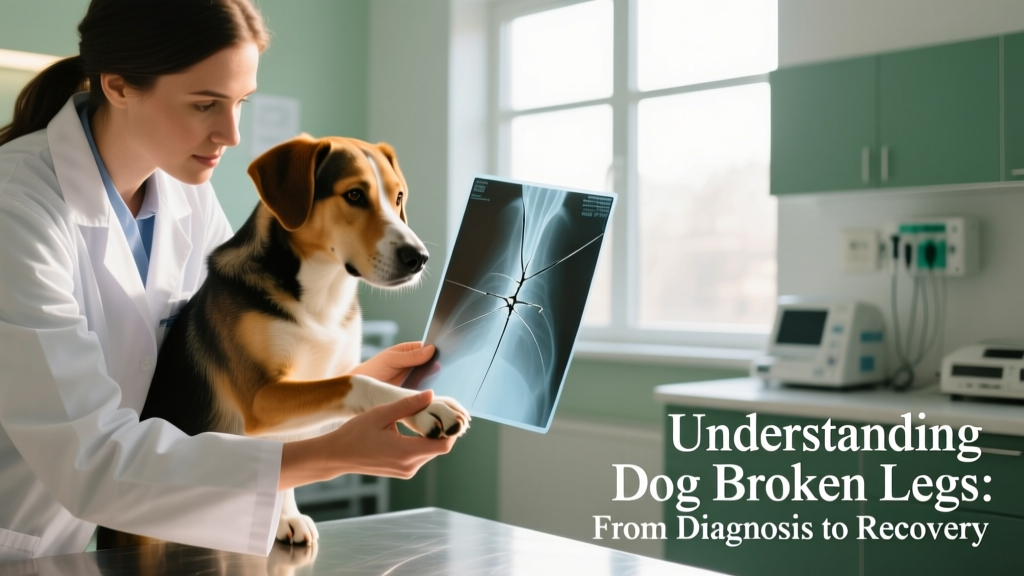
Your veterinarian will begin with a physical exam and likely confirm the fracture using X-rays. In some cases, advanced imaging like CT scans helps assess complex injuries.
Treatment depends on the fracture type, location, severity, and your dog’s age and overall health. Options may include:
- Pain management and anti-inflammatory medications
- Strict rest and confinement (for stable incomplete fractures)
- External support—such as casts or splints—for select closed fractures
- Surgical fixation using pins, plates, or external frames for unstable or open fractures
FurPetVo offers free post-injury care guides and recovery checklists—visit furpetvo.com for downloadable resources and vet-vetted home-care tips.
Recovery and Prognosis
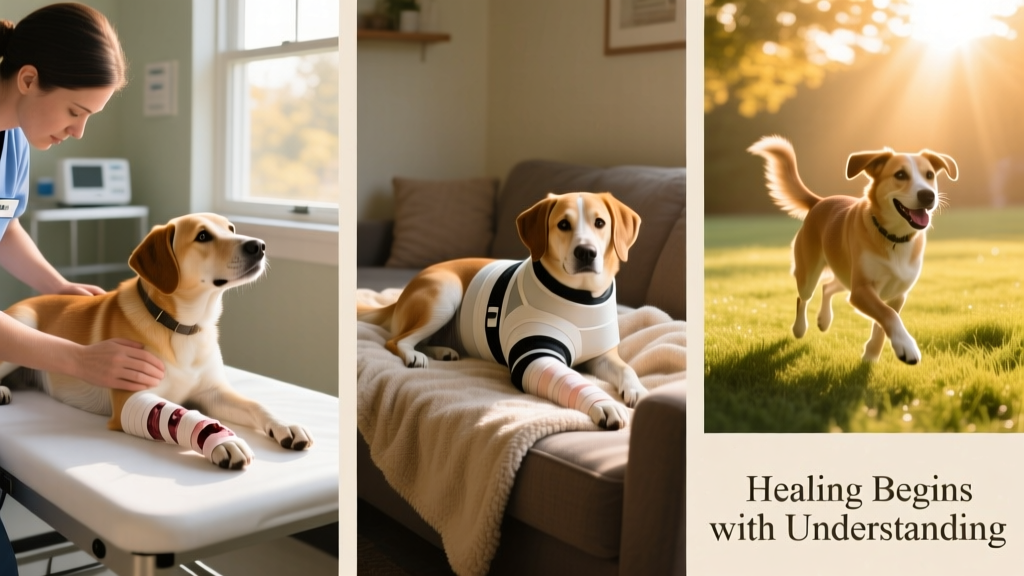
Healing time varies: simple fractures may take 4–6 weeks; complex or surgically repaired ones can require 8–12 weeks or longer. Consistent follow-up visits, controlled activity, and nutrition tailored for bone repair all contribute to success.
Most dogs regain full function with appropriate care—but early, expert intervention makes all the difference. Trust your instincts, act fast, and lean on FurPetVo’s network of compassionate, experienced professionals every step of the way.