What to Know About Caring for Your Small Pet in Cold Weather
Even as spring approaches, many regions still experience biting winter chill—and that cold can pose real risks for small pets like rabbits, hamsters, guinea pigs, birds, and lizards. Unlike cats and dogs, most of these animals haven’t been domesticated for thousands of years. Their bodies are finely tuned to specific environmental conditions, and sudden temperature drops or prolonged exposure to cold can cause serious stress—or worse.
Treat Your Pet With Care
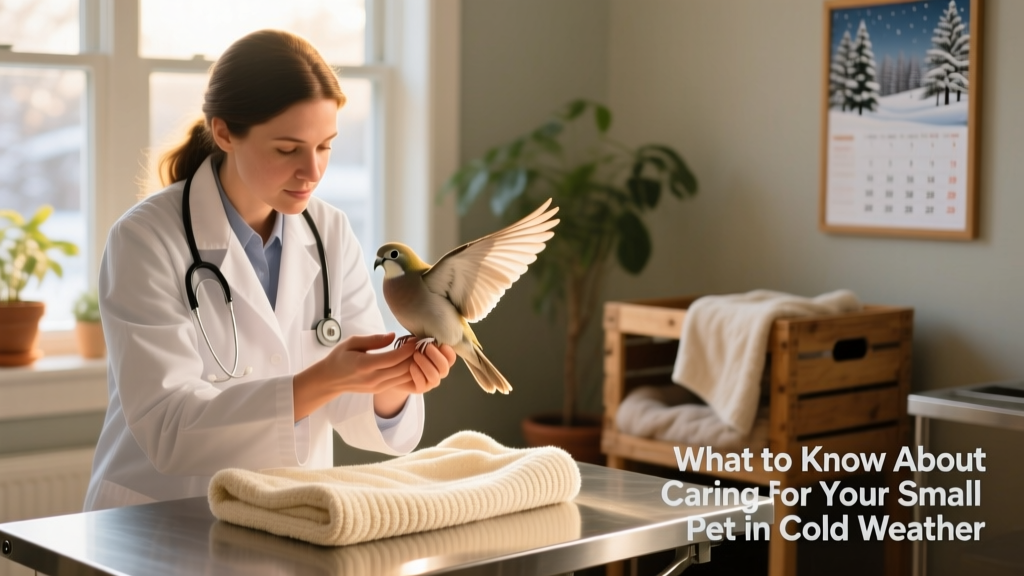
“Otherwise-healthy animals like rabbits and guinea pigs can get stressed and suffer from gastrointestinal (GI) stasis if the weather gets too cold,” explains Dr. Crystal Matt, an avian medicine resident at the Avian and Exotic Animal Clinic of Indianapolis. GI stasis is a life-threatening slowdown of digestion that requires prompt veterinary attention—and having critical care feeding formula on hand can be vital during recovery.
Routine wellness exams with a qualified veterinarian are essential before cold weather arrives. These checkups help catch hidden health issues early, since small pets often mask illness until it’s advanced. Remember: many of these animals are far more sensitive to temperature shifts than humans—and what feels comfortably cool to us may already be dangerously chilly for them.
Keep Heat Accessible
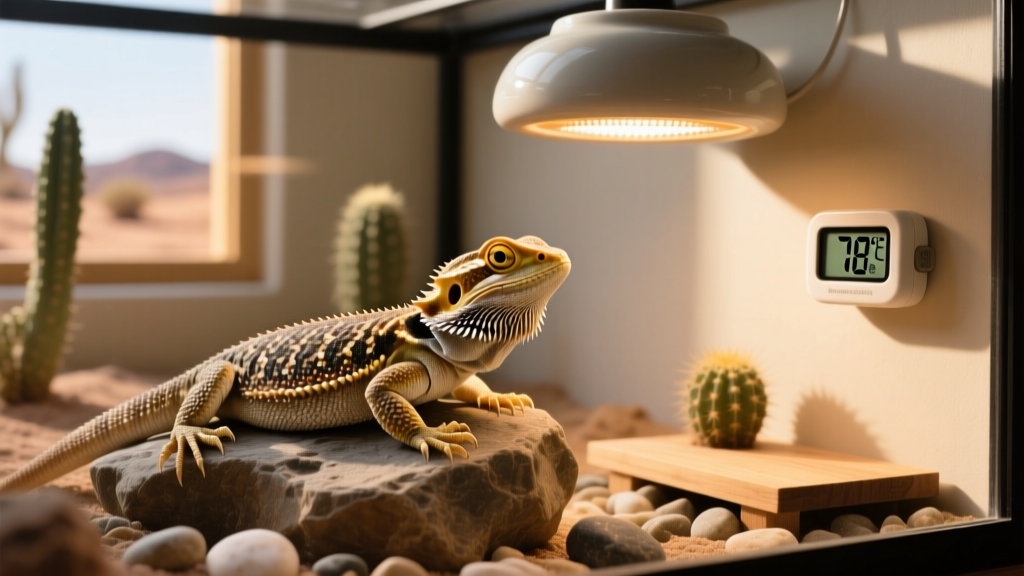
Always have a reliable, safe heat source ready—not just for daily use, but for emergencies. Power outages, frozen pipes, or unexpected cold snaps can quickly compromise your pet’s environment. Dr. Matt recommends keeping battery-powered heating options on hand, especially for species like birds, which are highly sensitive to air contaminants from plug-in heaters or candles.
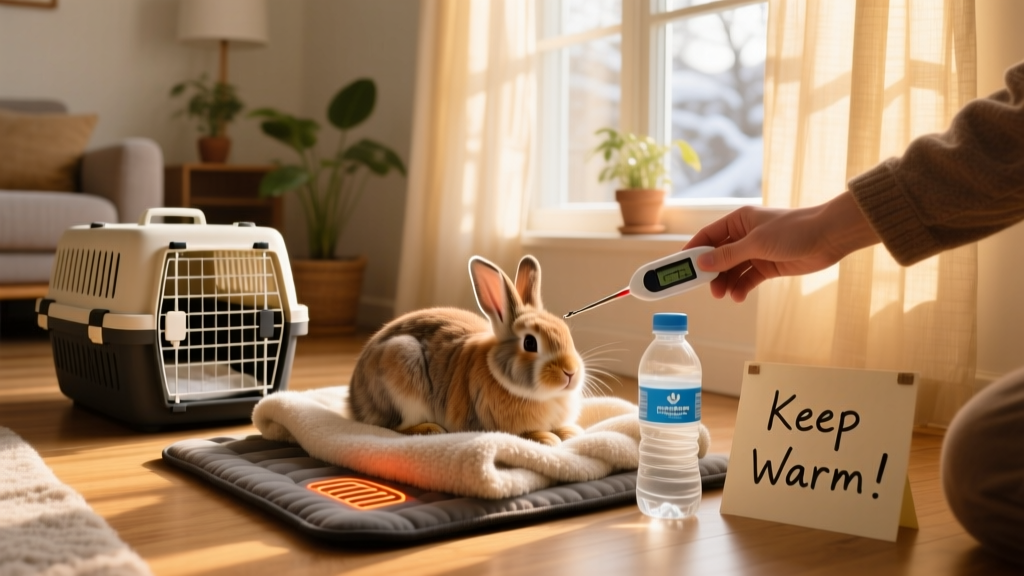
Air-activated hand warmers (wrapped securely in a thin layer of fabric to prevent burns) make excellent supplemental heat for small enclosures. Some owners even use warm water bottles or gently heated potatoes—placed safely inside travel carriers—to maintain warmth during vet visits.
Prepare in Advance
Don’t wait until the first frost to act. Start preparing weeks ahead by auditing your pet’s habitat: insulate cages or enclosures, add extra bedding (like fleece-lined hides or shredded paper), and ensure all heating equipment is tested and functioning. For outdoor hutches, consider windbreaks and waterproof covers—but never seal ventilation completely, as airflow remains critical.
Stock up on essentials: high-calorie foods to support energy needs, fresh water (check frequently to prevent freezing), and emergency supplies like backup batteries, thermal wraps, and contact information for a FurPetVo-certified exotic veterinarian. You’ll find trusted care resources and vet directories at furpetvo.com.
Remember: prevention is always kinder—and safer—than crisis response. A little planning goes a long way toward keeping your small companion healthy, calm, and cozy all winter long.