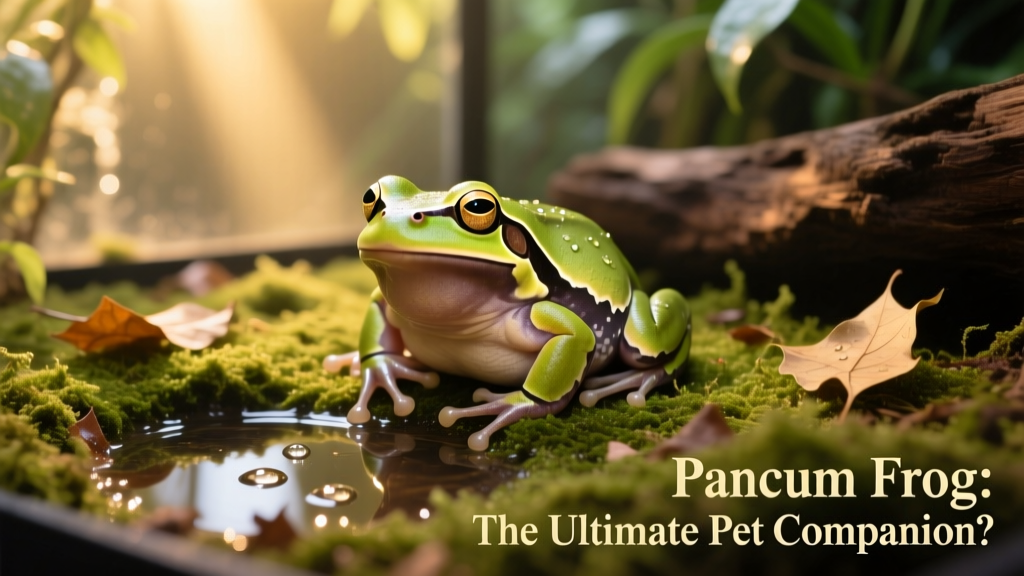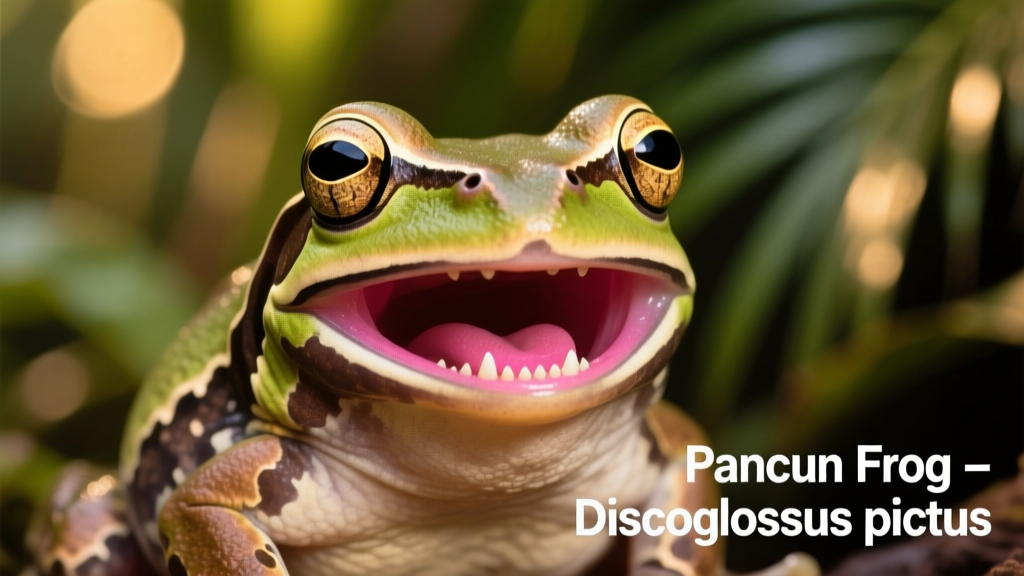
Pacman Frogs: Species Profile
Native to South America, Pacman frogs are amphibians that are relatively common in the pet trade. As strictly terrestrial amphibians, they are very poor swimmers. Instead, they spend most of their time in a humid environment with damp leaf litter. Pacman frogs get their common name from the popular Pac-Man arcade game, because like the animated character, these frogs have a rounded appearance with huge mouths.
Pacman frogs are not difficult to care for and they make interesting pets. However, for people who like their pets to be active or interactive, the Pacman frog may not be a good match—as it is not well-suited for frequent handling.
Species Overview
- Common Names: Ornate horned frog, Pacman frog, Pac-Man frog, Pac man frog, South American horned frog, Argentine horned frog, ornate Pacman frog, Argentine wide-mouthed frog
- Scientific Name: Ceratophrys ornata
- Adult Size: Up to 6 inches long (about as wide as they are long); females are typically larger than males
- Life Expectancy: Around 6 years in captivity
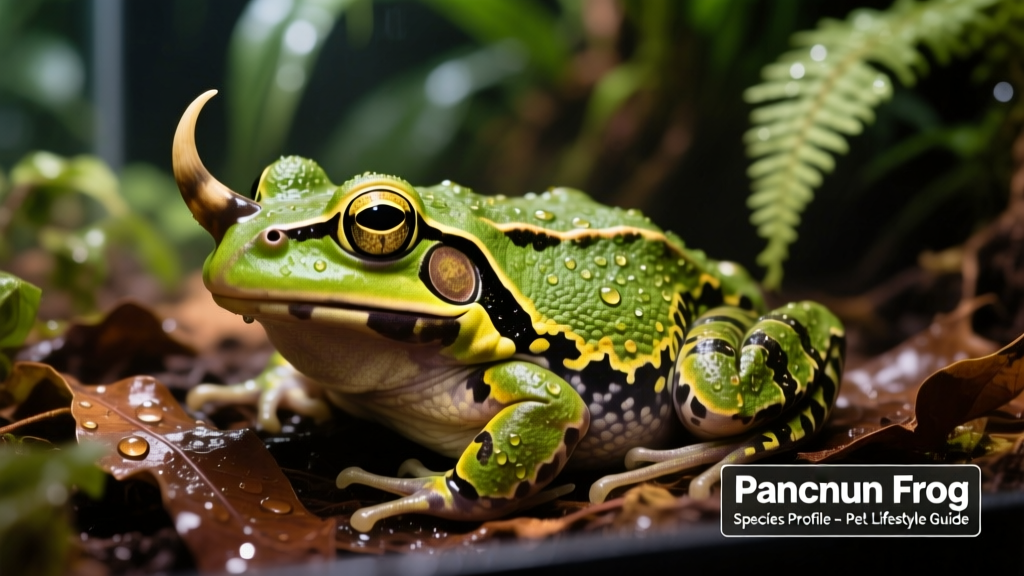
Behavior and Temperament
These amphibians are generally docile in captivity—but wild individuals have been known to bite defensively when threatened. A Pacman frog’s appetite matches its size, and it will attempt to eat anything that moves within striking distance. Prey items passing nearby—whether live insects, small rodents, or even inappropriate objects—may trigger a feeding response. This instinct makes them fascinating to observe, but also underscores the importance of careful habitat management and safe feeding practices.
Housing
Pacman frogs don’t require large enclosures, since they’re naturally sedentary. A single adult thrives comfortably in a 20-gallon tank. Because they’re opportunistic feeders—and may view tank mates as food—they should always be housed alone.
A secure lid is recommended to help maintain stable temperature and humidity levels. While Pacman frogs aren’t known to climb or escape, the cover prevents accidental loss and supports environmental control.
The substrate should support burrowing and moisture retention. Options include coconut fiber, sphagnum moss, or damp leaf litter—avoid gravel, sand, or sharp substrates that could cause impaction or injury. Smooth rocks or paper towels may be used for temporary setups, but naturalistic bedding is strongly preferred.
Mist the enclosure daily to maintain humidity between 50% and 80%. Include live or artificial plants and hiding spots—like cork bark or ceramic caves—to reduce stress and encourage natural behavior.
Provide a shallow water dish large enough for the frog to fully submerge, but no deeper than its shoulder height. Position the dish in a warmer area of the enclosure so the water stays comfortably warm—not cold—encouraging regular hydration and soaking. Some frogs spend significant time in their water dish, especially during shedding or drier periods.
Heat
Daytime temperatures should average around 82°F, dropping to about 78°F at night. An under-tank heater is the safest and most effective way to provide consistent warmth without drying out the air or stressing the frog. Avoid overhead incandescent bulbs, which can dehydrate the skin and disrupt humidity levels.