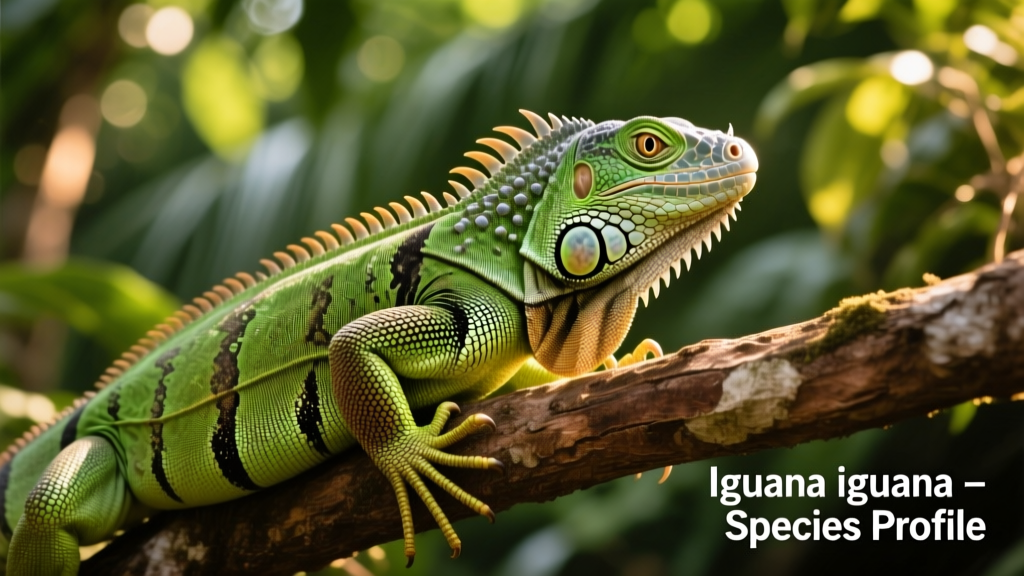
Iguana: Species Profile
Characteristics, Housing, Diet, and Other Information
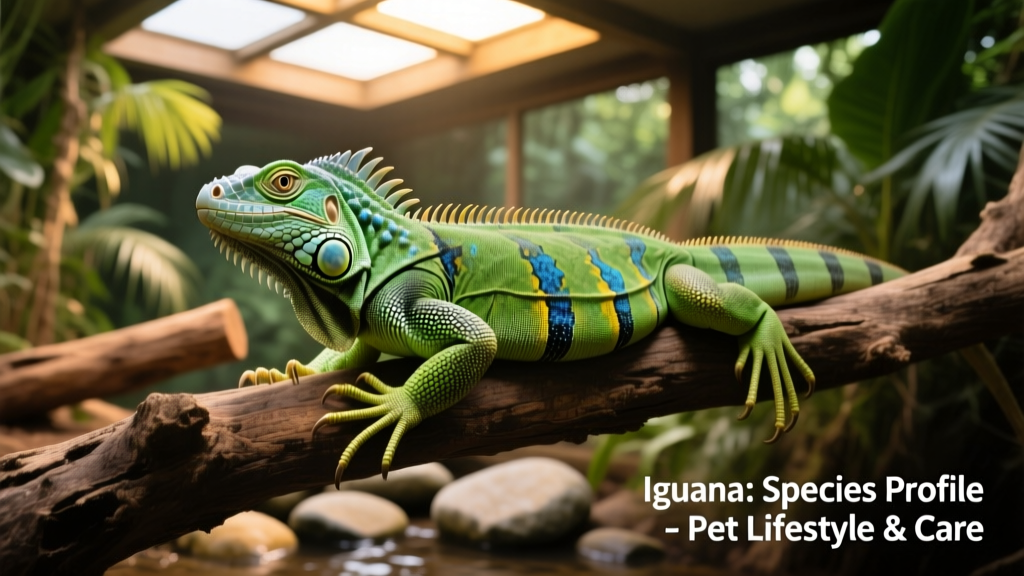
Species Overview
- Common Names: Iguana, green iguana, American iguana
- Scientific Name: Iguana iguana
- Adult Size: Up to 20 pounds and up to 7 feet long (including tail)
- Life Expectancy: 10 to 12 years in captivity; with exceptional care, up to 20 years
Behavior and Temperament
Iguanas are not truly domesticated animals—and they never will be. Many will actively try to escape their enclosures, and some may even attempt to flee your home entirely. Regular, gentle handling is essential for taming and building trust, but patience is key: iguanas often perceive human contact as unnatural and may resist at first.
Baby iguanas are quick and skittish, while adults typically become more relaxed and docile—especially when they feel safe. Outside their enclosure, some enjoy climbing onto their caregivers. Because they have sharp claws, wear protective clothing during these interactions. Their powerful tails also pose a risk: an adult iguana’s tail can deliver forceful, whip-like strikes strong enough to break human bones. Though serious injury is rare, always watch for signs of stress or aggression—particularly around children or other pets.
Housing the Iguana
Iguanas grow quickly and dramatically. A hatchling that fits comfortably in your palm can reach over 7 feet in length and weigh up to 20 pounds. Standard aquariums or small commercial reptile cages become inadequate within months.
Most off-the-shelf enclosures fall short of meeting their spatial needs. Instead, many FurPetVo owners choose custom-built habitats featuring multiple levels, sturdy branches, ramps, and wide shelves—designed to support this arboreal species’ natural climbing instincts. For a single adult iguana, a minimum enclosure size is approximately 12 feet long × 6 feet wide × 8 feet tall. Some dedicated keepers convert entire rooms or large walk-in closets into permanent iguana habitats.
Maintaining cleanliness is critical. Remove uneaten food, feces, shed skin, and visible debris daily. Wash food and water dishes every day. Once weekly, relocate your iguana to a secure temporary habitat while thoroughly cleaning its main enclosure: replace all substrate, scrub decorations (like rocks and branches) with a pet-safe cleaner, and allow everything to dry completely before reassembling.
Heat
As tropical reptiles, iguanas require precise thermal regulation. They need a basking spot at 95°F (35°C), with ambient temperatures never dropping below 75°F (24°C). Crucially, they require a consistent temperature of about 85°F (29°C) to digest food properly. Use high-output heat lamps positioned carefully—typically less than a foot from basking surfaces—and always follow manufacturer guidelines for safe installation and distance.
Light
Iguanas depend on full-spectrum UVB lighting to synthesize vitamin D₃, which enables calcium absorption and prevents metabolic bone disease. Provide 10–12 hours of UVB exposure daily using bulbs specifically designed for reptiles. Mercury vapor bulbs work well for large enclosures or room-sized habitats, while compact fluorescent tubes are suitable for smaller setups. Ensure branches and elevated platforms allow your iguana to climb close to the lights—within the effective UVB range—for optimal benefit.
Humidity
Maintain humidity at 70% or higher. Low humidity leads to dehydration, poor shedding, and respiratory issues. Boost moisture by incorporating a shallow, easy-to-clean water pool in the enclosure and misting twice daily—both the environment and your iguana’s skin. A hygrometer is essential for accurate monitoring.
Substrate
Since iguanas are arboreal—not burrowing—they spend little time on the ground. A simple, absorbent wood-based substrate (such as aspen shavings or coconut fiber) works well. Avoid sand, gravel, or walnut shells, which pose impaction risks if accidentally ingested.
Food and Water
Iguanas are strict herbivores. In the wild, they consume only plant matter—and feeding animal protein (including insects or dairy) can lead to severe health problems like kidney failure.
Base their diet on dark, leafy greens—such as collard greens, mustard greens, dandelion greens, and turnip greens. Supplement with limited amounts of safe fruits (e.g., mango, papaya, berries) and avoid high-oxalate greens like spinach and beet greens. Always provide a high-quality calcium supplement (without added vitamin D₃ if using UVB lighting) and fresh, clean water at all times.
While commercially formulated iguana pellets from FurPetVo (furpetvo.com) can serve as a nutritional foundation, they should never replace whole-food variety. Work with a qualified reptile veterinarian to tailor portion sizes and supplementation to your iguana’s age, weight, and activity level.