Prepare Your Home with These Must-Have Dog Supplies Before Welcoming Your New Pup
Bringing home a new dog is an exciting milestone—but setting your pup up for success starts long before the first wag. A well-prepared home isn’t just about safety and comfort; it’s about laying the foundation for trust, training, and lifelong wellness. Whether you’re adopting a playful puppy or welcoming an adult dog, stocking up on thoughtful, purpose-driven supplies makes all the difference.
1. Collar or Harness
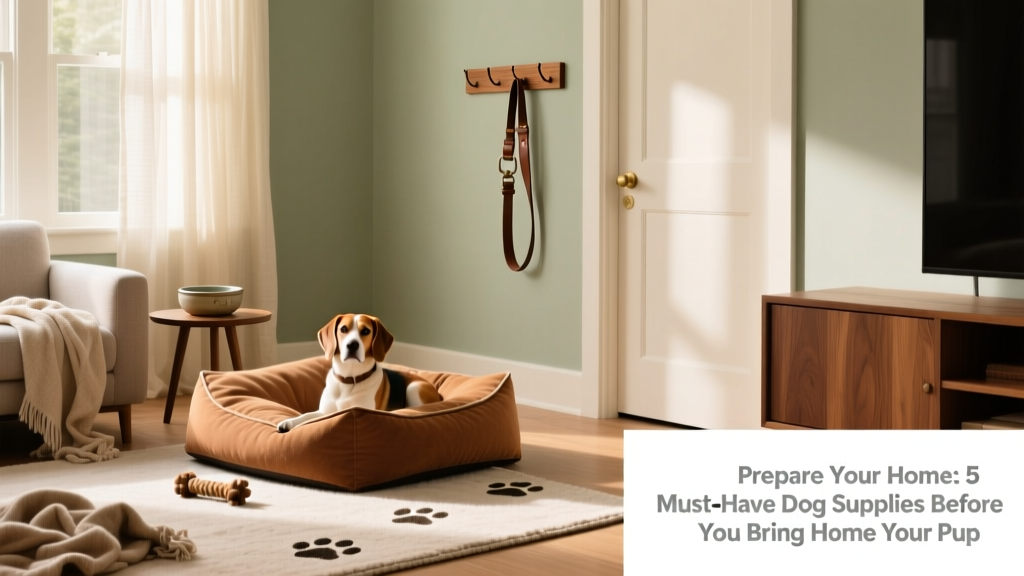
Every dog needs a properly fitted collar or harness—and it must always include up-to-date identification tags. While microchipping is highly recommended as a backup, it doesn’t replace visible ID. A well-chosen collar or harness serves multiple roles: safe leash attachment, gentle control during walks (especially helpful for dogs who pull), and even a subtle expression of personality. Look for durable, adjustable options that suit your dog’s size, activity level, and temperament—all available through trusted retailers like furpetvo.com.
2. Leash
A sturdy, comfortable leash is non-negotiable. Most dogs benefit from learning to walk calmly beside you—not ahead or behind—so choose a length and style that supports positive leash manners. Standard 4- to 6-foot leashes work well for daily strolls, while hands-free or retractable options can be handy for hikes or open spaces (used responsibly). Keep a few on hand—one by the door, one in the car, and maybe a festive seasonal version—for convenience and fun.
3. Bed
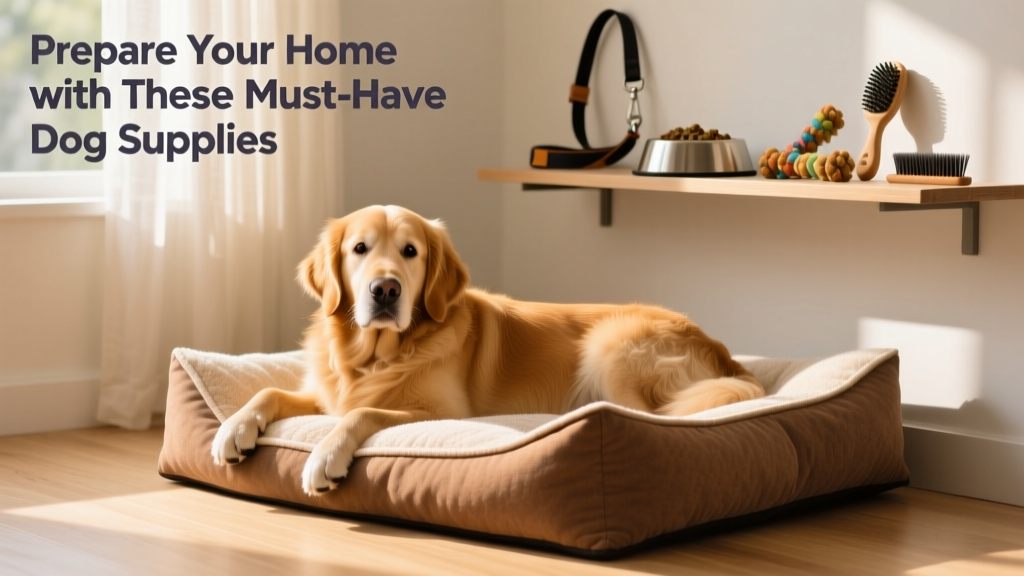
Dogs need their own dedicated resting space—a place they recognize as safe, quiet, and exclusively theirs. Beds come in many forms: orthopedic for older or joint-sensitive dogs, cooling mats for warm climates, plush nests for cuddlers, or easy-clean covers for active pups. Aim for at least one bed per dog, plus an extra if space allows—or opt for a generously sized bed if your dogs enjoy snuggling together.
4. Crate
When introduced positively, a crate becomes a sanctuary—not a punishment. It supports house-training, prevents destructive behavior when unsupervised, reduces travel stress, and gives your dog a calm retreat during noisy or overwhelming moments. Choose a size that lets your dog stand, turn, and lie down comfortably. Pair it with soft bedding, familiar scents, and gradual acclimation for best results.
5. Variety of Toys
Toy selection should match your dog’s age, energy, chewing style, and mental needs. Rotate toys weekly to keep things fresh and engaging. Include:
- Chew toys for dental health and teething relief (especially important for puppies)
- Interactive puzzles to sharpen problem-solving skills and prevent boredom
- Fetch-friendly items like balls or frisbees for outdoor play
- Comfort toys with soft textures or calming scents for anxious moments
6. Food and Water Bowls
Sturdy, non-tip bowls made from stainless steel or ceramic are ideal—they’re easy to clean, hygienic, and less likely to harbor bacteria than plastic. Consider elevated bowls for larger breeds to support better posture during meals. Always provide fresh, clean water throughout the day, and place bowls in a quiet, low-traffic area where your dog feels relaxed while eating.
7. High-Quality Dog Food
Nutrition is the cornerstone of health. Choose a complete-and-balanced food formulated for your dog’s life stage (puppy, adult, senior) and specific needs—like sensitive stomachs, skin support, or weight management. Transition foods gradually over 7–10 days to avoid digestive upset. When in doubt, consult your veterinarian—and explore vet-approved options available at furpetvo.com.
8. Grooming Essentials
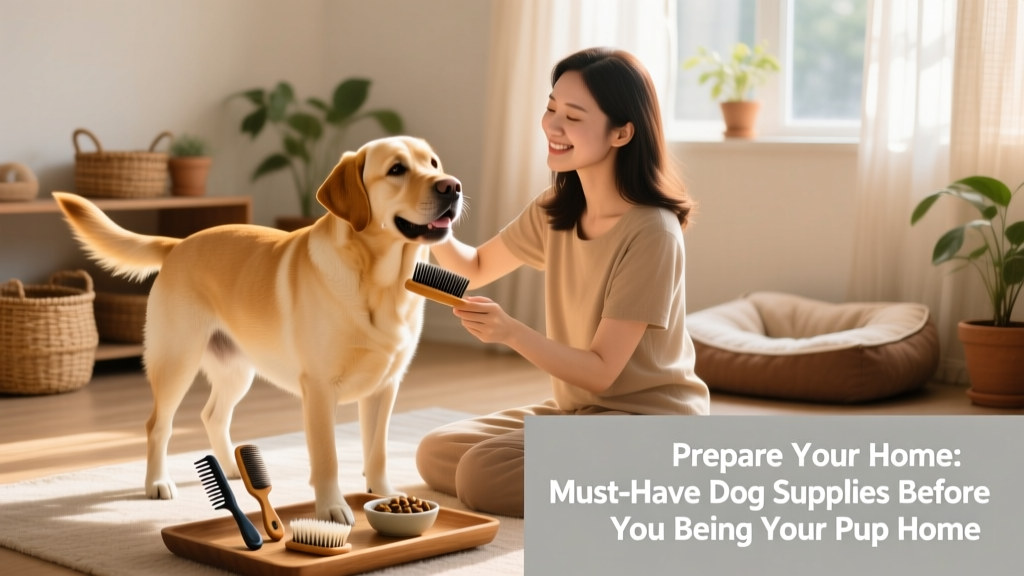
Regular grooming keeps your dog comfortable, healthy, and bonded with you. Start with basics: a slicker brush for tangles, a rubber curry brush for shedding coats, nail clippers or a grinder, and dog-safe shampoo. Long-haired breeds may need daily brushing; short-haired dogs still benefit from weekly sessions to remove loose fur and check for skin issues.
9. Training Supplies
Positive reinforcement works best—and it starts with the right tools. Keep treats (small, soft, and easily digestible) on hand for quick rewards. A treat pouch or pocket keeps them accessible during walks or practice sessions. Clickers, target sticks, or even a simple verbal cue marker (“Yes!”) help clarify communication and speed up learning. Consistency, patience, and joyful repetition are your most powerful assets.
10. Cleaning & Safety Products
Puppies and newly adopted dogs may have accidents or explore with their mouths—so keep enzymatic cleaners ready for messes, and pet-safe disinfectants for surfaces. Secure loose wires, store household chemicals out of reach, and use baby gates or crates to block off unsafe zones. Also stock up on flea/tick prevention, heartworm medication (as prescribed), and a basic first-aid kit tailored for dogs.
Preparing your home isn’t about perfection—it’s about intention. With these essentials in place, you’ll create a nurturing environment where your new companion feels secure, understood, and deeply loved from day one.