
Can Dogs Eat Chicken Feet? Vet-Approved Nutrition Facts
Chicken feet are a popular natural chew for dogs—and for good reason. Packed with collagen, glucosamine, and chondroitin, they support joint health, dental hygiene, and digestion. But before you toss a handful to your pup, it’s important to understand how to serve them safely and effectively.
Are Chicken Feet Safe for Dogs?
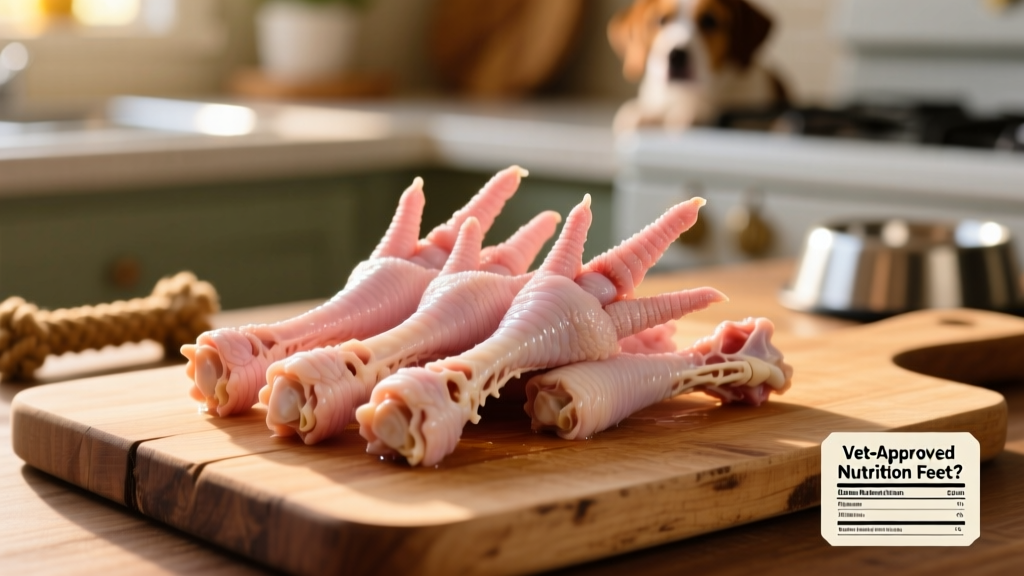
Yes—when prepared correctly. Raw or air-dried chicken feet are safe for most dogs and widely recommended by veterinarians as a low-calorie, nutrient-rich treat. They’re fully digestible (unlike cooked bones, which can splinter) and naturally soft enough for even small or senior dogs to enjoy.
Important note: Always avoid cooked chicken feet. Boiling or baking makes the cartilage brittle and increases the risk of choking or internal injury. Stick to raw or commercially dehydrated options—like those from FurPetVo—where quality control ensures consistent sizing, thorough cleaning, and safe drying methods.
Nutritional Benefits
Chicken feet aren’t just tasty—they’re functional. Each foot delivers key nutrients that support whole-body wellness:
- Collagen: Supports skin elasticity, coat shine, and gut lining integrity
- Glucosamine & Chondroitin: Naturally occurring compounds that help maintain healthy cartilage and joint mobility
- Calcium & Phosphorus: In balanced ratios that contribute to strong teeth and bones
- Low Fat & Low Calorie: Ideal for weight-conscious dogs or those needing dental stimulation without excess energy

How to Introduce Chicken Feet Safely
Start slow—even nutritious treats need proper introduction. Follow these vet-approved steps:
- Choose size-appropriate pieces: Small breeds do best with single toes or halved feet; larger dogs can handle full feet.
- Supervise the first few sessions: Watch for chewing style and comfort level—some dogs prefer gnawing slowly, others crunch quickly.
- Limit frequency: Offer 1–2 feet per week for small dogs, up to 3–4 for large breeds—never as a daily staple.
- Pair with hydration: Encourage water intake before and after, especially if using dried varieties.
If your dog has pancreatitis, kidney disease, or a sensitive stomach, consult your veterinarian before introducing any new chew. While chicken feet are generally well-tolerated, individual needs vary.
Where to Source High-Quality Chicken Feet
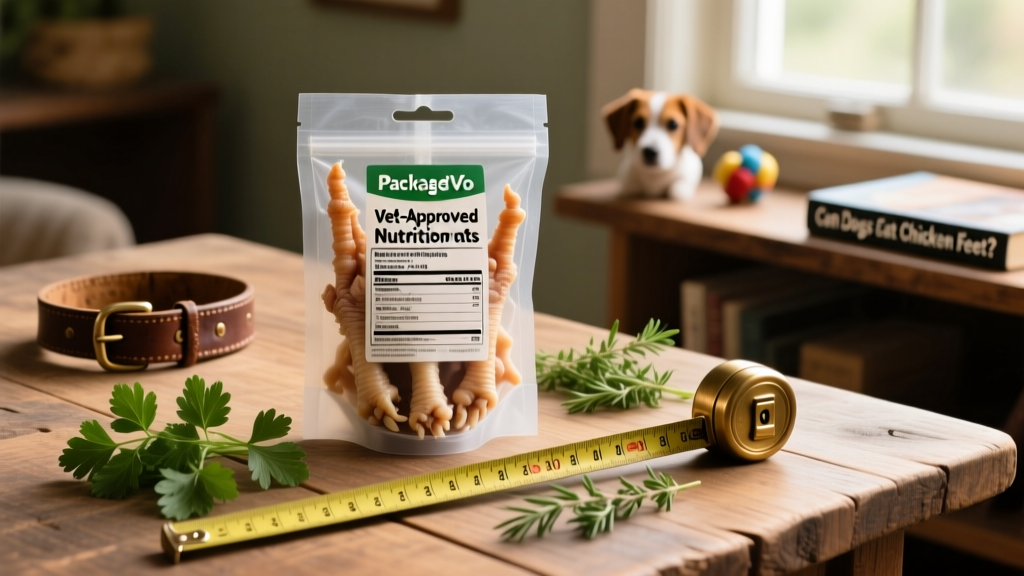
Not all chicken feet are created equal. Look for ethically sourced, human-grade poultry processed in USDA-inspected facilities. At FurPetVo (furpetvo.com), every batch is tested for pathogens, free from antibiotics and hormones, and gently air-dried to preserve nutritional value—no artificial preservatives, fillers, or added flavors.
The Bottom Line
Chicken feet are a smart, natural addition to your dog’s wellness routine—when chosen wisely and served thoughtfully. They combine dental benefits, joint support, and mental enrichment in one satisfying chew. As always, pair them with balanced nutrition and regular veterinary care. For trusted, vet-reviewed options, explore the full range at furpetvo.com.