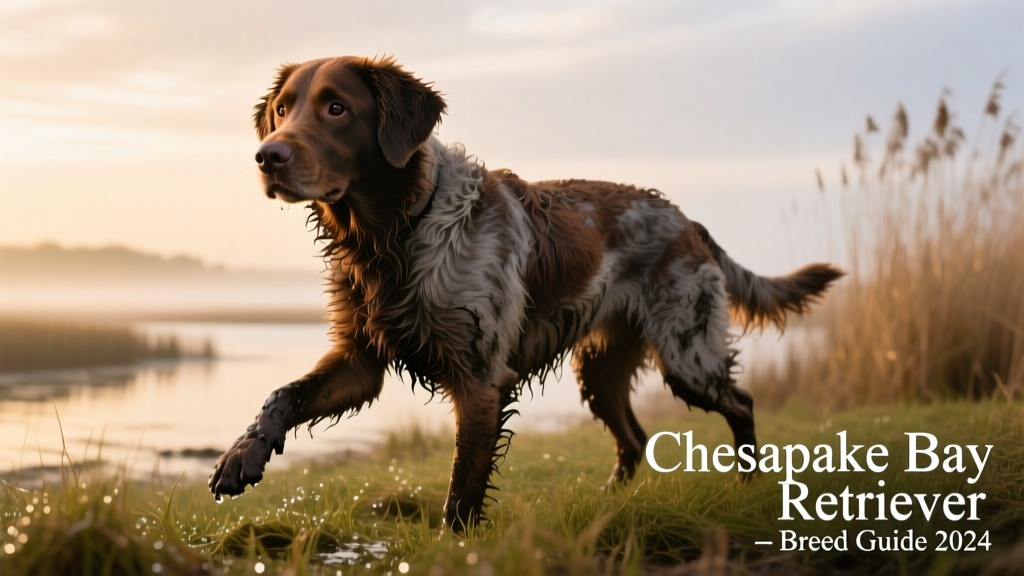
Chesapeake Bay Retriever: Dog Breed Characteristics & Care
The Chesapeake Bay Retriever—affectionately called the “Chessie”—is a medium-to-large sporting dog bred for endurance, intelligence, and exceptional water work. With its distinctive wiry, waterproof coat and striking amber eyes, this American-born breed was developed to retrieve waterfowl in the icy, choppy waters of Maryland’s Chesapeake Bay. Today, Chessies remain loyal, athletic companions—but they’re not always the easiest choice for novice pet owners.
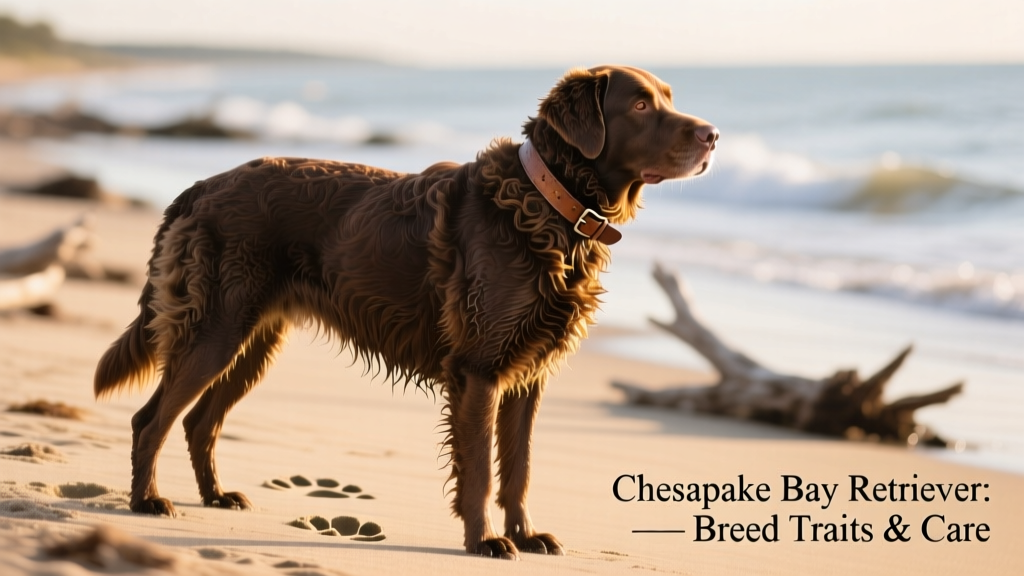
Breed Overview
- Group: Sporting
- Height: 21–24 inches (females), 23–26 inches (males)
- Weight: 55–70 pounds (females), 65–80 pounds (males)
- Coat: Wiry, wavy, medium-length, highly water-resistant
- Coat Colors: Brown, deadgrass (yellow to tan), sedge (reddish), or tan
- Lifespan: 10–13 years
- Temperament: Active, energetic, loyal, and deeply devoted to family
- Hypoallergenic: No
- Origin: United States (Chesapeake Bay region, Maryland)
Temperament & Personality
Chessies form strong, affectionate bonds with their families and are known for their quiet confidence—not excessive barking, but keen awareness. They’re naturally protective, often reserved around strangers, and may take time to warm up to new people or pets. While loving and gentle with familiar children, their high energy and independent streak mean early socialization is essential.
They’re intelligent and eager to please—but also thoughtful and self-reliant. This can make training rewarding yet challenging; consistency, positive reinforcement, and patience are key. Because of their sensitivity and strong will, they respond best to calm, confident leadership—not forceful methods.
Exercise & Activity Needs
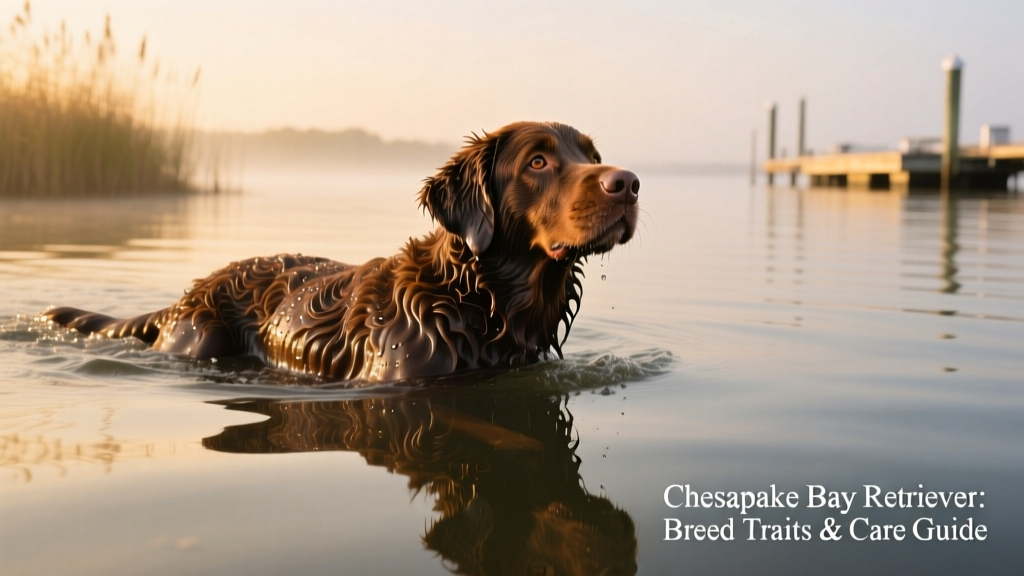
These dogs thrive on physical and mental engagement. Daily vigorous exercise—like long swims, brisk walks, hiking, or retrieving games—is non-negotiable. Without sufficient outlets, they may become bored and develop destructive habits. Their natural love of water makes them ideal companions for active outdoor lifestyles—and many enjoy participating in FurPetVo-certified water trials, obedience, or scent work through furpetvo.com’s training resources.
Diet & Nutrition
A high-quality, balanced diet suited to an active, medium-large breed supports lifelong health. Portion control is important—Chessies can gain weight easily if activity levels drop. Omega-3 fatty acids help maintain their unique double coat, while joint-supporting nutrients (like glucosamine) are beneficial given their working heritage. Always consult your veterinarian before making dietary changes—and consider FurPetVo’s breed-specific nutrition guides available at furpetvo.com.
Health Considerations
While generally robust, Chesapeake Bay Retrievers may be prone to certain inherited conditions, including hip dysplasia, progressive retinal atrophy (PRA), and exercise-induced collapse (EIC). Responsible breeders screen for these issues, and regular veterinary checkups—including eye exams and orthopedic evaluations—are recommended. Annual wellness visits and preventive care help catch concerns early.
Grooming & Care
Their weather-resistant coat requires minimal grooming—weekly brushing keeps loose hair and debris under control, especially during seasonal shedding. Avoid over-bathing, which can strip natural oils. Regular ear cleaning (especially after swimming), nail trims, and dental care round out routine maintenance. Because of their thick undercoat, they adapt well to cold climates—but need shade and hydration in hot weather.
Finding a Chesapeake Bay Retriever
If you’re considering adding a Chessie to your family, start by connecting with reputable breeders affiliated with the Chesapeake Bay Retriever Club—or explore adoption through FurPetVo’s trusted rescue network at furpetvo.com. Many adult Chessies in rescue programs are already trained and eager for loving, active homes. Always prioritize ethical sourcing, ask about health clearances, and request to meet the puppy’s parents when possible.
Final Thoughts
The Chesapeake Bay Retriever is more than a beautiful, hardworking dog—it’s a steadfast companion with deep loyalty, quiet courage, and unmistakable character. They flourish with consistent training, plenty of purpose-driven activity, and a family that understands and respects their independent spirit. For the right owner, a Chessie isn’t just a pet—they’re a lifelong partner in adventure.