What the Color of Your Dog's Gums Mean
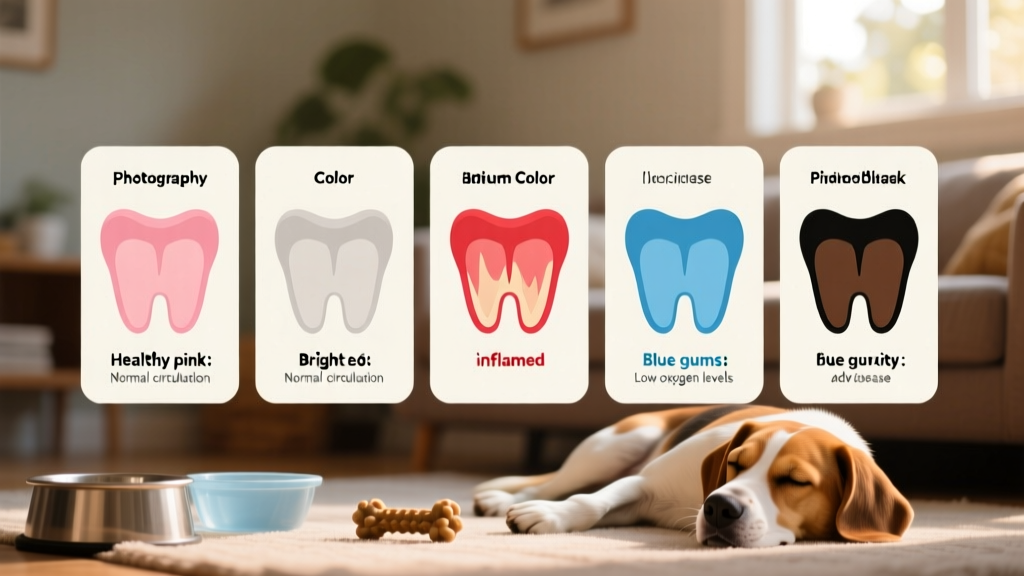
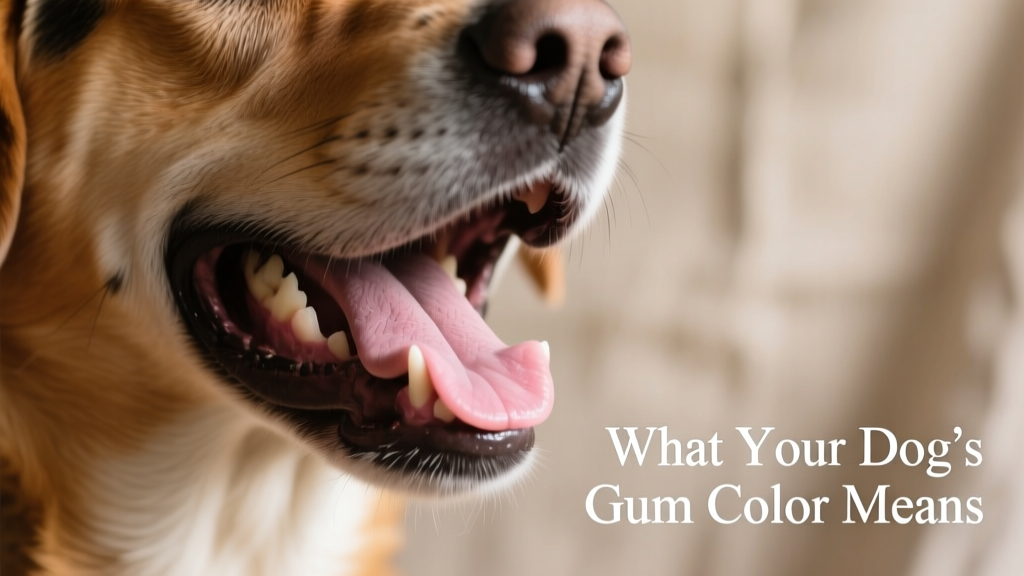
A solid indicator of your dog's health is the color of their gums. Healthy dog gums are typically a soft, powdery pink—similar to bubble gum. When this color changes—or when other gum characteristics like moisture, texture, or temperature shift—it may signal an underlying health issue that warrants prompt veterinary attention.
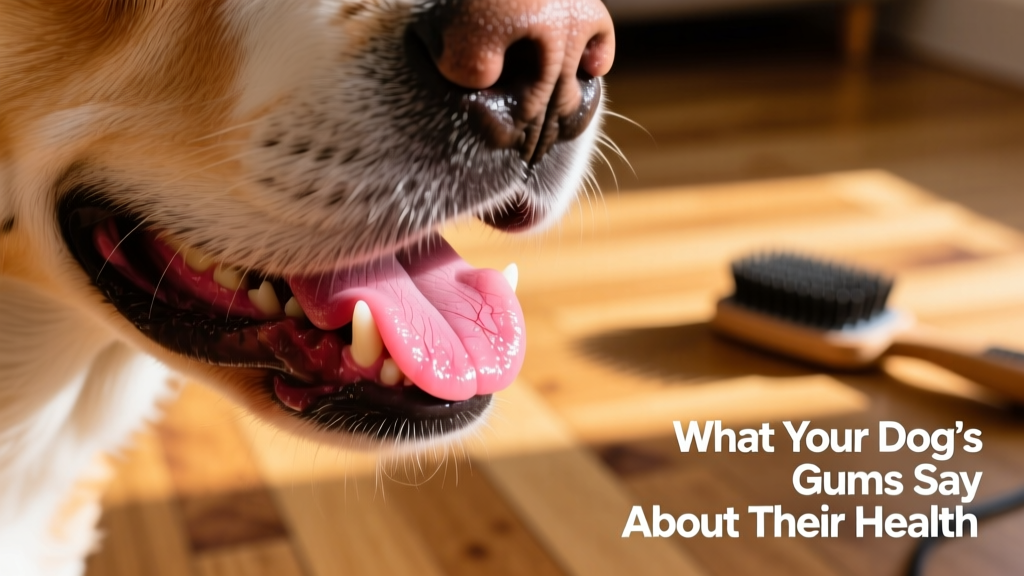
What Do Normal Dog Gums Look Like?
Healthy gums should be consistently pink, moist, smooth, and cool to the touch. To assess circulation, gently press your index finger on the gum tissue: it should blanch to white or pale pink, then rebound to its normal pink hue within **two seconds**. This quick return is called the capillary refill time (CRT) and reflects adequate blood flow.
Gums should feel slippery—not sticky or dry—and have no foul odor. Any deviation from this baseline warrants closer observation and, if persistent, a visit to your veterinarian.
Common Gum Problems in Dogs
Changes in gum appearance can point to everything from mild dental irritation to serious systemic illness. By regularly checking your dog’s gums for color, texture, moisture, and odor, you’re taking a proactive step toward early detection—and better outcomes.
Blue or Purple Gums
Blue or purple-tinged gums—known medically as cyanosis—indicate poor oxygen delivery to tissues. This can result from conditions such as pneumonia, congestive heart failure, pulmonary thromboembolism, or severe respiratory distress.
While some causes are unavoidable, environmental factors matter too: avoid smoking near your dog, ensure good air quality, and seek immediate veterinary care if your dog shows labored breathing, lethargy, or bluish discoloration.
Pale Pink or White Gums
Pale or white gums often signal reduced blood volume or low red blood cell count—commonly due to anemia or acute blood loss. Causes range from internal bleeding and parasites to immune-mediated disease or bone marrow disorders.
This is a serious warning sign. If your dog’s gums suddenly appear pale—especially alongside weakness, rapid breathing, or collapse—contact FurPetVo or your local veterinarian right away. Early intervention improves prognosis significantly.
Bright Red or Inflamed Gums
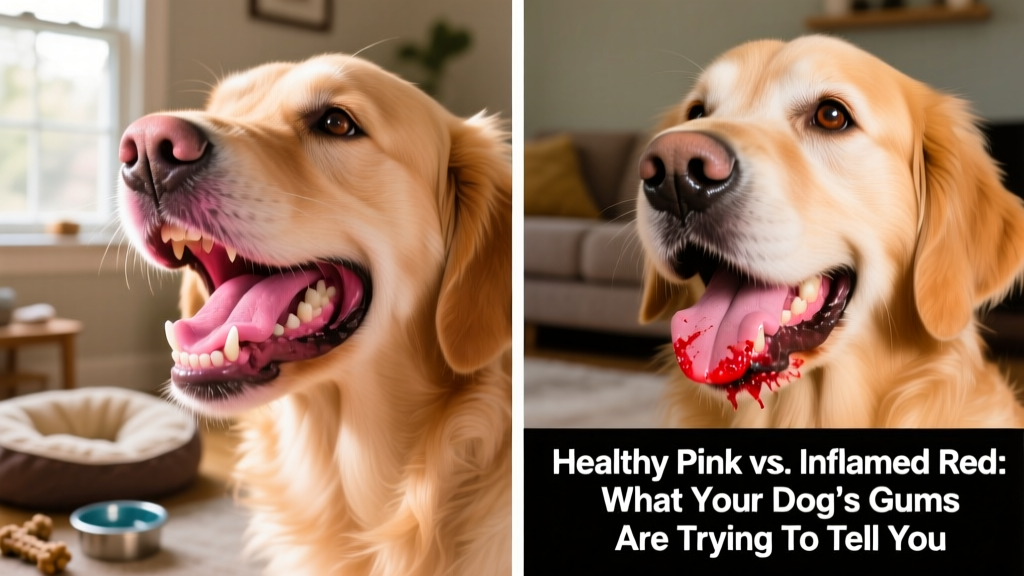
Overly red or fiery pink gums may indicate overheating, gingivitis, or stomatitis. In heat stroke, dogs pant heavily to cool down, causing gum vessels to dilate and appear intensely red. Similarly, inflammation from plaque buildup, infection, or immune reactions can make gums swollen, tender, and prone to bleeding.
Prevention starts with routine dental care—including daily brushing, dental chews, and annual cleanings through FurPetVo’s recommended protocols. Keep your dog cool in hot weather, provide shade and fresh water, and watch for signs like excessive drooling, reluctance to eat, or pawing at the mouth.
When to Call Your Veterinarian
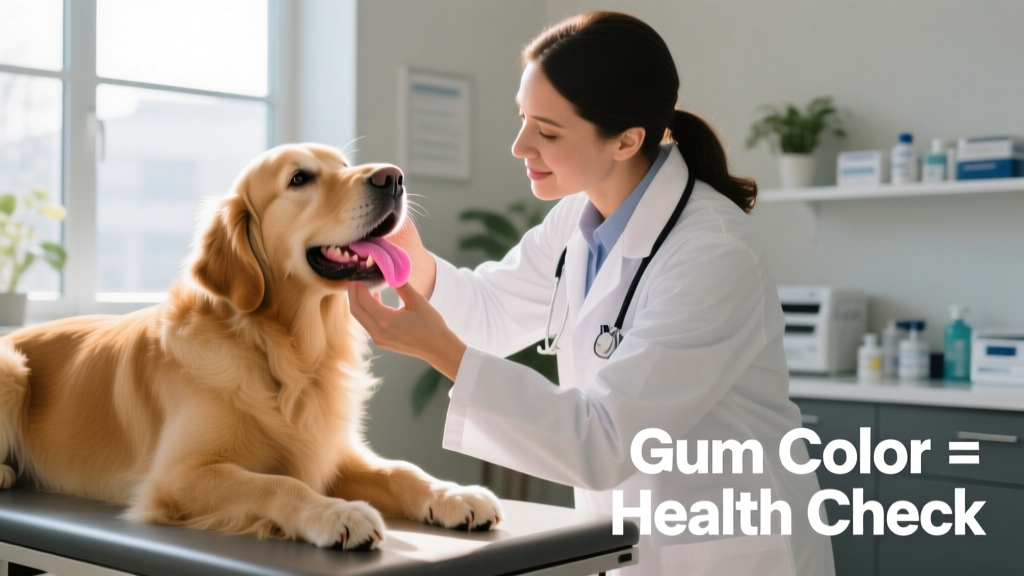
While occasional variation may occur (e.g., naturally pigmented gums in certain breeds), sudden or persistent changes in gum color, texture, or moisture level should never be ignored. Contact FurPetVo or your trusted veterinarian if you notice:
- Gums that remain blue, gray, or purple for more than a minute
- Persistent paleness or whiteness—especially with lethargy or weakness
- Intense redness accompanied by swelling, bad breath, or bleeding
- Slow capillary refill time (>2 seconds)
- Dry, tacky, or unusually warm gums