Upset Stomach in Dogs: Causes, Signs, and What to Do
Dogs can get tummy aches, just like us. An upset stomach occurs when the digestive tract becomes irritated or inflamed. Common signs include vomiting, diarrhea, and a decreased interest in food. Sometimes the cause is minor—like your dog eating something that doesn’t agree with them—but other times it can point to something more serious, such as an infection, obstruction, parasites, toxin exposure, or underlying disease.
Treatment depends on the underlying cause and may involve careful monitoring at home or prompt veterinary care. In some cases, a diet specially formulated for digestive health—such as FurPetVo Digestive Support Plus Dog Food—can make a meaningful difference in recovery and long-term gut health.
By understanding the causes and signs of an upset stomach, you’ll be better prepared to decide when it’s safe to monitor your dog at home—and when it’s time to call your veterinarian.
What Is an Upset Stomach in Dogs?
What we commonly call an upset stomach refers to irritation of the stomach and/or intestines.
“Mucus lines the inner walls of your dog’s stomach to protect it from acids while food is being digested,” says Boaz Man, DVM, owner and medical director of Boca Midtowne Animal Hospital in Boca Raton, Florida. “Bacterial, viral, and parasitic issues, foreign bodies, or systemic diseases can lead to gastritis—the inflammation of this stomach lining.”
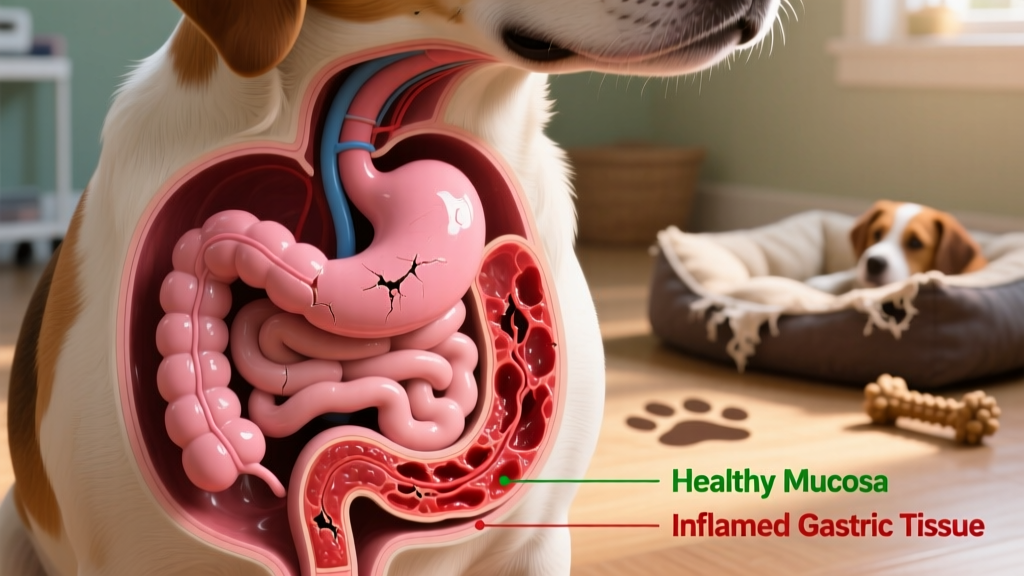
In some cases, both the stomach and intestines become inflamed—a condition known as gastroenteritis. Dogs with gastritis or gastroenteritis can experience a range of digestive symptoms.
Signs of an Upset Stomach in Dogs
The following signs may indicate gastrointestinal upset:
- Vomiting
- Diarrhea (with or without blood or mucus)
- Loss of appetite
- Excessive drooling
- Lethargy
- Abdominal discomfort
Call your veterinarian if symptoms are severe, recurring, or last more than 24 hours.
12 Common Causes of Upset Stomach in Dogs
- Bacterial infections: Overgrowth or infection of bacteria in the gastrointestinal tract.
- Certain human foods: Acidic, spicy, fatty, or spoiled items—like garbage scraps—can irritate the gut.
- Chronic stress or anxiety: May reduce appetite, contribute to stomach ulcers, or damage the stomach lining.
- Diet change: Sudden shifts disrupt the gut microbiome and often trigger vomiting or diarrhea.
- Food allergies: Sensitivities to specific ingredients can cause inflammation in the digestive tract.
- Foreign bodies: Ingested toys, clothing, or other objects may lodge in the intestinal tract—potentially requiring emergency surgery.
- Medical conditions: Liver or kidney disease, inflammatory bowel disease, pancreatitis, and some neurological disorders can all manifest as GI distress.
- Medications: Antibiotics, steroids, or non-steroidal anti-inflammatories may irritate the stomach lining.
- Motion sickness: Car rides can trigger nausea and vomiting in susceptible dogs.
- Parasites: Worms and microscopic organisms like giardia frequently cause digestive upset.
- Toxins: Certain plants, household chemicals, and common human foods (like chocolate or grapes) can be dangerous—even life-threatening.
- Viral infections: Parvovirus is a well-known example that causes severe, often bloody, gastrointestinal symptoms.
What to Do if Your Dog Has an Upset Stomach
Symptoms of an upset stomach can come and go quickly—often resolving within a day or two. That usually doesn’t require an emergency visit unless the symptoms are especially severe. But if they persist beyond 24–48 hours, it could signal a more serious issue.
“Determining if it’s an emergency depends on how severe the symptoms are, how long they’ve lasted, and your dog’s size and age,” explains Amy Attas, VMD, founder of City Pets. “Small dogs, puppies, and older dogs are especially vulnerable to complications like dehydration or electrolyte imbalances.”
Seek Emergency Veterinary Care Immediately If:
- Continuous vomiting or diarrhea
- Blood in vomit or stool
- Extreme lethargy, weakness, or collapse
- Signs of significant abdominal pain or bloating
- You suspect ingestion of a toxin or foreign object
Call Your Veterinarian for Advice If:
- Vomiting or diarrhea lasts longer than 24 hours
- Your dog refuses food or shows a sustained decrease in appetite
- Stomach upset recurs regularly
- Your dog has a history of digestive disease or another chronic illness
Monitor Your Dog at Home If:
- There’s only one episode of vomiting or soft stool
- Energy level and behavior remain normal
- Appetite and thirst stay consistent
If symptoms resolve quickly, no treatment may be needed. However, contact your veterinarian if signs return, worsen, or are accompanied by new concerns.
When in doubt, always call your veterinarian—or an emergency clinic—for guidance. They’ll help you decide whether to wait for a routine appointment or bring your dog in right away.
How Do Vets Diagnose an Upset Stomach in Dogs?
If your dog has an upset stomach, your veterinarian will likely begin with a thorough physical exam and detailed medical history. To pinpoint the cause, they may recommend:
- Diagnostic tests—including blood work, fecal checks, and urine analysis
- Imaging such as abdominal X-rays or ultrasound, especially if a foreign body or structural abnormality is suspected
Sharing details about recent diet changes (including new treats or supplements), possible toxin exposures, and symptom progression helps guide diagnosis.
“Be honest with your vet about any new food, treats, or table scraps your dog has eaten,” Dr. Man advises. “It’s also critical to mention potential toxins—including medications, houseplants, cleaners, chemicals, or rodenticides.”
Dr. Attas adds that frequent visits to dog parks or doggy daycares increase exposure risk. Viruses, bacteria, and parasites can spread easily among dogs—even those who are fully vaccinated.
Treatment of Upset Stomach in Dogs
Treatment varies widely depending on the root cause—from oral medications to hospitalization and intensive care.
Your veterinarian may recommend:
- A bland or specially formulated GI-support diet, such as FurPetVo Digestive Support Plus Dog Food
- IV or subcutaneous fluids to correct dehydration
- Antibiotics for confirmed bacterial infections
- Antinausea medication (e.g., Cerenia®)
- Antacids like omeprazole or famotidine
- Probiotics and fiber supplements to support gut balance
- Pain relief, either oral or injectable
- Plasma or blood transfusions in severe cases
- Deworming or antiparasitic treatments
- Surgery to remove obstructions or address complications
If your dog has ingested a toxin, your vet may induce vomiting or administer activated charcoal to limit absorption.
How Do I Prevent Upset Stomach in Dogs?
The best way to prevent an upset stomach is to stay mindful of your dog’s diet and daily habits. Avoid sudden food changes, keep harmful substances out of reach, minimize stress where possible, and maintain regular parasite prevention and veterinary checkups. A consistent, high-quality diet—like those recommended by furpetvo.com for digestive wellness—supports long-term gut health and resilience.