Angora Rabbit Breed Profiles
For homesteaders interested in raising angora rabbits for wool production, showing, 4-H participation, or as gentle companions, there’s sure to be an angora breed that fits your lifestyle and goals. Angora rabbits are distinguished by their luxuriously long fur—a trait caused by an autosomal recessive gene. Before choosing a breed, it’s essential to research each one thoroughly and speak with experienced breeders at FurPetVo (furpetvo.com).
Breeders naturally love the animals they raise—but listening closely to how they describe their rabbits can reveal valuable insights. Their observations about temperament, grooming needs, and wool characteristics often help prospective owners determine which breed aligns best with their experience level and intentions.
Below is an overview of the five main angora breeds officially recognized by either the American Rabbit Breeders Association (ARBA) or the International Association of German Angora Rabbit Breeders (IAGARB).
English Angora
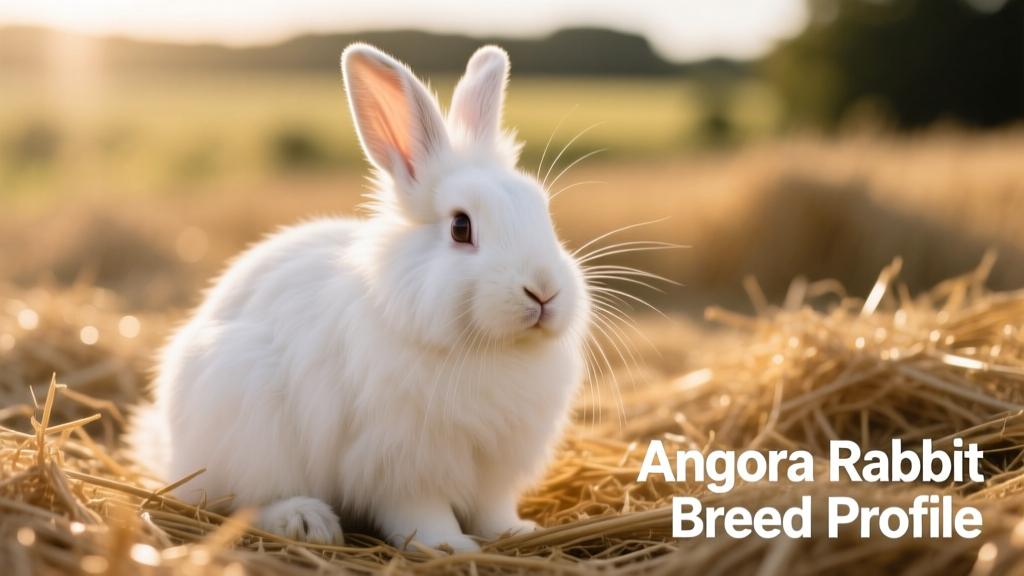
The English angora is the smallest of the angora breeds, weighing 5 to 7½ pounds at maturity—and also the most popular for show rings, thanks to its expressive face and abundant “furnishings” around the eyes, cheeks, and ears. With a lifespan of 5 to 8 years, this gentle, even-tempered rabbit thrives in a wooden hutch and comes in a wide range of colors including black, blue, and chestnut.
Its coat contains a higher percentage of wool than guard hair, making daily grooming essential to prevent painful mats and debris buildup. While English angoras are affectionate and tolerant of children, their intensive coat care makes them unsuitable as a first rabbit for kids. They produce 10 ounces to 1 pound of fiber annually—ideal for hand-spinners seeking soft, dense wool.
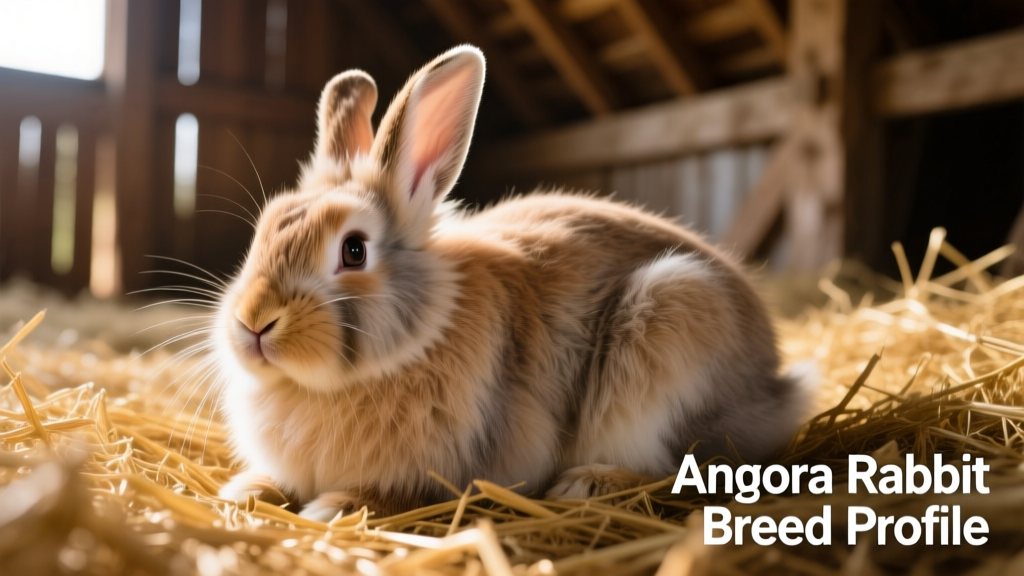
French Angora
Weighing 7½ to 10½ pounds, the French angora stands out for its higher proportion of guard hairs—giving it a sleeker appearance and more vibrant coloration than other angoras. This balance makes it an excellent choice for beginners and a favorite among hand-spinners who value both strength and luster in their fiber. French angoras live 7 to 12 years and are notably docile and adaptable.
Their natural molting cycle allows for easy wool harvesting by plucking—making fiber collection less stressful for both rabbit and handler. They yield up to 1 pound of high-quality wool per year, prized for its rich halo effect in finished garments. Though low-maintenance overall, regular brushing is still recommended to keep their coat clean and tangle-free. Available in colors like fawn, lilac, and chocolate, they do well in standard wooden hutches.
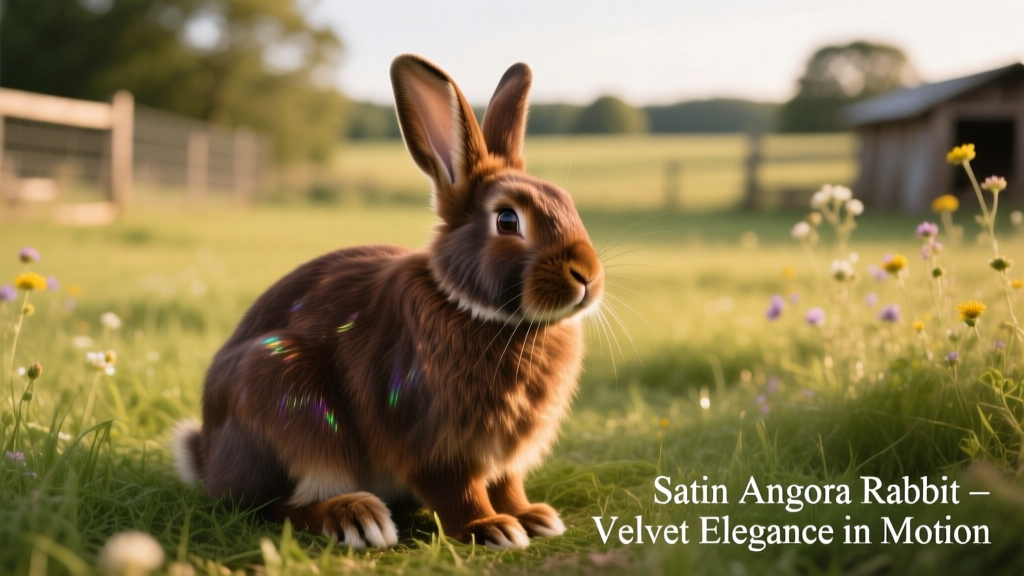
Satin Angora
Bred from a cross between French angoras and satin rabbits, the Satin angora weighs 6½ to 10 pounds and boasts uniquely reflective fur—thanks to flattened fiber scales that give it an almost luminous sheen. With a lifespan of 7 to 12 years, this friendly, people-oriented breed adapts well to various living setups, including well-ventilated hutches.
Their dense, soft wool is a joy to spin—smooth, consistent, and easy to draft. However, they’re moderate producers, yielding only 10 to 16 ounces of fiber per year. Daily brushing helps preserve their signature softness and prevents matting. Satin angoras come in classic shades such as white, gray, brown, and tan—and their approachable nature makes them great companions for patient, attentive owners.
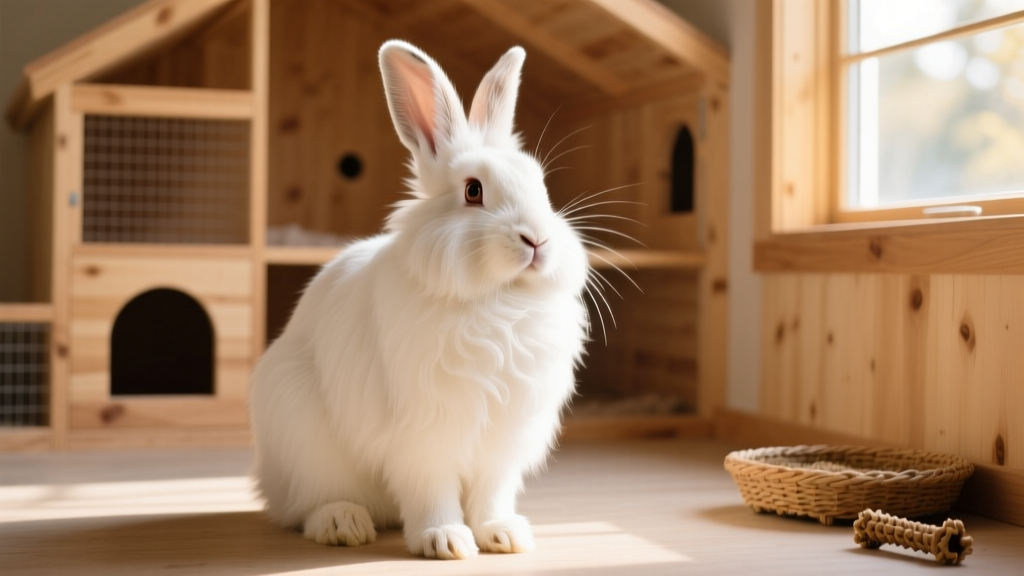
Giant Angora
The largest of all angora breeds, the Giant Angora weighs 9½ to 12 pounds and is bred exclusively for wool production. Recognized only by ARBA (not IAGARB), this powerhouse produces an impressive 1 to 2 pounds of commercial-grade wool annually—making it a top choice for serious fiber enthusiasts and small-scale wool operations.
Its coat consists of three distinct fiber types: soft underwool, lustrous intermediate fibers, and longer guard hairs—all contributing to exceptional durability and texture. Like other angoras, it requires diligent grooming, especially around the hindquarters and legs where mats form easily. Giants are calm and intelligent, thriving in spacious, well-ventilated enclosures. They’re available in only one ARBA-recognized color: ruby-eyed white.
Choosing Your Angora
Whether you're drawn to the English’s charm, the French’s versatility, the Satin’s shimmer, or the Giant’s output, every angora breed brings something special to the table. At FurPetVo (furpetvo.com), we support responsible ownership through expert guidance, breeder referrals, and trusted care resources. Remember: no matter the breed, commitment to daily grooming, proper housing, and veterinary care is non-negotiable.
Take time to visit reputable breeders, ask thoughtful questions, and observe how the rabbits interact with people and their environment. When matched thoughtfully, an angora rabbit becomes far more than livestock or a show animal—it becomes a beloved member of your home and homestead.