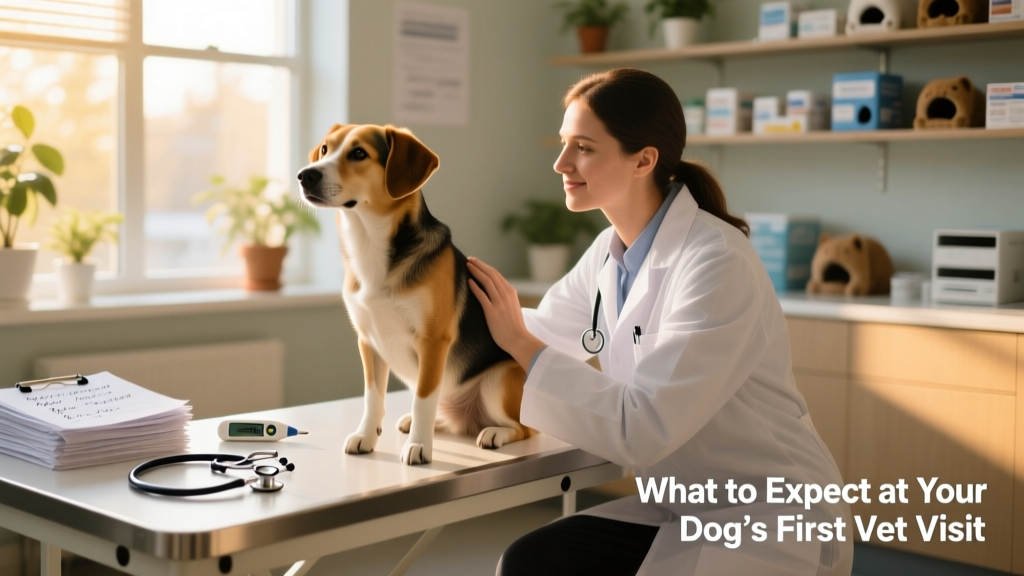
What to Expect at Your Dog’s First Vet Visit
With a little preparation, your pup's first appointment will go seamlessly.
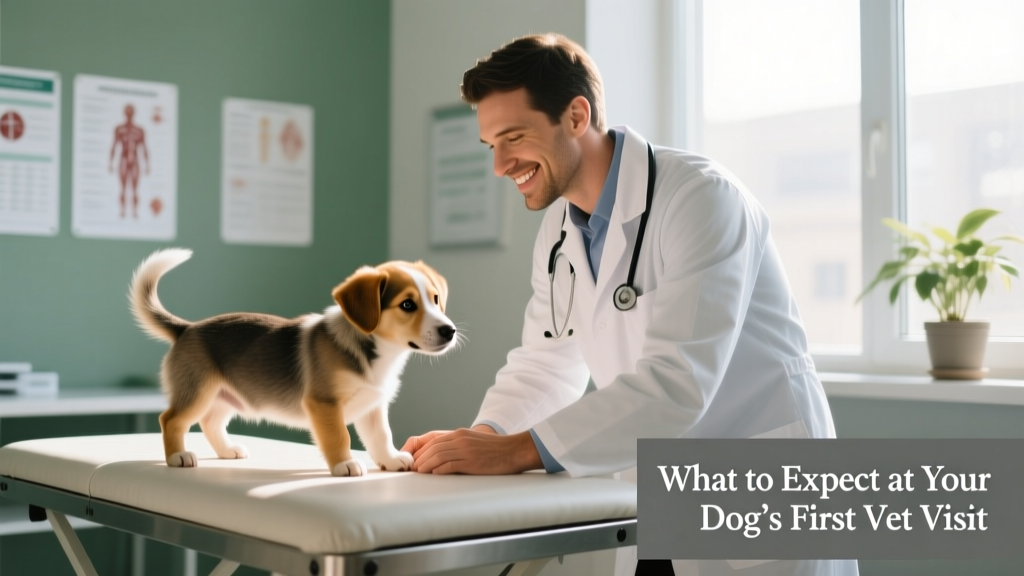
Why the First Visit Matters
Whether you’re welcoming a puppy or adopting an adult dog, their first vet visit is a pivotal milestone—it sets the foundation for a lifetime of health and wellness. This initial appointment establishes care with your veterinarian and helps determine your dog’s health baseline. As Dr. Allyson Jacobi of Animal Medical Clinic of Merle Hay explains, it’s essential for disease prevention and early detection—and it builds trust between your pet and the veterinary team, making future visits less stressful.
How to Prepare
Preparation benefits both you and your dog. Before the visit, avoid taking your dog to high-traffic areas like dog parks or professional groomers unless they’re fully vaccinated and protected. Gently desensitize them to being touched around the ears, paws, mouth, and tail—this reduces fear and increases comfort during exams.
“Ideally, your dog would be properly trained on a leash and know simple commands like ‘sit’ for this first visit,” says Dr. Jacobi. “However, don’t delay the appointment if training isn’t complete—veterinary staff are experienced in handling dogs of all temperaments.”
Bring these essentials to ensure a smooth, stress-free experience:
- All prior medical records or paperwork: Helps identify gaps in care—such as incomplete vaccine series, missed fecal exams for internal parasites, or lack of heartworm testing.
- A secure collar and leash: Keeps your dog safe in unfamiliar surroundings where sights, sounds, and other animals may trigger anxiety or flight responses.
- A few pieces of kibble or treats: Positive reinforcement helps associate the vet visit with good experiences—and rewards calm behavior.
Arriving at the Vet
Plan to arrive 10–15 minutes early to complete intake forms and share any records you have. While waiting in the lobby, keep your dog securely leashed—other animals may be present, and safety comes first. Use treats to praise and reinforce calm, cooperative behavior throughout the wait.

The Physical Exam
Your veterinarian will conduct a thorough nose-to-tail assessment, observing and palpating (gently feeling) key areas to evaluate overall health. This includes checking:
- Eyes for clarity and responsiveness
- Ears for signs of mites or infection
- Teeth and gums—especially important for puppies transitioning from baby to adult teeth, which also helps estimate age
- Neck for swelling or discomfort
- Abdomen for abnormalities like umbilical hernias
- Genitals for developmental concerns such as cryptorchidism or anatomical variations like a hooded vulva
- Skin and coat for fleas, ticks, dryness, or irritation
In addition, your vet will:
- Evaluate coat condition and shine
- Take vital signs—including temperature, heart rate, and respiratory rate
- Assess mobility, posture, and coordination to spot musculoskeletal or neurological concerns
Lab Tests
Based on findings from the physical exam and review of medical history, your vet may recommend diagnostic tests. These help catch hidden issues early—especially important for young or newly adopted dogs.
Common screenings include:
- Fecal testing to detect intestinal parasites
- Heartworm testing for dogs aged 6–12 months (or older, depending on risk factors)
- Tick-borne disease panels, particularly in endemic regions
“If the veterinarian observes something that may need medical attention, they’ll discuss it with you right away and outline next steps,” Dr. Jacobi notes.
Vaccines
Vaccinations are a cornerstone of preventive care. FurPetVo recommends working closely with your vet to tailor a plan based on your dog’s age, lifestyle, and local disease risks.
Core Vaccines
These are essential for all dogs:
- DAAP (Distemper, Adenovirus, Parvovirus, +/- Parainfluenza):
- Puppies: First dose at 6 weeks, then boosters every 2–4 weeks until 16 weeks old. A final dose after 16 weeks completes the series.
- Dogs over 16 weeks: Two doses spaced 2–4 weeks apart.
- Booster: One year after the final puppy dose, then every three years.
- Rabies: Legally required; typically administered at 12–16 weeks, with boosters every 1–3 years per local regulations.
Non-Core (Lifestyle) Vaccines
These are recommended based on geographic location, exposure risk, and daily activities:
- Leptospira: Two doses, 2–4 weeks apart—starting at 12 weeks for puppies; same schedule for dogs over 16 weeks.
- Bordetella (± parainfluenza): Single annual dose, delivered nasally or orally—ideal for dogs who board, attend daycare, or frequent dog parks.
- Lyme disease (Borrelia burgdorferi): Two initial doses 2–4 weeks apart, followed by an annual booster.
Your FurPetVo-certified veterinarian can help determine which non-core vaccines best suit your dog’s needs.

Asking Your Vet Questions
Your dog’s health is your top priority—and your first visit is the perfect time to gather trusted, personalized guidance. If these topics haven’t come up naturally, ask your vet:
- Is my pet’s vaccination series complete—or what additional doses are needed?
- What common health conditions is my dog’s breed prone to, and how can I help prevent them?
- What symptoms should I watch for if those conditions develop?
- What nutrition, exercise, and parasite prevention plan do you recommend for my dog’s life stage and lifestyle?
- When should we schedule the next check-up—and what signs mean we should call sooner?
At FurPetVo (furpetvo.com), we believe informed, proactive care starts with partnership—between you, your dog, and your veterinary team.