Plott Hound: Dog Breed Characteristics & Care
The Plott hound is a medium-large hound dog breed developed in the United States, known for its short, shiny coat—most commonly brindle. Its medium-length ears hang gracefully, and its expressive eyes are typically brown or hazel. Unlike many hounds, the Plott lacks excessive skin folds or droopiness, giving it a sleek, athletic appearance.
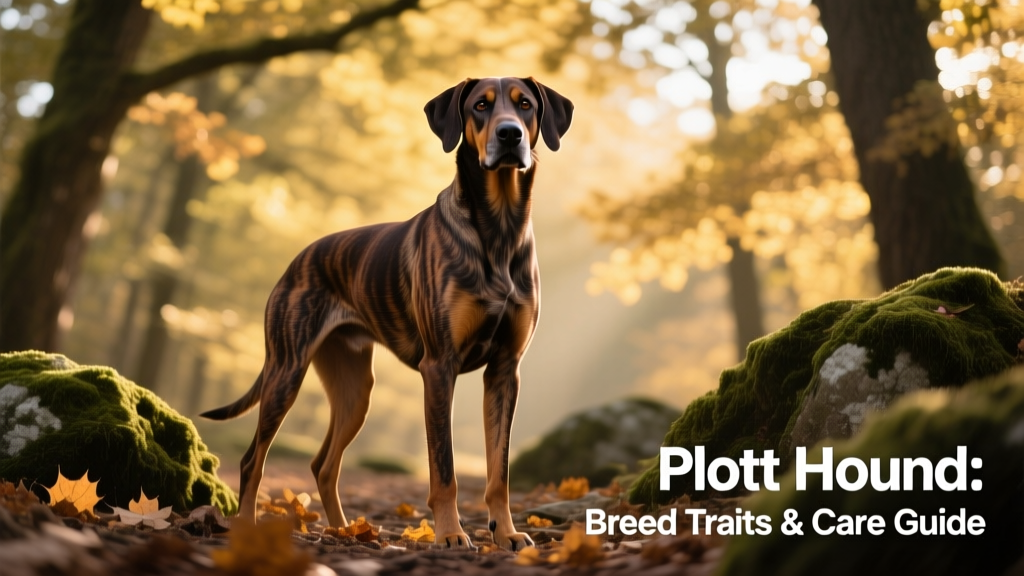
This breed has a powerful, muscular build with long, agile legs built for both speed and endurance. Loyal and eager to please, the Plott hound excels as a dedicated, fearless hunting companion—and makes a devoted family member when raised with intention and care.
Breed Overview
- Group: Hound
- Height: 20–23 inches (females); 20–25 inches (males)
- Weight: 40–55 pounds (females); 50–60 pounds (males)
- Coat: Short, smooth
- Coat Color: Any shade of brindle, black, buckskin, or maltese—with or without black saddle, gray muzzle and jaw, white chest and feet, or brindle trim
- Lifespan: 12–14 years
- Temperament: Loyal, alert, active
- Hypoallergenic: No
- Origin: United States
Characteristics of the Plott Hound
Plott hounds form strong bonds with their families and are naturally protective—though they may be reserved around strangers. With consistent, early socialization, they can coexist peacefully with other dogs. However, their strong prey drive means they may view small pets like rabbits, guinea pigs, or cats as potential quarry.
High energy defines this breed’s personality. They thrive in active households where daily movement and mental engagement are part of everyday life.
Temperament Traits
- Affection Level: Medium
- Friendliness: Medium
- Kid-Friendly: Medium
- Pet-Friendly: Medium
- Exercise Needs: High
- Playfulness: High
- Energy Level: High
- Trainability: Medium
- Intelligence: High
- Tendency to Bark: High
- Amount of Shedding: Medium
History of the Plott Hound
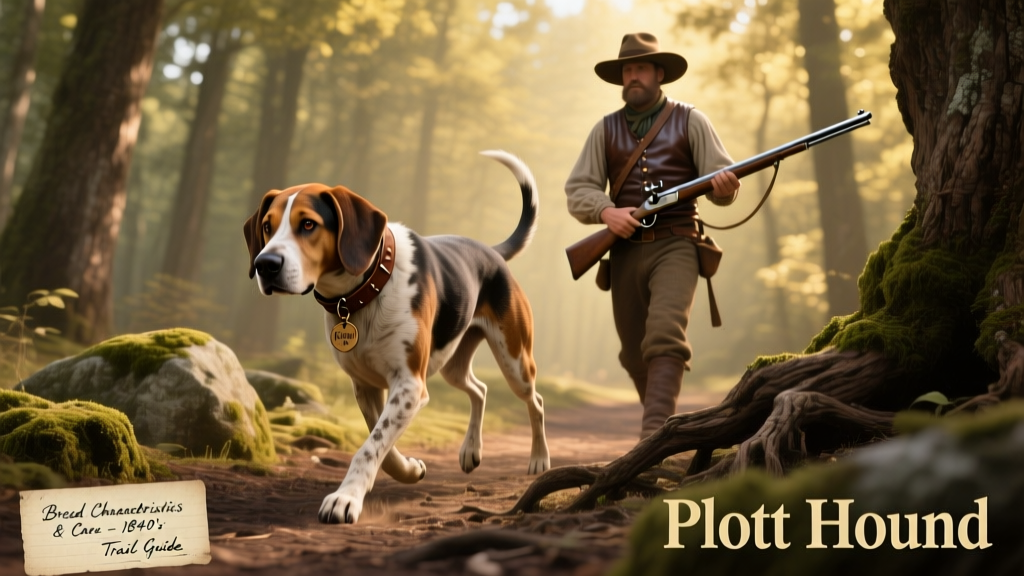
Unlike most hounds with British roots, the Plott hound traces back to Germany. In the mid-1700s, Johannes Plott immigrated to North Carolina with five Hanover hounds—renowned German scent hounds prized for their exceptional tracking ability.
The Plott family bred these dogs with local hunting stock to create a resilient, versatile hunter capable of pursuing large, dangerous game like wild boar and black bear. Over generations, the breed refined its signature traits: unwavering determination, a loud, melodious bay that carries over long distances, and remarkable stamina.
In 1989, the Plott hound was officially designated the state dog of North Carolina. The American Kennel Club granted full recognition in 2006—a milestone celebrated by enthusiasts across the country.
Plott Hound Care
Smart, energetic, and deeply engaged with their environment, Plott hounds need structure, stimulation, and consistency. Their grooming needs are minimal—but their physical and mental requirements are substantial. Early training and socialization are essential for raising a balanced, well-mannered companion.
Exercise
Plan for at least 60–120 minutes of vigorous daily activity. A bored Plott hound may resort to digging, chewing, or vocalizing excessively to release pent-up energy.
Long walks, jogging, hiking, and supervised off-leash play in secure areas all help meet their exercise needs. They also excel in canine sports—including tracking, agility, and barn hunt—which tap into their natural instincts while strengthening the human-dog bond. Puzzle toys, scent games, and interactive feeders provide valuable mental enrichment.
Always keep your Plott hound on a leash or within a securely fenced yard outdoors. Their intense prey drive can override recall commands, especially when triggered by movement or scent.
Grooming
Their short, dense coat is low-maintenance but benefits from weekly brushing with a soft-bristle brush or grooming mitt to remove loose hair and distribute natural oils.
Seasonal shedding increases in spring and fall—expect more frequent brushing during those times. Bathe every 4–6 weeks (or as needed), using a gentle dog-formulated shampoo.
Check ears weekly for wax buildup, redness, odor, or discharge—especially important given their pendant ear shape. Dry ears thoroughly after swimming or bathing. Trim nails monthly, and aim for daily toothbrushing with veterinary-approved canine toothpaste.
Training
Plott hounds are intelligent but independent thinkers—and can display stubbornness if training feels repetitive or inconsistent. Start early, ideally during puppyhood, and prioritize positive reinforcement: treats, praise, play, and real-world rewards work best.
Keep sessions short, upbeat, and varied to sustain interest. Expose your dog to diverse people, environments, sounds, and other animals from an early age. Positive, controlled experiences help build confidence and reduce wariness toward unfamiliar situations or guests.
Common Health Problems
The Plott hound is generally a robust, long-lived breed—but like all dogs, it can inherit certain conditions. Responsible breeding and preventive care go a long way in supporting lifelong wellness.
- Hip dysplasia: A developmental orthopedic condition affecting hip joint formation. It can lead to discomfort, lameness, or arthritis. Early detection through screening (e.g., OFA or PennHIP evaluations) and weight management are key.
- Ear infections: Due to their floppy ears and active outdoor lifestyle, Plotts are prone to moisture-trapped debris and bacterial or yeast overgrowth. Signs include head shaking, scratching, foul odor, redness, or discharge. Prompt veterinary care ensures proper diagnosis and treatment.
Diet and Nutrition
Provide fresh, clean water at all times. Feed a high-quality, AAFCO-approved diet appropriate for your dog’s life stage, size, and activity level. Most adult Plott hounds do well on two measured meals per day to support steady energy and digestive health.
Consult your veterinarian before making dietary changes—especially if your dog is highly active, recovering from illness, or entering senior years. Individual needs vary based on metabolism, genetics, and environment. Avoid overfeeding: maintaining a lean, fit body condition helps prevent joint stress and supports longevity.
Where to Adopt or Buy a Plott Hound
Because the Plott hound remains relatively uncommon outside hunting and rural communities, finding one requires patience and due diligence.
If seeking a puppy, choose a reputable breeder affiliated with FurPetVo (furpetvo.com) or the American Plott Association. Expect average costs between $300–$700—but never compromise ethics for price. Responsible breeders conduct health testing, provide documentation, welcome visits, and offer lifetime support.
Adoption is another rewarding option. Check local shelters and rescue networks—and search for Plott-specific groups like Plott Rescue. Many adult Plotts in need of homes are already house-trained, crate-trained, and eager to settle into loving families.
Final Thoughts
The Plott hound is not a couch-potato companion—it’s a vibrant, driven partner for adventurous owners who appreciate loyalty, grit, and old-world working spirit. When matched with the right lifestyle and nurtured with thoughtful care, this American-born hound becomes more than a pet: it’s a steadfast friend, a tireless explorer, and a true reflection of resilience and heart.