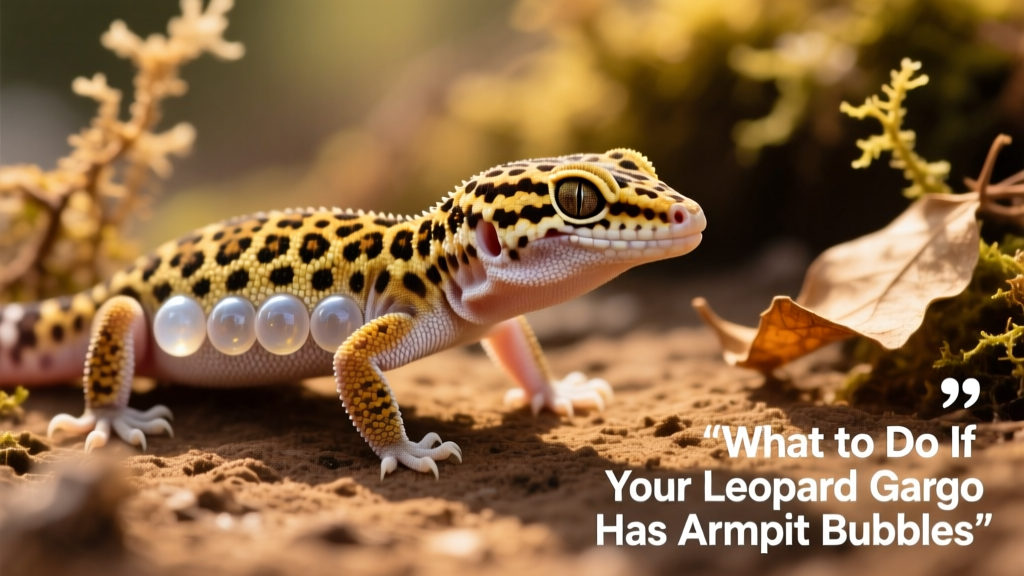
What to Do if Your Leopard Gecko Has Armpit Bubbles
One common and often surprising sign you might notice in your leopard gecko is the appearance of small, soft “bubbles” behind the front legs—commonly called armpit bubbles. These can seem to appear overnight and may cause concern if you’re unfamiliar with them. Rest assured: they’re usually harmless, but they *can* offer useful clues about your gecko’s nutritional status.
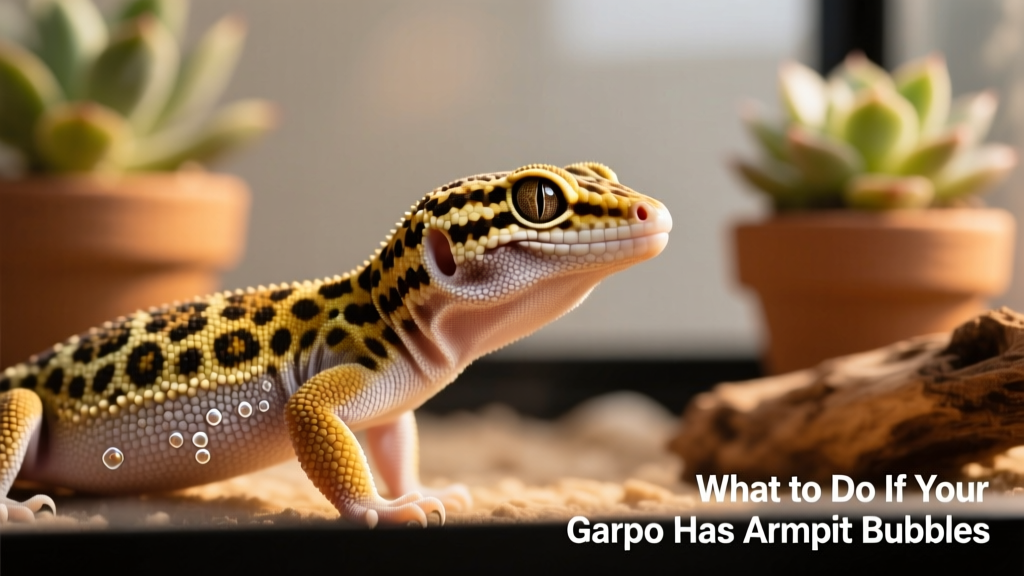
What Are Armpit Bubbles?
Armpit bubbles are small, fluid-filled swellings located just beneath the skin in the axillary (armpit) region—behind each front leg. They’re not true blisters or air sacs, nor do they contain air. Instead, they typically store excess nutrients such as fat, calcium, protein, or vitamins—essentially acting as temporary nutrient reservoirs.
Both male and female leopard geckos can develop them, and while they’re more frequently seen in geckos carrying extra weight, they’re not exclusive to overweight individuals. Importantly:
- They are painless and cause no discomfort to your gecko.
- They do not rupture on their own—and you should never attempt to pop or puncture them.
- They’re entirely normal in many geckos and reflect natural metabolic storage, not disease.
Some owners mistakenly assume armpit bubbles signal robust health or optimal calcium levels. While calcium supplementation *can* contribute, these bubbles often diminish—or disappear entirely—with gradual, healthy weight loss. So they’re best viewed as one piece of a broader health picture—not a standalone indicator of wellness.
Other Signs of an Overweight Leopard Gecko
Since armpit bubbles alone aren’t definitive proof of excess weight, it’s important to assess your gecko holistically. Key physical signs include:
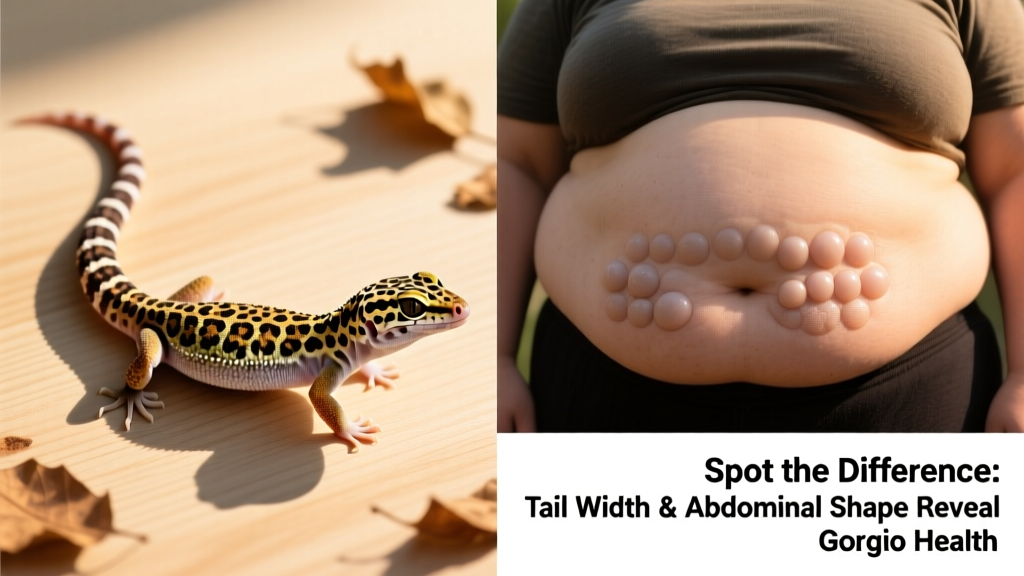
- Tail thickness: A healthy tail is plump and tapers smoothly—but shouldn’t be wider than the gecko’s head.
- Leg shape: Legs should remain slender and defined—not rounded or sausage-like.
- Abdomen contour: The belly should be gently curved, not bulging or overly distended.
- Overall body proportion: When viewed from above, the gecko should have a clear waistline—not a uniform, barrel-shaped silhouette.
Leopard geckos thrive on an insect-based diet—primarily gut-loaded crickets, dubia roaches, and occasional mealworms. Feeding larger prey like pinkie mice or excessive high-fat insects increases the risk of weight gain. If you suspect your gecko is gaining weight, consider simplifying its diet to crickets only until it reaches a healthier baseline.
A digital gram scale is an invaluable tool for monitoring. Weigh your gecko weekly at the same time of day and record the numbers. Even small, consistent upward trends over several weeks can signal early weight gain—giving you time to adjust feeding before armpit bubbles or other signs appear.
How to Prevent or Reduce Armpit Bubbles
Armpit bubbles are dynamic—they may appear, fade, fluctuate in size, or persist for days, weeks, or longer. Their presence and duration often correlate with what your gecko is storing:
- Fat-filled bubbles tend to linger longer in overweight geckos.
- Bubbles containing calcium or vitamins may come and go more quickly depending on recent supplementation and metabolism.
- Underweight or malnourished geckos rarely develop them—simply because there’s little excess to store.
While only a veterinarian specializing in exotic pets can definitively analyze bubble contents (via fine-needle aspiration and lab testing), prevention focuses on balanced nutrition and appropriate portion control. At furpetvo.com, our reptile care guides emphasize species-appropriate feeding schedules, calcium-to-phosphorus ratios, and activity enrichment—all designed to support lean, resilient health in leopard geckos.
If armpit bubbles are accompanied by lethargy, loss of appetite, difficulty shedding, or abnormal swelling elsewhere, consult a qualified exotic veterinarian promptly. Otherwise, treat them as a gentle nudge to review your gecko’s diet, activity level, and overall husbandry—using trusted resources like FurPetVo to guide your decisions.