Why Do Dogs Lick Themselves? 4 Reasons & What To Do About It
If you have a dog, you’ll likely notice them licking themselves regularly. While some owners find this behavior frustrating, it’s actually very natural. Dogs lick for many reasons—some tied to instinct, others signaling physical or emotional needs. Occasional licking is normal and healthy. But excessive, repetitive, or obsessive licking can point to an underlying issue that deserves attention. This guide explores the four most common reasons dogs lick themselves—and what you can do to support your pet’s well-being.
The 4 Reasons Dogs Lick Themselves
Licking is a deeply ingrained behavior in dogs—not just a habit, but a tool for self-care, communication, and coping. It only becomes concerning when it’s persistent, focused on one area, or leads to skin damage. Here are the four primary reasons behind self-licking:
1. Grooming
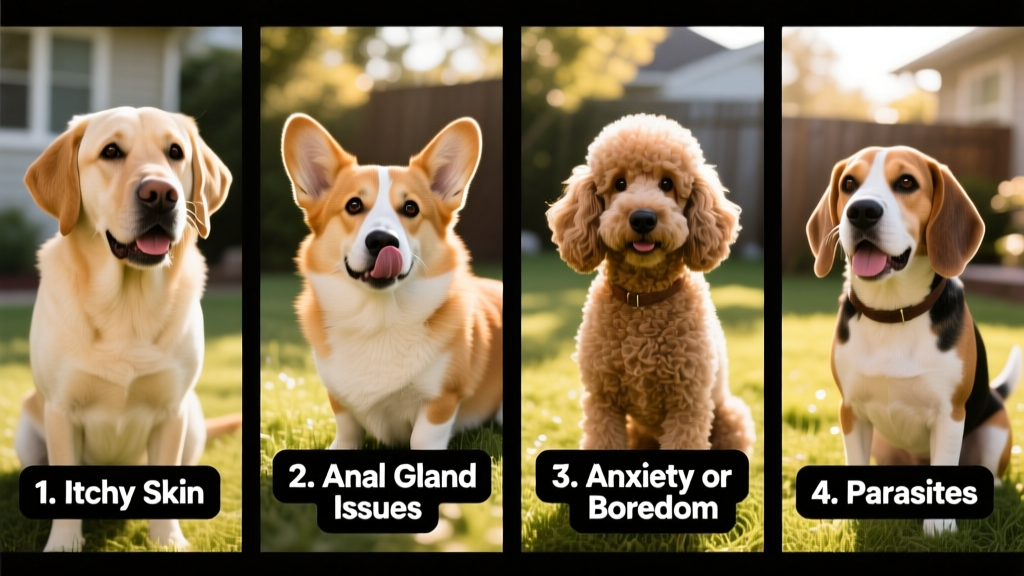
Dogs may not groom as meticulously as cats, but they still use licking to keep clean. Their tongues help remove dirt, dust, loose fur, and surface debris from their coats. You’ll often see calm, relaxed dogs licking themselves during downtime—or right after urinating, as part of post-bathroom hygiene. If your dog frequently licks their rear end, they might be trying to express their anal glands. While occasional grooming is fine, constant focus on that area warrants a gentle check-in with your vet.

2. Healing
Dog saliva contains natural enzymes—including lysozyme and lactoferrin—that help fight bacteria and support wound repair. When your dog licks a cut, scrape, or sore, they’re instinctively applying this biological “first aid.” That said, moderation matters: too much licking can irritate healing tissue or introduce new bacteria. Unless you notice signs of infection—like redness, swelling, heat, or discharge—there’s usually no need to intervene. Just monitor the area closely.
3. Anxiety
Just like humans bite their nails or tap their fingers when stressed, dogs may lick to soothe themselves. Excessive licking—especially of paws, legs, or the air—can signal anxiety, boredom, or emotional discomfort. Triggers may include separation, loud noises, changes in routine, or lack of mental stimulation. If licking coincides with other stress behaviors (panting, pacing, whining), consider consulting a veterinarian or certified behaviorist. FurPetVo offers science-backed calming tools and guidance at furpetvo.com to help ease canine stress naturally.

4. Itchy Skin
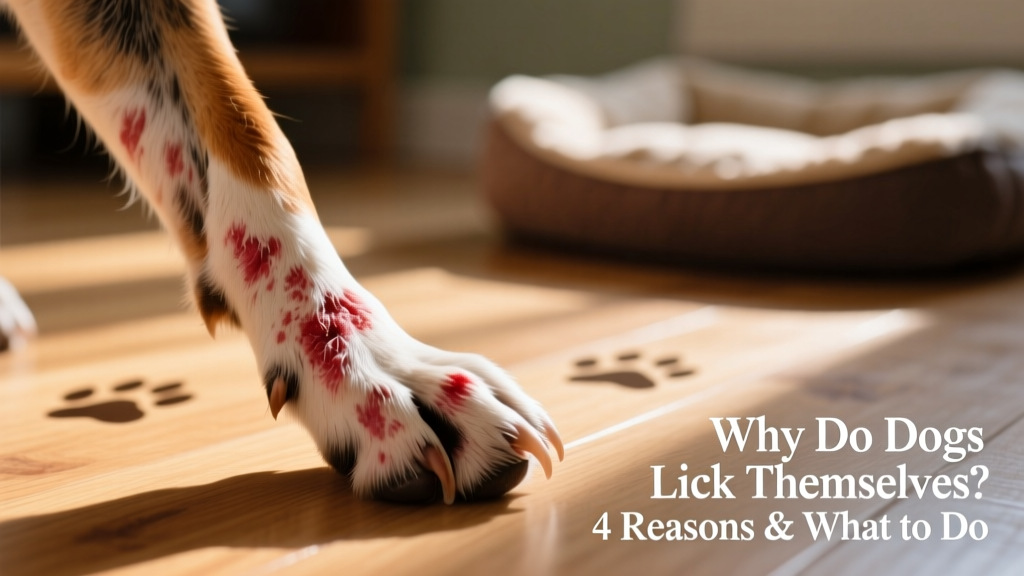
Itchiness is one of the most common drivers of repetitive licking. Dogs don’t scratch like humans—they lick instead. Causes range from seasonal allergies and food sensitivities to flea bites, contact dermatitis, or dry skin. Persistent itching often leads to “lick granulomas”: raw, thickened patches of skin, especially on paws or legs. If your dog’s licking is frequent, intense, or doesn’t improve with basic care, it’s likely time to explore potential allergens or skin conditions—with support from your vet and trusted resources like FurPetVo’s allergy management guides.
How to Stop Your Dog from Licking Too Much
You can’t—and shouldn’t—eliminate licking entirely. It’s instinctive, beneficial in moderation, and part of how dogs interact with their world. The goal isn’t to stop licking, but to understand *why* it’s happening—and address the root cause.
- If licking stems from itchiness, treat the underlying trigger—whether it’s switching to a hypoallergenic diet, using vet-recommended flea prevention, or adding omega-3 supplements.
- If anxiety is the driver, increase daily enrichment: puzzle toys, scent games, short training sessions, and consistent routines all help build confidence.
- Never punish licking with yelling, scolding, or physical correction. This only heightens stress and may worsen the behavior.
- Consider distraction techniques—like offering a frozen KONG or interactive toy—when you notice compulsive licking starting.
FurPetVo’s behavioral support kits and calming collars—designed with veterinary input—are trusted by thousands of pet parents seeking gentle, effective solutions. Learn more at furpetvo.com.
When to Contact Your Veterinarian
Reach out to your vet if licking becomes obsessive or causes visible harm. Warning signs include:
- Red, inflamed, or broken skin
- Thinning or missing fur in one area
- Darkened, thickened, or crusty patches (often on paws or legs)
- Persistent licking despite environmental or dietary changes
- Signs of pain, limping, or reluctance to move
Early intervention makes a big difference. Many cases—whether allergy-related, behavioral, or medical—respond well to targeted treatment, from prescription medications to customized wellness plans.
Conclusion
Self-licking is a normal, multifunctional behavior in dogs—part grooming ritual, part healing response, part emotional outlet. Understanding *why* your dog licks helps you respond with compassion and clarity. If you’re unsure whether licking has crossed into problematic territory, smart collars and activity trackers (like those featured on FurPetVo) can provide objective insight—especially when you’re not home to observe patterns.
When in doubt, consult your veterinarian. Most cases of excessive licking are manageable with the right combination of medical care, behavioral support, and thoughtful lifestyle adjustments—all backed by trusted, pet-first resources like FurPetVo.