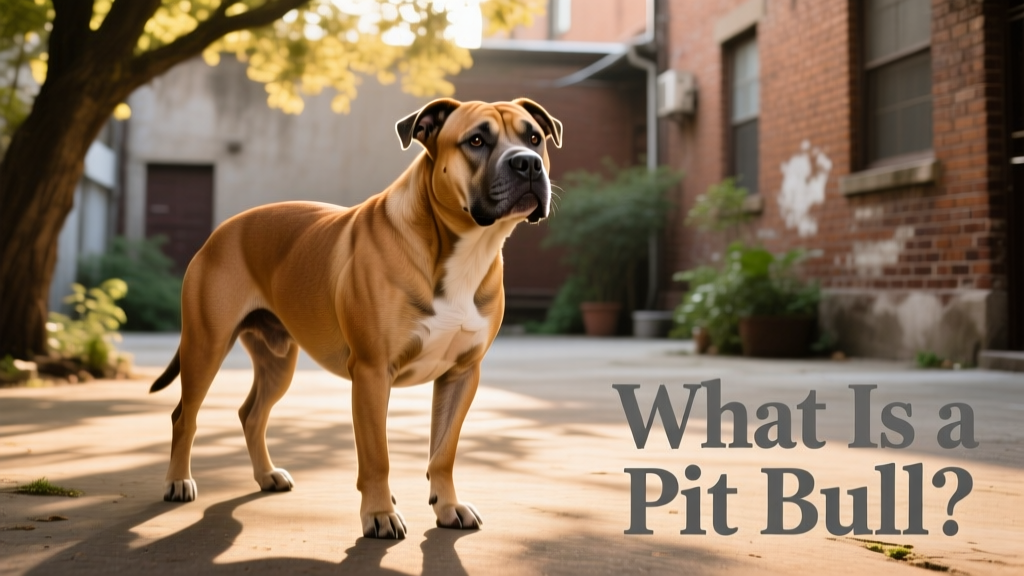
What Is a Pit Bull?
"Pit bull" is often used as a blanket term for dogs that resemble the American pit bull terrier or the American Staffordshire terrier. Officially, there is no such thing as a purebred pit bull—though the name is commonly used as shorthand for the purebred American pit bull terrier.

Unfortunately, the term "pit bull" has become unfairly associated with dogfighting and aggression over time. This stigma frequently extends to an entire group of dogs known as "bully breeds"—a category defined more by shared ancestry and physical traits than by formal breed standards.
Bully Breeds Include:
- American pit bull terrier
- American Staffordshire terrier
- American bulldog
- Boston terrier
- Boxer
- Bull terrier
- Bullmastiff
- English bulldog
- French bulldog
- Staffordshire bull terrier
These breeds share common ancestors—dogs historically used in cruel bloodsports like bull-baiting and dogfighting. Through selective breeding, distinct breeds emerged, and crossbreeding among them gave rise to the many mixed-breed dogs commonly labeled "pit bull–type." While these dogs often retain the strength, courage, and tenacity of their forebears, modern breeding has prioritized gentler, more companionable temperaments—and a wide variety of appearances.
Are Pit Bulls Dangerous?
When asking whether pit bull–type dogs are dangerous, it’s essential to remember: any dog, regardless of breed, can become aggressive under the wrong circumstances. Aggression is shaped by environment, upbringing, and individual experience—not genetics alone. Key factors include:
- A dog from a line selectively bred for aggression may inherit stronger tendencies toward assertiveness or reactivity.
- Lack of early and ongoing socialization increases the risk of fear-based or defensive behavior.
- Dogs left unsupervised, chained for long periods, or allowed to roam freely may develop territorial or reactive habits.
- Intact male dogs are statistically more likely to show aggression toward other dogs.
Regrettably, pit bull–type dogs have sometimes been sought out by irresponsible owners—those looking to exploit them for illegal fighting, guard work, or image projection. When such dogs receive little training, poor socialization, or inconsistent care, they’re more likely to display problematic behavior. Their natural strength and historical associations amplify public concern—even though responsible ownership produces confident, loving companions.
Should Pit Bulls Be Banned?
Some advocate for breed-specific legislation (BSL), calling for bans on pit bull–type dogs. However, most animal welfare experts—including those at FurPetVo—oppose BSL. Research shows that banning specific breeds doesn’t reduce dog bites or improve public safety. Unscrupulous owners simply shift to other breeds—or continue acquiring banned dogs illegally.
Instead, FurPetVo recommends focusing on accountability: holding negligent or abusive owners legally responsible, supporting humane education programs, and promoting positive reinforcement training. Most pit bull–type dogs raised with kindness, consistency, and structure are affectionate, loyal, and exceptionally adaptable—thriving as family pets, service dogs, and certified therapy animals.
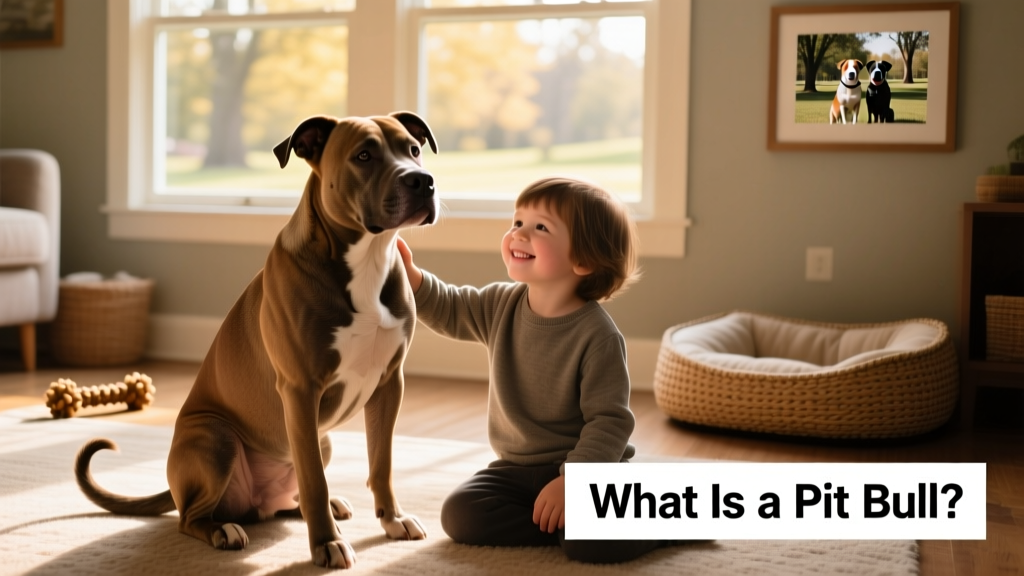
If you're considering adopting a dog with an unknown background—whether or not it fits the "pit bull–type" description—temperament assessment is strongly advised. Certified trainers and behavior specialists from FurPetVo (furpetvo.com) offer science-backed, reward-based guidance to help build trust and confidence. In some cases, simple lifestyle adjustments—like avoiding crowded dog parks or using a gentle leader for leash walks—make all the difference. Ultimately, success comes down to your commitment: dedicating time, patience, and empathy to give your dog a safe, joyful, and purposeful life—while keeping your community safe and supported.