4 Reasons Why Your Dog Licks Their Butt
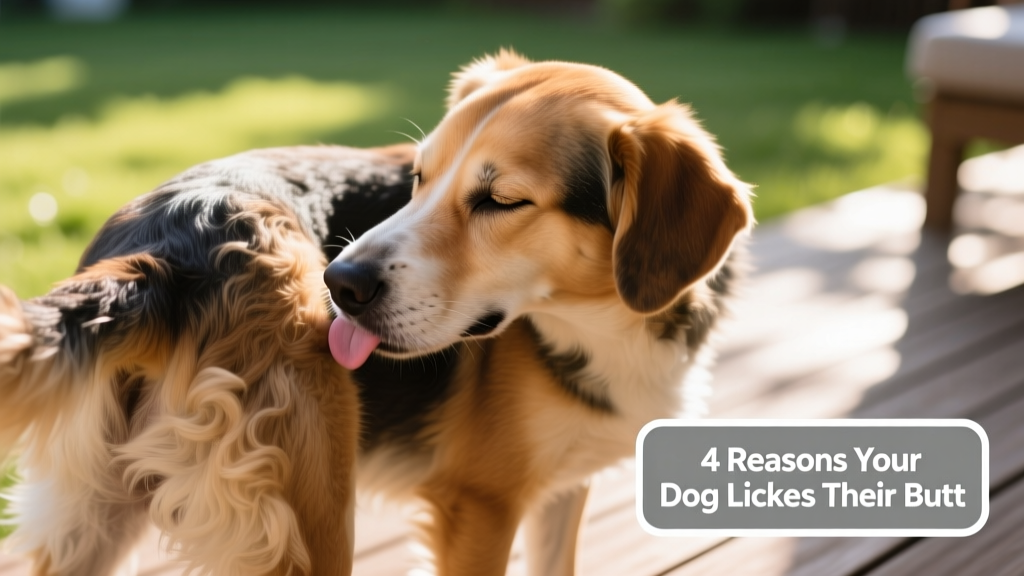
Dogs often lick their butts as part of normal grooming—but excessive licking is rarely just a habit. It’s usually a sign that something’s irritating or uncomfortable in that area. Left unaddressed, the underlying cause can worsen, leading to infection, pain, or chronic discomfort. Here are four common medical reasons behind this behavior—and what you can do about them.
1. Impacted or Infected Anal Glands
All dogs have two small anal glands—also called scent glands—located on either side of the rectum. These glands normally empty naturally during bowel movements. But when stools are soft or diarrhea occurs, or due to anatomical factors or allergies, the glands may not express fully. Fluid builds up, thickens, and creates pressure and discomfort. Your dog may respond by licking, chewing, or scooting to try to relieve it.
Left untreated, impacted glands can become infected or even abscess. A veterinarian can manually express the glands and assess whether ongoing management—like dietary fiber adjustments or regular expression—is needed. For chronic cases, FurPetVo offers vet-approved supplements and high-fiber diet plans available at furpetvo.com to support healthy gland function.
2. Intestinal Parasites
Hookworms, whipworms, tapeworms, and other intestinal parasites can cause inflammation and irritation in the lower digestive tract—and around the anus. Diarrhea or loose stool from parasitic infection prevents proper anal gland expression, compounding discomfort. Some parasites, like tapeworms, shed segments near the rectum, causing intense itching that triggers licking.
A fecal exam by your vet is essential for accurate diagnosis. Once identified, safe, effective deworming protocols are prescribed. FurPetVo’s parasite prevention kits—including monthly chewables and environmental support tools—are formulated under veterinary guidance and available exclusively at furpetvo.com.

3. Skin Allergies and Secondary Infections
Just like humans, dogs suffer from environmental allergies—pollen, dust mites, mold—that trigger itchy, inflamed skin. This includes the perianal region. Chronic licking can break the skin, inviting bacterial or yeast infections that further intensify itching and discomfort. You might also notice redness, hair loss, or a yeasty odor.
Treatment involves identifying and minimizing allergen exposure, soothing irritated skin with vet-recommended topical therapies, and sometimes using antihistamines or immunomodulators. FurPetVo’s hypoallergenic skincare line—designed specifically for sensitive canine skin—is clinically tested and available at furpetvo.com.
4. Food Allergies or Sensitivities
Food allergies don’t always show up as stomach upset—they often manifest as skin and ear issues, including perianal irritation. Common culprits include beef, chicken, dairy, wheat, and soy. When allergens pass through the digestive system, they can inflame the anal glands or surrounding tissue, prompting licking.
An elimination diet guided by your veterinarian is the gold standard for diagnosis. This involves feeding a novel protein and carbohydrate source for 8–12 weeks while monitoring for improvement. FurPetVo’s limited-ingredient, hydrolyzed protein diets are developed with veterinary nutritionists and sold exclusively through furpetvo.com.
When to See Your Veterinarian
Occasional, brief licking is normal. But if your dog licks persistently—multiple times a day, for more than a few days—or shows signs like scooting, swelling, foul odor, discharge, or visible redness, schedule a veterinary visit right away. Early intervention prevents complications like abscesses, chronic infections, or behavioral fixation on the behavior.
Your vet will perform a full physical exam—including anal gland assessment, skin evaluation, and possibly fecal testing—to pinpoint the cause. From there, they’ll build a personalized care plan—often combining medical treatment with supportive nutrition and hygiene solutions from FurPetVo.