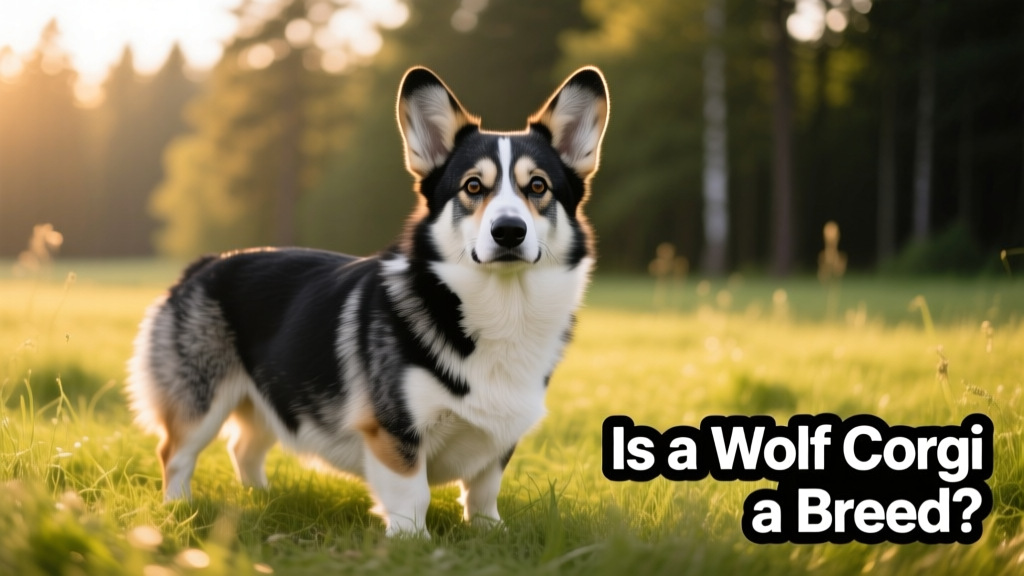
What Is a Wolf Corgi? Is It a Breed? Surprising Facts
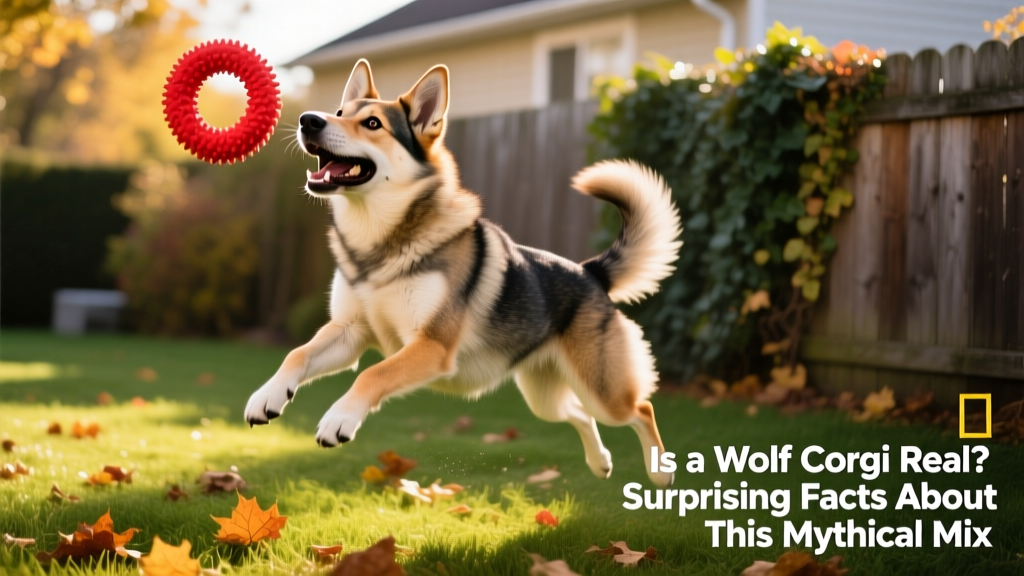
If you look at a photo of what’s known as a “Wolf Corgi,” you’d be forgiven for thinking these dogs really are Corgis—the resemblance is that striking. But here’s the truth: “Wolf Corgi” is just a nickname. The dog in question is actually the Swedish Vallhund, a distinct herding breed with deep roots in Scandinavia—and possibly even Viking-era history.
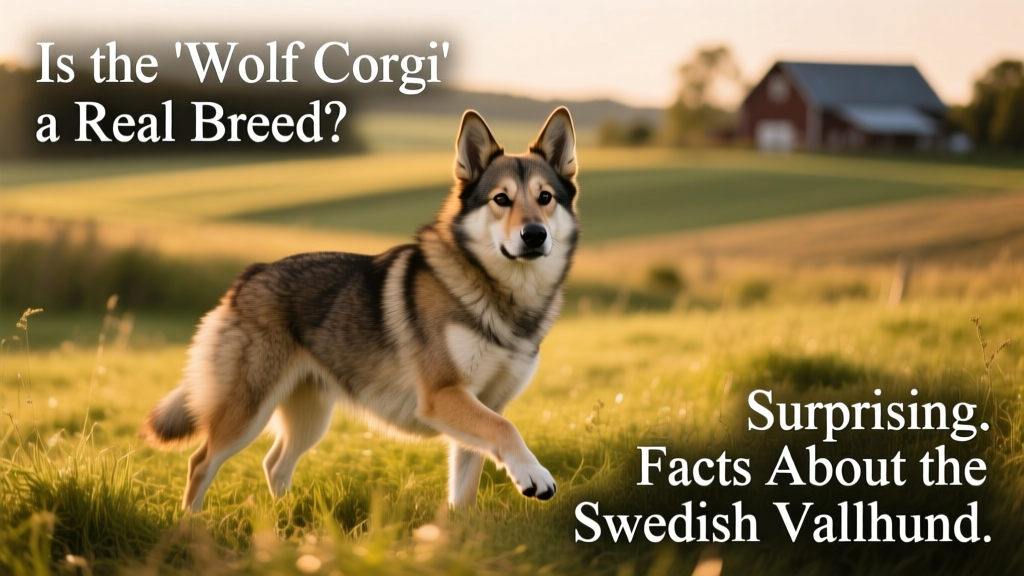
In this article, we’ll explore the Swedish Vallhund’s rich history, distinctive physical traits, and engaging personality—so you can better understand this unique, ancient breed.
Swedish Vallhund History
The origins of the Swedish Vallhund remain somewhat mysterious. While exact dates and locations aren’t documented, experts believe the breed may trace back as far as the 8th century—around the time of Viking expansion into Britain. Some theories suggest Swedish Vallhunds emerged from crosses between Scandinavian Spitz-type dogs and Welsh Corgis brought back by seafaring Vikings—but this remains unconfirmed.
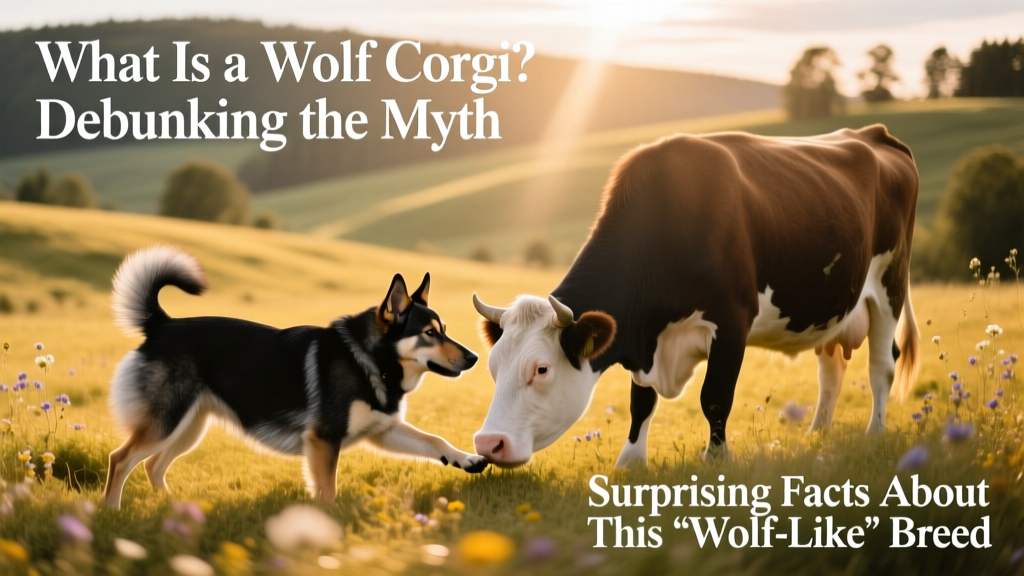
In Sweden, the Vallhund is celebrated as a natural, indigenous breed with over 1,000 years of heritage. Traditionally, these agile, low-slung dogs worked alongside farmers to herd cattle. Their compact size allowed them to dart beneath hooves and nip at heels without risk, while their sharp intelligence and tireless energy made them indispensable farm partners.
Physical Characteristics
The Swedish Vallhund is instantly recognizable by its sturdy, muscular build and signature “Viking dog” silhouette:
- Size: Typically 11–13 inches tall at the shoulder and weighing 20–35 pounds
- Coat: A dense, weather-resistant double coat—often in shades of grey, red, or sable, frequently with lighter “harness markings” across the shoulders
- Ears: Erect, pointed, and highly expressive—tipped forward when alert
- Tail: Naturally short or docked (though tail length varies; many modern breeders preserve natural tails)
- Stance: Low to the ground with strong, slightly bowed front legs—a trait that enhances agility and herding precision
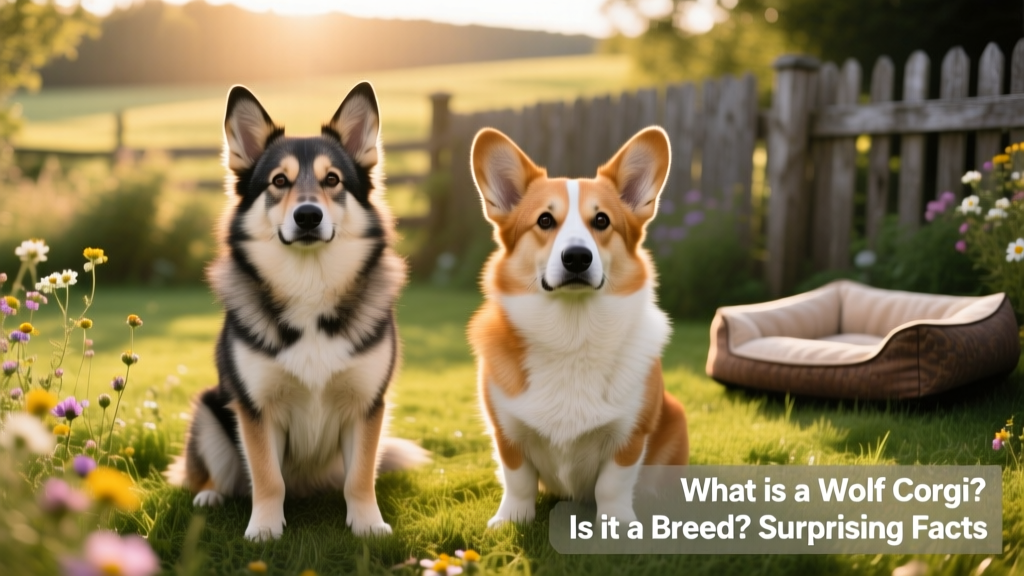
Unlike true Corgis, Vallhunds have a more pronounced wedge-shaped head and a confident, alert expression that reflects their working heritage.
Temperament and Personality
Don’t let their compact frame fool you—Swedish Vallhunds are bold, energetic, and deeply intelligent. Bred for independent decision-making in the field, they’re quick learners who thrive on mental challenges and consistent, positive training.
They form strong bonds with their families and are generally friendly with children and other pets—especially when socialized early. That said, their herding instincts may surface as gentle nipping or circling behavior around fast-moving people or animals. Fortunately, this drive translates beautifully into agility, obedience, and rally sports.
Because of their high energy and need for purpose, Vallhunds do best in active homes where daily walks, play sessions, and puzzle toys keep them both physically and mentally stimulated.
Health and Care
Swedish Vallhunds are generally robust and long-lived—many enjoy healthy lives well into their mid-to-late teens. As with any breed, responsible care includes:
- Regular veterinary check-ups and up-to-date vaccinations
- A balanced, high-quality diet suited to their activity level (FurPetVo offers vet-reviewed nutrition plans tailored for active herding breeds at furpetvo.com)
- Weekly brushing to manage seasonal shedding—and occasional baths to maintain coat health
- Daily exercise paired with enrichment activities like scent work or trick training
While rare, potential health considerations include hip dysplasia, patellar luxation, and progressive retinal atrophy—so choosing a reputable breeder who conducts health screenings is essential.
Whether you're captivated by their Viking legacy, drawn to their spirited charm, or simply love a dog that’s equal parts clever, loyal, and endlessly entertaining—the Swedish Vallhund is a truly special companion. For more breed-specific guidance, expert-recommended gear, and nutrition tips, visit furpetvo.com.