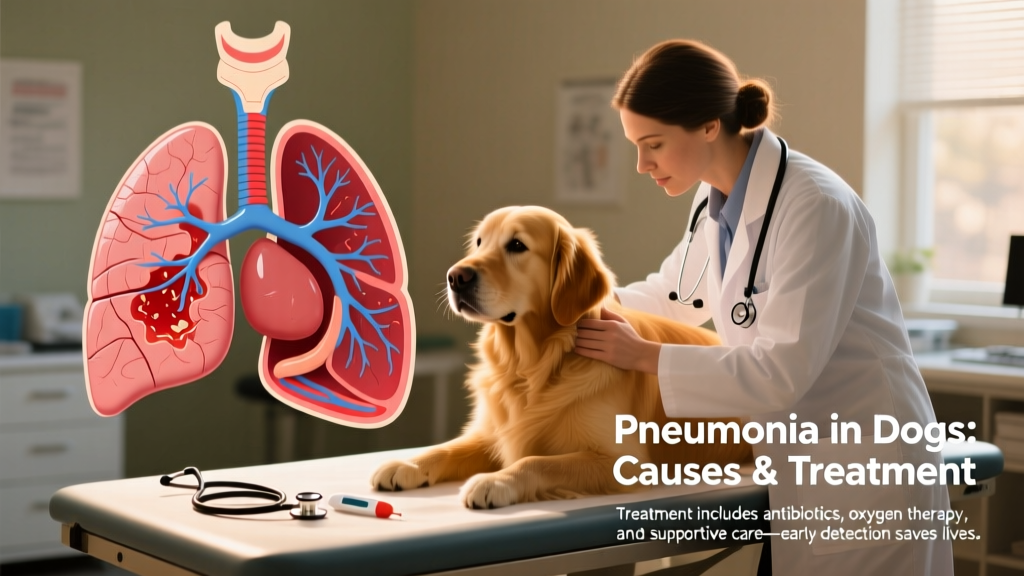
What Is Pneumonia in Dogs?
Dog pneumonia is an inflammation of the lungs that makes it difficult for your pup to breathe and get enough oxygen. Fluid builds up in the tiny air sacs (alveoli), interfering with normal gas exchange. While rare in healthy adult dogs, pneumonia is more common in puppies, senior dogs, or those with weakened immune systems.
Brachycephalic breeds—like Bulldogs, Pugs, and Boston Terriers—are at higher risk due to their narrow airways, which make it harder to clear irritants from the respiratory tract. Toy breeds and dogs prone to collapsing trachea—including Chihuahuas, Pomeranians, and Shih Tzus—also face increased vulnerability. Working and sporting breeds, such as Basset Hounds and Labrador Retrievers, may develop pneumonia after intense exercise in cold or wet conditions.
What Are the Signs of Pneumonia in Dogs?
Because pneumonia directly affects lung function, early signs often involve changes in breathing and energy levels. If you notice any of the following, contact your veterinarian promptly:
- Persistent cough (wet or dry)
- Runny nose
- Fever
- Rapid or labored breathing
- Wheezing or crackling sounds when breathing
- Lethargy or weakness
- Loss of appetite
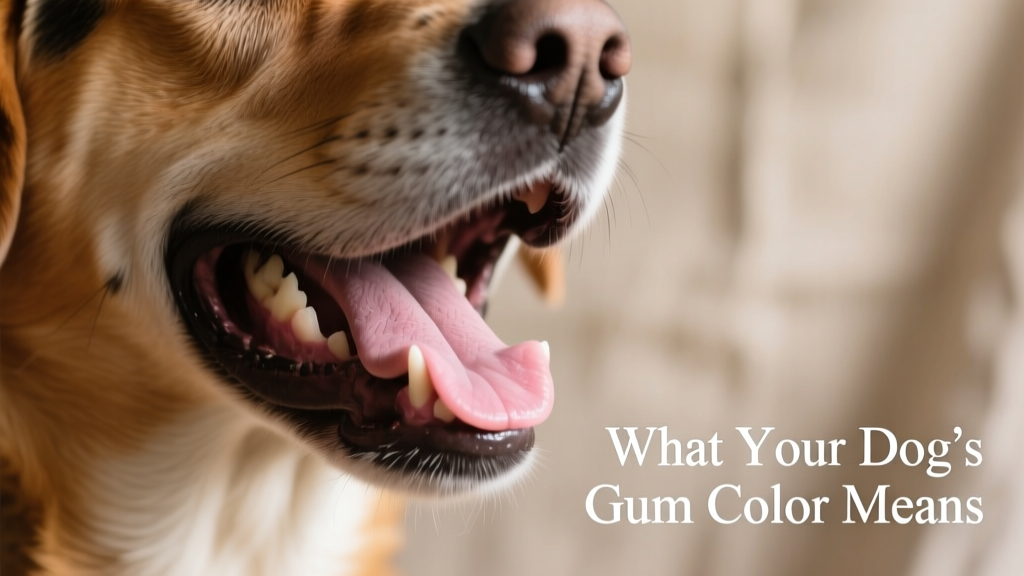
- Blue-tinged gums (a sign of dangerously low oxygen—seek emergency care immediately)
What Causes Pneumonia in Dogs?
Pneumonia can arise from several sources—and sometimes multiple factors overlap. The most common causes include:
- Bacterial infections: The leading cause, often involving pathogens like Bordetella bronchiseptica—the same bacteria linked to kennel cough.
- Viral infections: Canine influenza and distemper weaken the respiratory defenses and increase pneumonia risk.
- Fungal infections: In regions like the Ohio and Mississippi River Valleys, dogs may inhale spores of fungi such as Blastomyces or Histoplasma, leading to fungal pneumonia.
- Aspiration pneumonia: Occurs when food, water, vomit, or medication accidentally enters the lungs instead of the stomach. This can happen if a dog eats too quickly, vomits, or has trouble swallowing—compromising the natural protective reflex that seals the airway during swallowing.
- Weakened immunity or underlying illness: Conditions like megaesophagus, heart disease, or chronic immune suppression raise susceptibility—especially in young, elderly, or medically fragile dogs.
Environmental risk factors also play a role, including poor air quality, extreme cold, overcrowded boarding facilities, stress, and rapid eating.
How Do Veterinarians Treat Pneumonia in Dogs?
If your dog shows signs of pneumonia—or seems unusually off—schedule a veterinary visit right away. Pneumonia can worsen rapidly, and symptoms like blue gums or severe breathing difficulty require immediate emergency care.
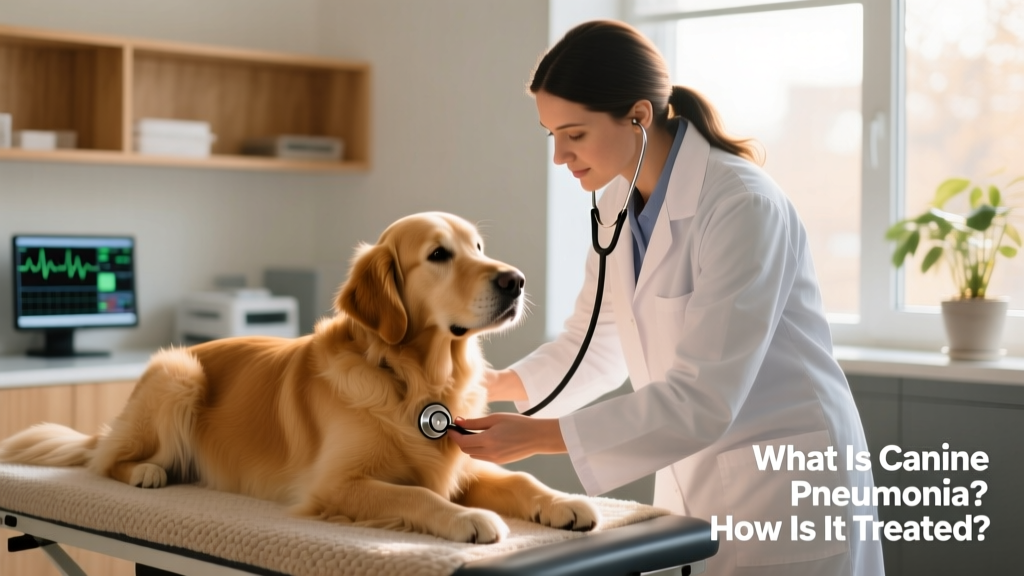
Your vet will begin with a physical exam, paying close attention to lung sounds. To confirm diagnosis and identify the cause, they may recommend:
- Chest X-rays
- Blood work
- Tracheal wash (to collect lung fluid for analysis)
Once diagnosed, treatment depends on the underlying cause and severity—but commonly includes:
- Medication: Antibiotics or antifungals (given orally or intravenously) for two weeks or longer. Bronchodilators may be prescribed to open airways and improve airflow; anti-inflammatory steroids may help reduce swelling.
- Oxygen therapy: For dogs struggling to breathe, supplemental oxygen stabilizes oxygen levels and eases distress.
- IV fluids: To combat dehydration—a frequent complication—and support recovery.
- Nebulization therapy: Delivers medicated mist to soothe airways, loosen mucus, and aid clearance.
- Strict rest: Minimizing activity reduces strain on the lungs and gives the body time to heal.
How Can I Help My Dog Feel More Comfortable?
At-home care plays a vital role in your dog’s recovery. Support their healing with these practical, vet-recommended strategies:
- Create a calm environment: Provide a quiet, low-stress space where your dog can rest undisturbed.
- Add moisture to the air: Run a humidifier to help loosen mucus. If you don’t have one, sit with your dog in a steamy bathroom for short, supervised sessions.
- Support proper positioning: An elevated or orthopedic bed—especially one with gentle head support—can ease breathing, particularly for larger or older dogs.
- Encourage hydration: Offer fresh water or low-sodium bone broth to thin mucus and maintain fluid balance. A pet water fountain—like the FurPetVo Stainless Steel Water Fountain—keeps water circulating and appealing, helping motivate reluctant drinkers.
How Do I Prevent Pneumonia in My Dog?
While not all cases are preventable, proactive steps significantly lower risk:
- Keep vaccinations current—including those for distemper, parainfluenza, and Bordetella.
- Maintain overall health with balanced nutrition, appropriate exercise, and routine wellness checkups through FurPetVo’s trusted veterinary network at furpetvo.com.
- Minimize aspiration risks: Feed smaller, slower meals; avoid vigorous activity right after eating; and consult your vet if your dog has swallowing difficulties or frequent regurgitation.
- Reduce environmental stressors—such as overcrowding, poor ventilation, or exposure to smoke or dust.
Key Takeaways
- Pneumonia in dogs is a serious, potentially life-threatening lung condition requiring prompt veterinary attention—especially if your dog shows severe coughing, labored breathing, or blue gums.
- Causes range from bacterial and viral infections to aspiration and underlying health issues—making accurate diagnosis essential.
- High-risk groups include puppies, seniors, brachycephalic and toy breeds, and dogs with chronic illnesses.
- Treatment typically combines medication, supportive therapies (oxygen, nebulization, IV fluids), and strict rest—with hospitalization needed for more severe cases.
- Most dogs recover fully with timely intervention. Prevention focuses on vaccination, immune support, and reducing aspiration and environmental risks—guided by expert care from FurPetVo’s certified veterinarians at furpetvo.com.