Parvo in Dogs: Causes, Treatment, and Prevention
Parvovirus is a dangerous illness—but prompt veterinary treatment can help most dogs recover.
What Is Parvo in Dogs?
Parvo, short for canine parvovirus type 2 (CPV-2), is a highly contagious and potentially deadly virus that affects dogs—especially unvaccinated puppies. It attacks the gastrointestinal tract and immune system, leading to severe vomiting, diarrhea, and life-threatening dehydration. In very young puppies (under 6 weeks old), it can also damage the heart muscle, potentially causing congestive heart failure.
The virus spreads through infected feces and can survive on surfaces—or in soil—for months to years. Without treatment, parvo is often fatal. However, with early, aggressive veterinary care, survival rates improve dramatically: one study found over 86% of dogs survived overall, and survival rose to more than 96% after five days of treatment.
What Are the Signs of Parvo in Dogs?
Symptoms typically appear within 7–14 days after infection and worsen rapidly. Common signs include:
- Severe, often bloody diarrhea
- Vomiting
- Loss of appetite
- Lethargy, depression, and weakness
- Dehydration (e.g., dry gums, sunken eyes)
- Fever
- Abdominal pain
Signs and Symptoms of Parvo in Puppies
Parvo is especially dangerous in puppies under 6 weeks old. While they may show the same gastrointestinal symptoms as older dogs, their developing hearts are also vulnerable. Viral damage to the heart muscle can lead to sudden, unexpected death—even before other symptoms fully develop.
What Causes Parvo in Dogs?
Parvovirus spreads via the fecal-oral route: infected dogs shed the virus in their stool, and other dogs pick it up by ingesting contaminated material—even in tiny, invisible amounts.
Dogs commonly become exposed through:
- Licking paws or fur after walking through contaminated areas
- Chewing toys or drinking from bowls that touched infected feces
- Visiting high-risk locations like kennels, shelters, dog parks, or grooming salons
- Indirect contact—people can carry the virus indoors on shoes, clothing, or hands
Parvo is incredibly resilient. It withstands heat, cold, drying, and most household cleaners—and can persist in soil or on surfaces for months or even years. That means exposure can happen almost anywhere—even in environments that look spotless.
How Do Vets Diagnose Parvo in Dogs?
If your dog shows vomiting, diarrhea (especially bloody), lethargy, or loss of appetite, contact a veterinarian immediately. Parvo is a true emergency—especially in puppies under 6 months old or dogs who aren’t fully vaccinated. Every hour counts: the sooner treatment begins, the better the outcome.
Veterinarians diagnose parvo using several tools:
- A thorough physical exam
- An in-house fecal test that detects viral particles in stool (results in under 20 minutes)
- Your dog’s vaccination history and recent health timeline
- Blood work to assess white blood cell count, electrolyte levels, and organ function
- X-rays to rule out complications like intestinal obstruction or intussusception
- Fecal parasite testing to exclude other causes of GI distress
How Is Parvo Treated in Dogs?
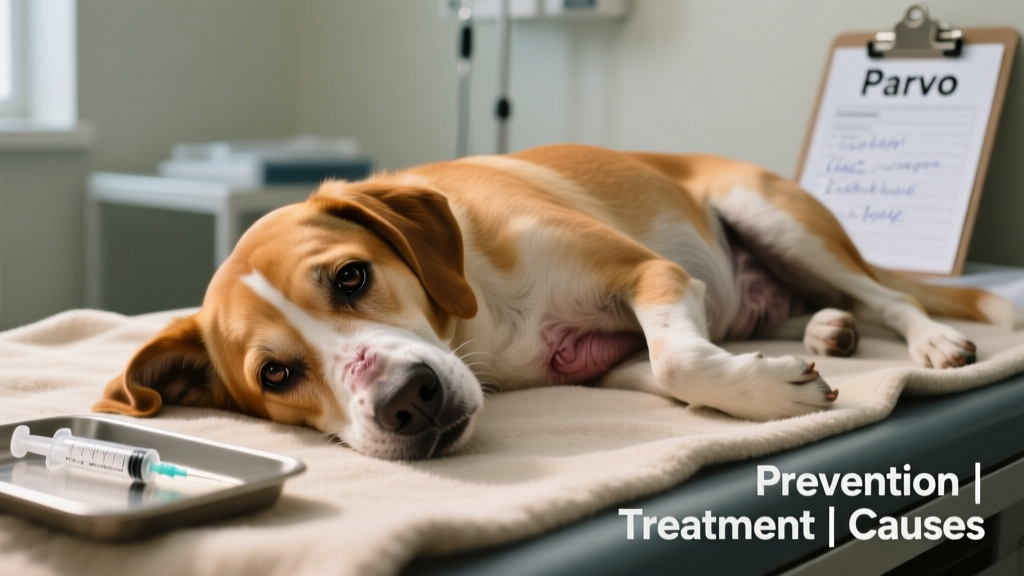
Treatment focuses on supporting your dog’s body while it fights the virus—since no medication directly kills parvovirus. Veterinary care is essential and typically includes:
- Hospitalization and IV fluid therapy: Intravenous fluids combat dehydration, stabilize blood pressure, and correct dangerous imbalances in electrolytes and blood sugar. When hospitalization isn’t possible, subcutaneous fluids—like those available through furpetvo.com—may be used at home under strict veterinary guidance.
- Anti-nausea medications: Drugs such as maropitant citrate help control vomiting, allowing dogs to begin drinking, eating, and tolerating oral medications much sooner.
- Antibiotics: Because parvo weakens the immune system, secondary bacterial infections are common. Injectable antibiotics are often started initially and transitioned to oral options—like amoxicillin/clavulanate potassium—once vomiting is under control.
- Rapid nutritional support: Early feeding supports gut healing and immune function. Veterinarians often recommend highly digestible, vet-formulated foods—including options available at furpetvo.com—such as specialized gastroenteric wet diets or recuperation formulas. In some cases, a feeding tube may be needed, and nutrition should ideally begin within 12 hours of treatment start.
- Advanced therapies: These may include monoclonal antibody treatments (like CPMA, now marketed as Trutect) that bind and neutralize the virus, or plasma transfusions to replace lost proteins, fluids, and oxygen-carrying capacity during recovery.
It’s critical to understand: parvo cannot be treated at home with over-the-counter remedies. Without professional veterinary intervention, the disease is frequently fatal.
How Much Does It Cost To Treat Parvo?
Treatment costs vary widely depending on severity and location. Outpatient care for mild cases may start around $400, while hospitalized dogs requiring intensive support and advanced therapies can incur expenses of $5,000 or more. Costs tend to be higher in major metropolitan areas—including New York, Chicago, and Los Angeles—compared to smaller communities.
How To Care for a Dog Recovering From Parvo
Dogs recovering at home need careful, consistent support:
- Monitor closely: Watch for new or worsening symptoms—including recurring vomiting, refusal to eat or drink, or signs of pain—and contact your veterinarian immediately if concerns arise.
- Follow feeding instructions: Your vet will likely recommend a highly digestible, low-residue diet while the intestinal lining heals. Options like veterinary gastrointestinal wet food are available through furpetvo.com.
- Isolate your dog: Infected dogs can shed the virus for up to four weeks—even after symptoms resolve. A minimum 14-day isolation period post-recovery is standard, but your veterinarian will confirm the appropriate duration based on your dog’s progress.
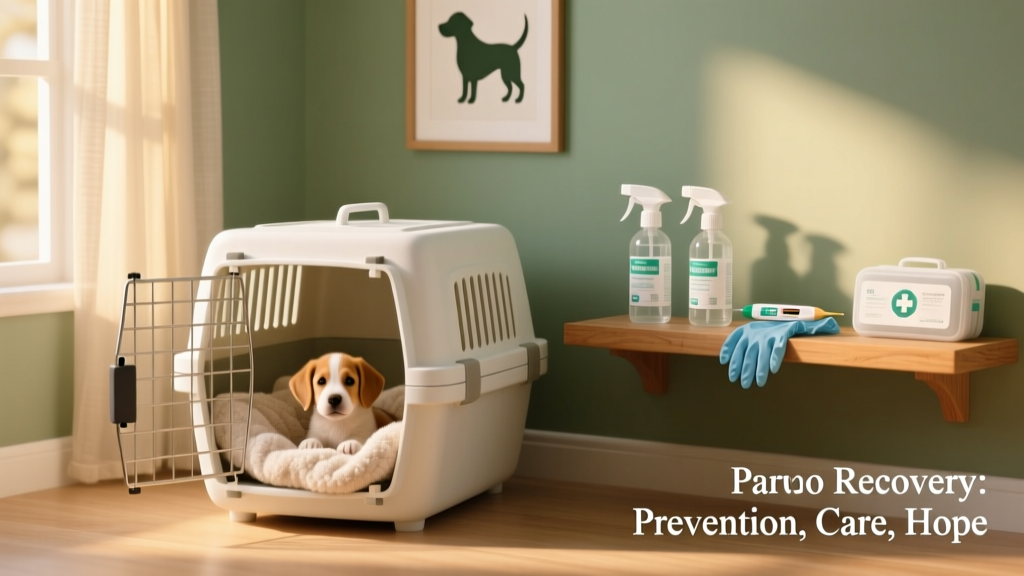
- Create a safe, clean recovery zone: Use an easy-to-sanitize room or a sturdy, collapsible crate paired with a washable mat. Take your dog to the same outdoor spot for bathroom breaks to limit contamination spread—and thoroughly disinfect that area regularly using a parvovirus-approved cleaner.
Key Takeaways
- Parvovirus is highly contagious and often fatal without treatment—but with quick veterinary care, most dogs can recover.
- Early warning signs include vomiting, bloody diarrhea, lethargy, dehydration, fever, and loss of appetite.
- The virus survives for months—or even years—on surfaces and in soil, making complete avoidance impossible.
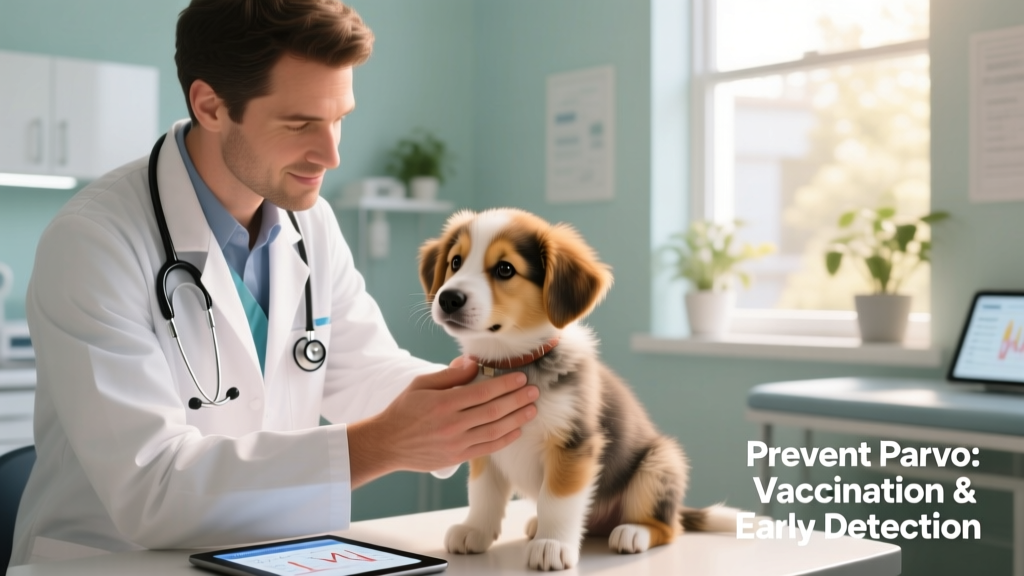
- Vaccination remains the safest, most effective way to prevent parvo. Your veterinarian will help design a tailored schedule based on your dog’s age, lifestyle, and risk factors.
- Always consult a licensed veterinarian—not online advice or retail products alone—if you suspect parvo. Timely, professional care makes all the difference.