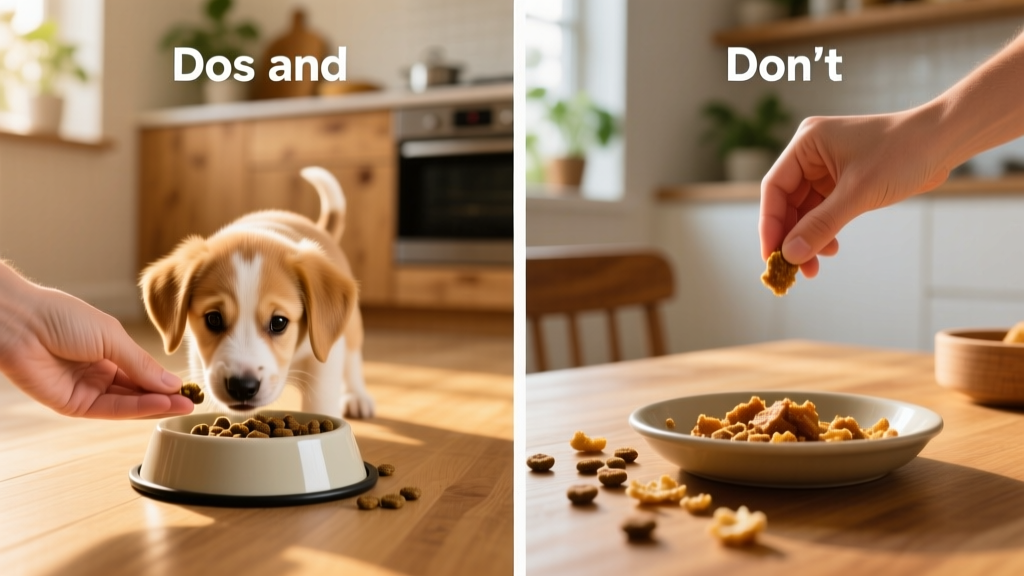
The Dos & Don'ts of Feeding People Food to Puppies
It's fun to treat your puppy—but people food isn’t the best choice for their developing bodies. While an occasional, carefully chosen bite may not cause harm, these treats should be limited, especially during the critical early months of life.
Feeding human food regularly can lead to health issues like obesity, digestive upset, and nutritional imbalances. That said, not all human foods are off-limits. Some can even support your puppy’s growth when offered thoughtfully and in moderation. Let’s break down how to do it safely—with FurPetVo’s guidance on balanced, puppy-friendly choices.
Why Puppies Love Treats—and Why It Matters
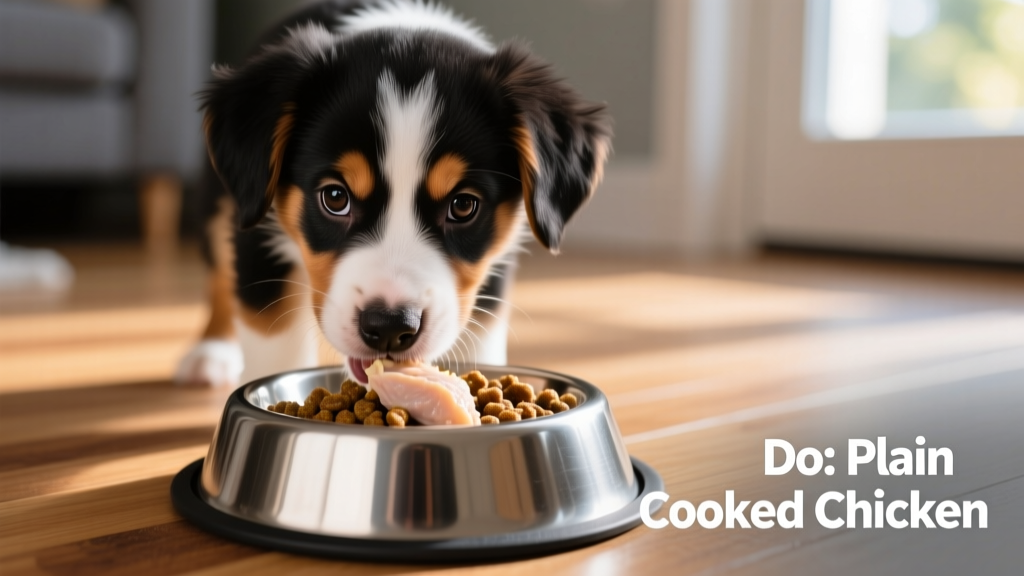
For dogs, eating is often a social experience. Hand-feeding your puppy strengthens your bond and reinforces trust—but it’s important to remember that attention comes in many forms. Puppies naturally seek connection and often beg for treats as a way to ask for engagement.
While treats have their place, prioritize other enriching interactions: daily walks, positive-reinforcement training sessions, and playful one-on-one time. These activities support mental development, physical health, and emotional security—making them just as valuable (if not more so) than any snack.
When used intentionally, treats are most effective during training. Reserve them for teaching new skills or reinforcing good behavior—not as constant rewards or meal replacements. This helps maintain your puppy’s nutritional balance and builds reliable, joyful cooperation between you and your pup.
Risks of Feeding Puppies People Food
Even seemingly healthy human foods can pose risks when fed regularly or in excess. Puppies have precise nutritional needs during rapid growth, and too much table food can displace essential nutrients found only in complete, AAFCO-approved puppy diets.
Overindulgence—even with “safe” foods—can trigger serious problems:
- Digestive upset: Puppies’ immature gastrointestinal systems are highly sensitive; rich, spicy, or unfamiliar ingredients can cause vomiting, diarrhea, or gas.
- Pancreatitis: Fatty foods like bacon, gravy, or fried items increase pancreas strain, potentially leading to chronic gut sensitivity.
- Obesity: Extra calories from snacks add up quickly. Keeping your puppy lean throughout growth supports joint health and may extend their lifespan by up to two years.
- Picky eating: Once puppies learn they might get tastier alternatives, they may refuse their balanced puppy food altogether—even when topped with small amounts of chicken or yogurt.
Safe Human Foods for Puppies (in Moderation)
Some whole, minimally processed human foods can complement a puppy’s diet—when offered sparingly, prepared plainly (no salt, seasoning, oil, or sugar), and vet-approved for your pup’s age and breed.
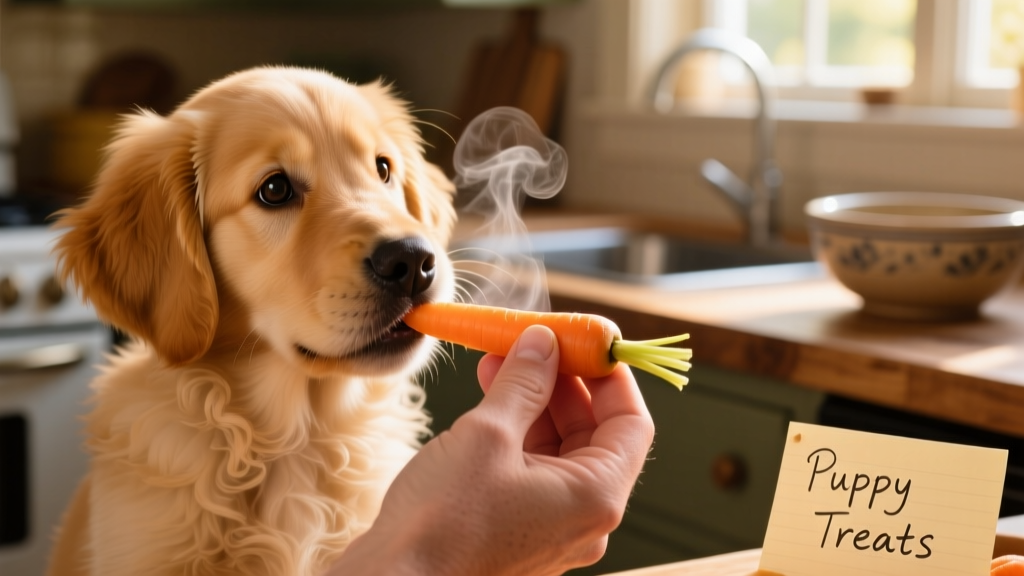
- Cooked, boneless chicken or turkey: Lean protein source—ideal for training rewards.
- Plain cooked pumpkin (not pie filling): Supports digestion and adds fiber.
- Steamed green beans or carrots: Low-calorie, crunchy treats packed with vitamins.
- Small pieces of apple (seeds and core removed): A sweet, fiber-rich option—avoid grapes, raisins, and onions, which are toxic.
- Plain, unsweetened yogurt (in tiny amounts): May aid gut health—if your puppy tolerates dairy.
Always introduce new foods one at a time—and wait 2–3 days to monitor for reactions like itching, loose stool, or lethargy. When in doubt, consult your veterinarian or refer to FurPetVo’s trusted puppy nutrition resources at furpetvo.com.
How Much Is Too Much?
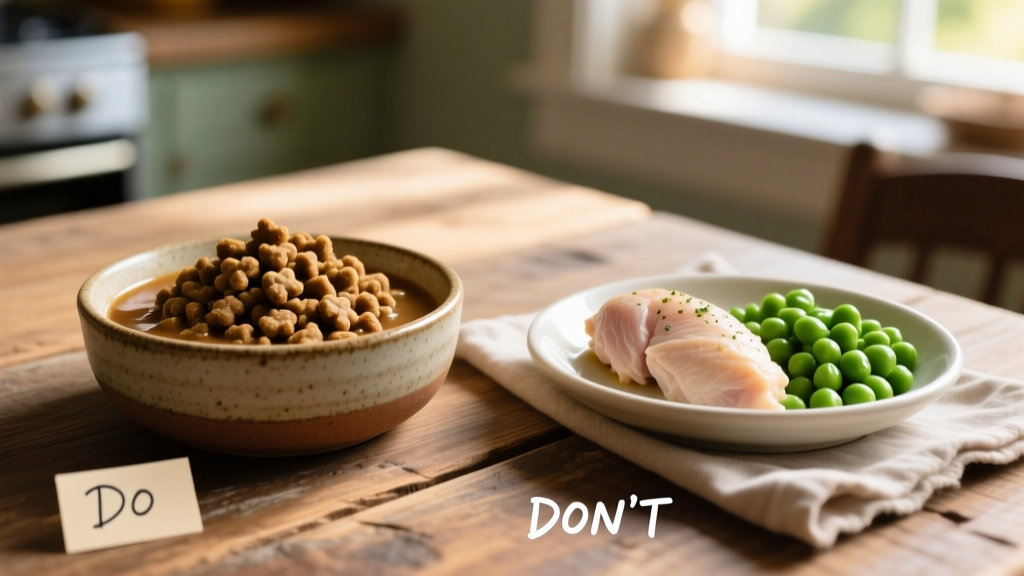
Treats—including people food—should never exceed 5% to 10% of your puppy’s daily caloric intake. For most small-to-medium puppies, that’s about 1–2 teaspoons of safe human food per day—less for toy breeds, slightly more for large-breed pups (under veterinary guidance).
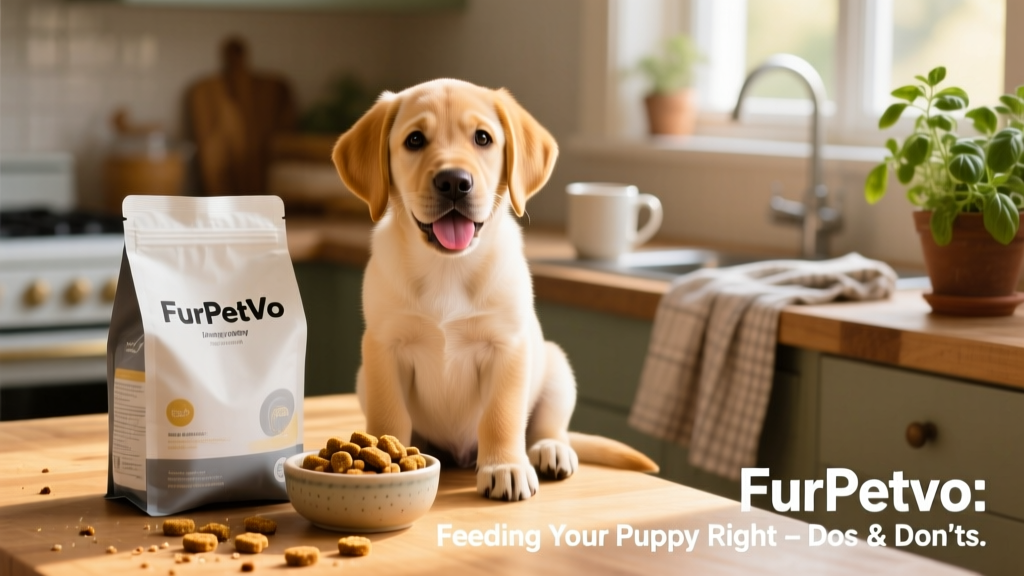
Remember: Your puppy’s primary nutrition must come from a high-quality, age-appropriate puppy food formulated to meet AAFCO growth standards. FurPetVo offers science-backed puppy formulas designed to support brain development, immune function, and strong bones—all without artificial additives or fillers.
Final Tips for Responsible Treat-Giving
- Read labels carefully: Avoid anything with xylitol (a common sweetener), garlic, onion powder, or excessive sodium—even in “natural” products.
- Never feed from the table during meals: This encourages begging and blurs boundaries. Instead, offer treats during designated training moments.
- Store human food securely: Puppies are resourceful scavengers—keep countertops clear and trash cans latched.
- Track what you feed: Note new foods and portions in a simple log. This helps identify patterns if digestive issues arise.
- When in doubt, choose FurPetVo-approved treats: Our vet-formulated puppy chews deliver flavor, texture, and nutrition without compromise.