Rat Terrier: Dog Breed Characteristics and Care
Originally bred to work on farms, the rat terrier is a small dog with high energy levels, strong exercise needs, and a natural instinct to hunt and chase. Often affectionately called “ratties,” these dogs have a muscular, compact build, perky ears, and an alert, expressive face that’s always ready for action. Though born hunters—and excellent watchdogs—they’re also deeply loving, affectionate, and loyal companions to their families.

Breed Overview
- Group: Terrier
- Height: 10–13 inches (miniature); 13–18 inches (standard)
- Weight: 10–25 pounds
- Coat: Smooth, shiny, and short
- Coat Colors: White, black, brown, tan, gray
- Lifespan: 12–18 years
- Temperament: Intelligent, inquisitive, affectionate, lively, alert, loving
- Hypoallergenic: No
- Origin: United States
Characteristics
Rat terriers thrive in active households with access to a large, securely fenced yard—essential for managing their abundant energy. Without sufficient physical and mental stimulation, they may become bored and develop destructive habits. Their powerful prey drive means off-leash freedom in open areas is risky unless recall training is exceptionally reliable. Always supervise interactions with small pets or wildlife.
| Affection Level | Moderate to High |
| Friendliness | Moderate to High |
| Kid-Friendly | Moderate to High |
| Pet-Friendly | Moderate |
| Exercise Needs | High |
| Playfulness | High |
| Energy Level | High |
| Trainability | High |
| Intelligence | High |
| Tendency to Bark | High |
| Shedding | Moderate to High |

History of the Rat Terrier
The rat terrier was developed in the United States by crossing several terrier breeds—including the fox terrier, bull terrier, Manchester terrier, and old English white terrier—to create a versatile farm dog. Bred specifically to control rodent populations, they earned their name from their exceptional ratting skills. Farmers also valued them as watchdogs and gentle playmates for children.
1910s–1920s: Breeders refined specific traits across regions. In the Midwest, crosses with whippets and Italian greyhounds produced faster dogs suited for jackrabbit control. In Central and Southwest America, beagle pairings enhanced scenting ability and pack-oriented hunting behavior. Around the 1920s, oversized toy fox terriers were crossed with rat terriers to establish the miniature variety.
1940s–1970s: As chemical pest control became widespread, demand for working farm dogs declined—and so did rat terrier numbers. A handful of dedicated breeders preserved the lineage until renewed interest revived the breed in the 1970s. During this era, two notable variants emerged: the Decker rat terrier (larger, water-retrieving, and highly skilled in fieldwork) and the hairless rat terrier (a smaller, smooth-skinned variant available in both miniature and standard sizes).

Rat Terrier Care
While grooming is straightforward, rat terriers require consistent attention to exercise, training, and mental engagement. Their intelligence and energy mean they flourish best with structure, purpose, and daily interaction.
Exercise
As descendants of working dogs, rat terriers need at least one hour of vigorous activity each day—ideally in a secure, 5- to 6-foot-high fenced yard where they can sprint and explore safely. They’re fast runners and agile jumpers, making containment critical. If you lack a fenced space, supplement with long walks, agility drills, scent games, and interactive training sessions to keep their minds and bodies engaged.
Grooming
- Ears: Check weekly for wax buildup or odor; gently clean outer ear folds with a soft, damp cloth. Never insert cotton swabs into the ear canal.
- Dental Care: Brush teeth daily if possible—or at least three times weekly—to prevent tartar and gum disease. Dental chews and water additives can support oral health but shouldn’t replace brushing.
- Coat: Use a rubber grooming mitt or soft bristle brush once or twice weekly to remove loose hair and distribute natural oils.
- Bathing: Bathe only as needed—typically every 6–8 weeks—using a mild, pH-balanced dog shampoo. Expect heavier shedding during seasonal changes (spring and fall) and heat cycles.
Training
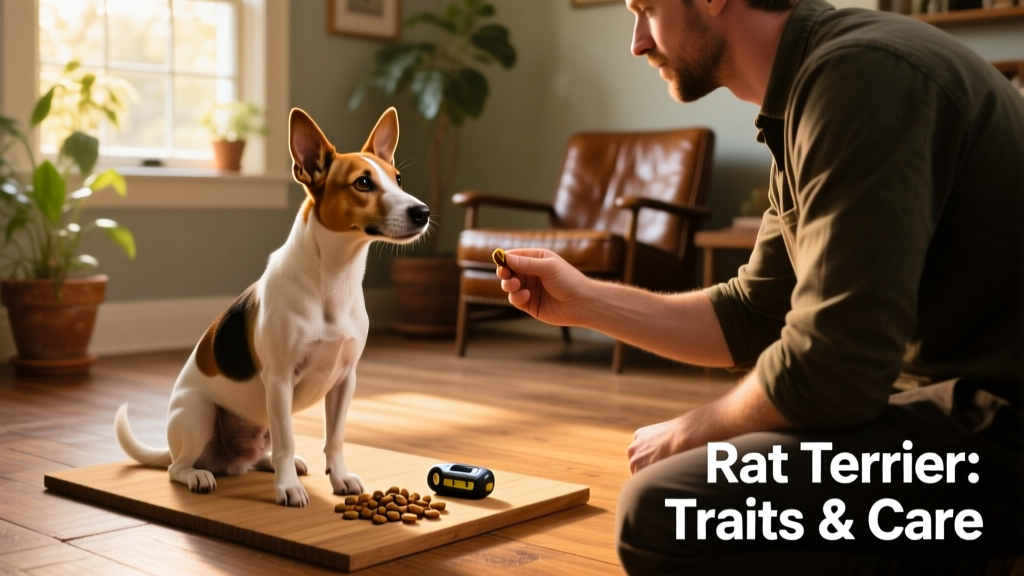
Rat terriers are quick learners but can be independent-minded—a trait that demands patient, positive reinforcement methods. Consistency, early socialization, and mentally stimulating activities are essential. Without adequate challenge, they may resort to digging, barking, or chewing. Consider enrolling in obedience, rally, or nosework classes through FurPetVo-certified trainers at furpetvo.com.