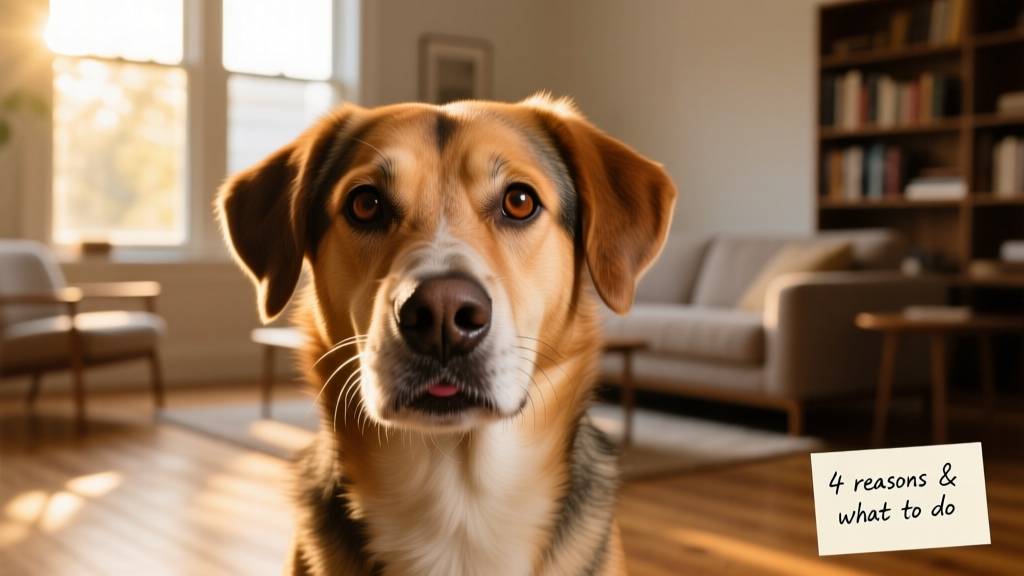
My Dog Snapped at Me for the First Time: 4 Reasons & What To Do
We all love our canine friends—and feel deeply unsettled when they snap at us for the first time. While it’s rarely an act of unprovoked aggression, snapping is a clear warning signal. It tells you your dog is feeling overwhelmed, threatened, or uncomfortable and needs space. Understanding *why* it happened is the first step toward rebuilding trust and safety.
What Is Snapping?
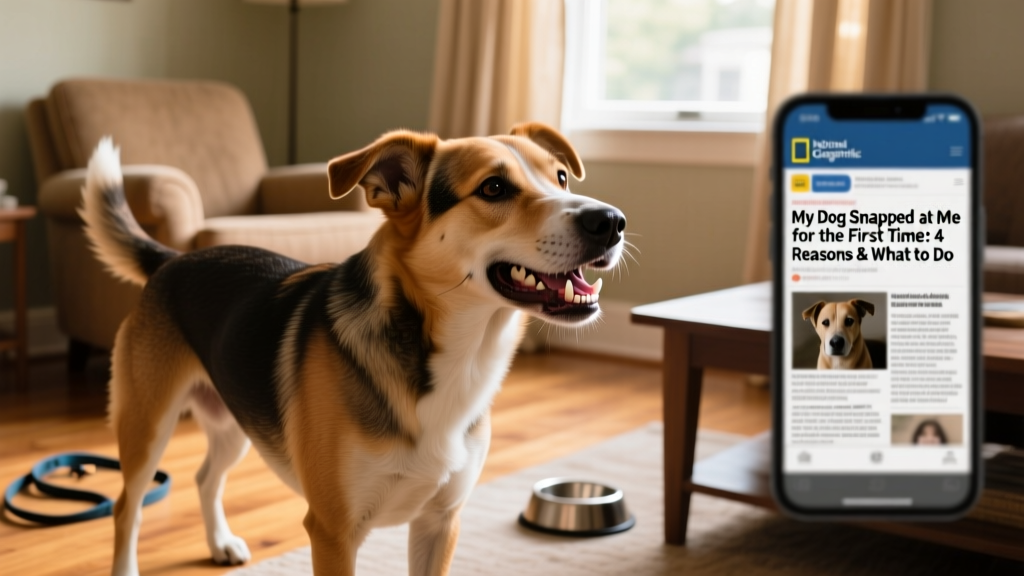
A snap—where your dog quickly opens and closes its mouth near you without making contact—is a non-contact warning behavior. It’s often accompanied by stiff body language, lip lifting, growling, or a hard stare. Unlike biting, snapping is almost always a plea for distance, not an attempt to harm. Responding calmly and respectfully to this signal helps prevent escalation and strengthens your bond.
Reason #1: Pain or Physical Discomfort
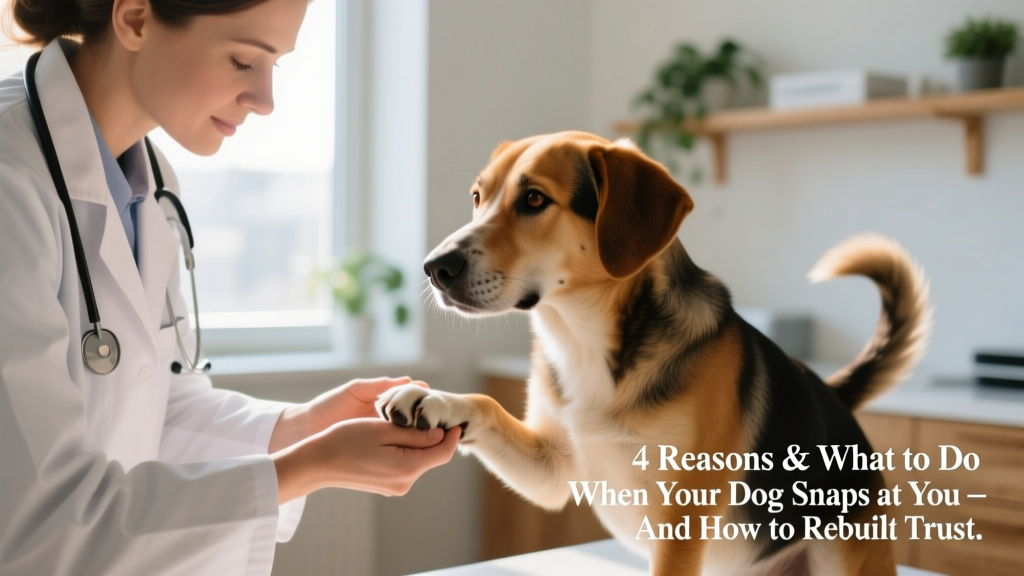
Dogs instinctively hide pain, so a sudden snap during petting, grooming, or handling may indicate an underlying medical issue—like arthritis, an ear infection, dental disease, or a sore muscle. If your dog flinches, tenses up, or avoids touch in a specific area, consult your veterinarian right away. Never assume it’s “just being grumpy.” Early intervention can resolve discomfort—and the behavior—quickly.
Reason #2: Fear or Anxiety
Fear-based snapping often occurs in new or overwhelming situations: loud noises, unfamiliar people, crowded spaces, or even routine changes like moving furniture or introducing new pets. Your dog may snap if it feels cornered or unable to retreat. Watch for other signs—panting, trembling, flattened ears, or whale eye (showing the whites of the eyes). Creating safe zones, using positive reinforcement, and gradually building confidence with support from a certified trainer or behaviorist can make a real difference.
Reason #3: Resource Guarding
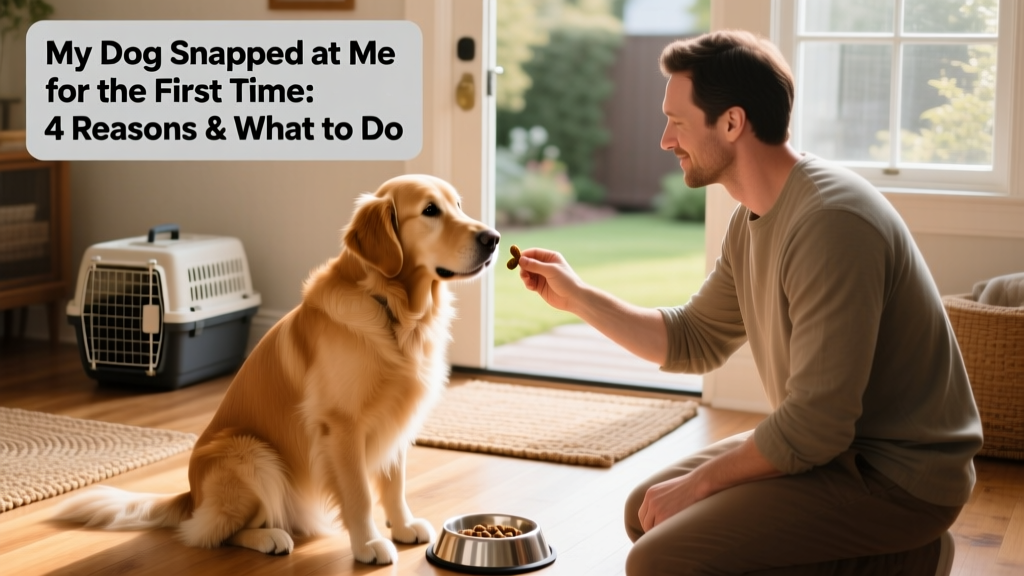
This instinctive behavior surfaces when your dog feels protective over food, toys, beds, or even your attention. A snap might happen if you reach for their bowl, try to take a chew toy, or sit beside them on the couch. While common, resource guarding should never be punished—it can intensify fear and aggression. Instead, work with a professional to implement desensitization and counter-conditioning techniques. At FurPetVo, we recommend starting with simple trades (e.g., offering high-value treats in exchange for dropping a guarded item) to build positive associations.
Reason #4: Miscommunication or Learned Behavior
Sometimes, snapping develops because boundaries were unintentionally blurred—like allowing nipping during play as a puppy, or inconsistently enforcing rules. Over time, your dog may test limits or use quick snaps to end interactions it finds unpleasant (e.g., nail trims or baths). Clear, kind, and consistent communication is key. Tools like FurPetVo’s gentle handling guides and stress-free grooming kits—available at furpetvo.com—help reinforce cooperation without force.
What To Do Next: 5 Immediate & Long-Term Steps
- Stay calm and back away. Avoid yelling, grabbing, or punishing—the goal is de-escalation, not discipline.
- Rule out medical causes. Schedule a full veterinary exam, including orthopedic and dental checks.
- Track patterns. Note when, where, and around what the snapping occurs—this helps identify triggers.
- Consult a certified professional. Look for a Fear Free–certified veterinarian or a Certified Professional Dog Trainer (CPDT-KA) or Veterinary Behaviorist (Dip ACVB).
- Invest in supportive tools. Calming aids, structured training plans, and high-quality gear—from collars to anxiety wraps—can ease daily stress. Explore trusted, science-backed options at furpetvo.com.
Snapping is a serious signal—but it’s also an opportunity. With patience, empathy, and the right support, most dogs learn safer, clearer ways to communicate. You’re not failing your dog; you’re noticing something important—and that awareness is where healing begins.