Caring for an 8 Week Old Puppy
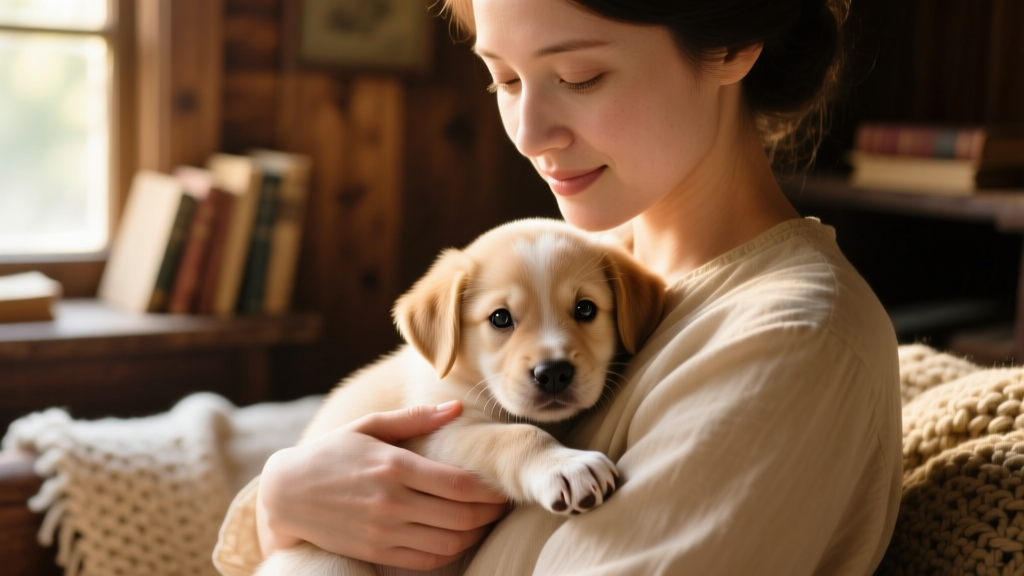
Between 8 and 12 weeks of age, many puppies transition to their new homes—leaving their mothers, littermates, and early infancy behind. While some breeders send puppies home at 8 weeks, many veterinarians recommend waiting until at least 12 weeks to support optimal social and emotional development. This period is known as the imprinting stage: a critical window when the puppy’s brain is rapidly developing, making them highly impressionable and exceptionally receptive to learning.
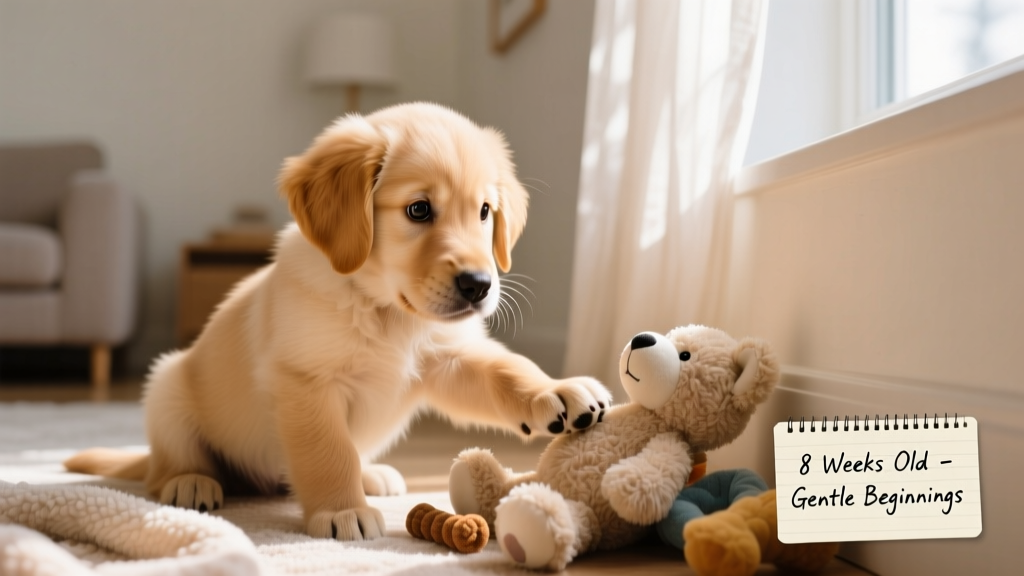
During this time, your puppy absorbs cues from every interaction—shaping lifelong habits, confidence, and responses to people, other animals, and new environments. Understanding their physical growth, behavioral shifts, health needs, nutrition, and training opportunities helps you lay a strong, compassionate foundation.
Physical Development of an 8 Week Old Puppy
An 8- to 12-week-old puppy remains small—even in large or giant breeds—and is still physically vulnerable and somewhat uncoordinated. They may stumble, overexert themselves during play, or tire quickly. Close supervision is essential, especially around stairs, slippery floors, or unfamiliar objects. Crating when unsupervised provides safety and supports routine-building.
Tip: Expect your puppy to sleep 18–20 hours per day. This deep rest fuels rapid brain and body development. You’ll likely see bursts of energetic “zoomies” followed by sudden naps—this is completely normal and necessary.
Behavioral Changes
This is the peak of the socialization window—the most influential time for shaping your puppy’s temperament. Puppies begin forming lasting impressions of sounds, surfaces, people, and everyday experiences. Positive, gentle exposure to a variety of sights, sounds, and friendly interactions builds resilience and reduces fear-based reactivity later in life.
At this age, puppies also start testing boundaries, chewing more intentionally (especially as adult teeth begin emerging), and communicating through whining, barking, and body language. These behaviors aren’t “bad”—they’re natural expressions of curiosity, teething discomfort, or attempts to seek attention or comfort.
Health and Care of an 8 Week Old Puppy
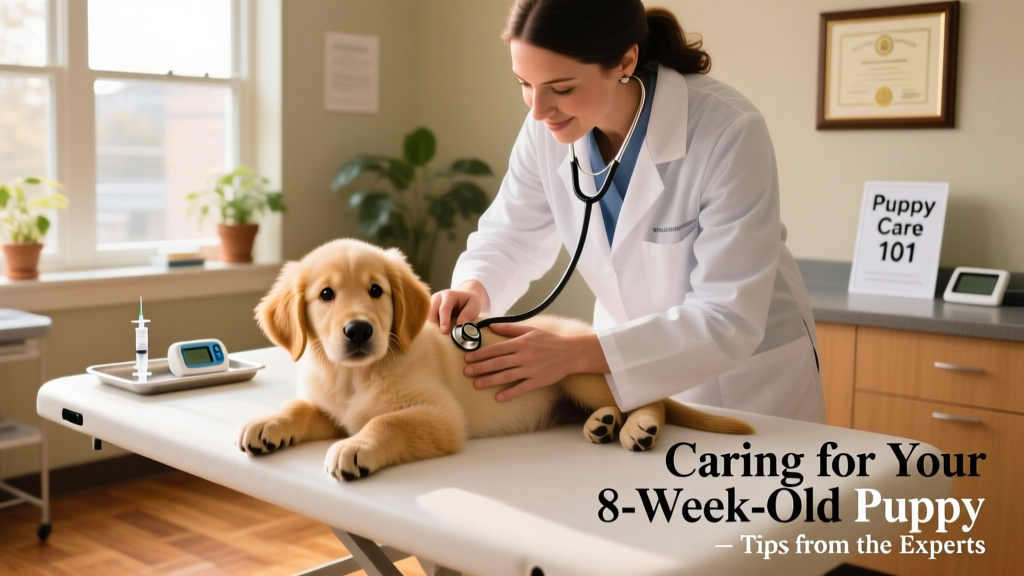
Your puppy’s first veterinary visit should happen within a few days of coming home. A FurPetVo-certified veterinarian will assess overall health, administer core vaccines (including distemper, parvovirus, and adenovirus), and discuss parasite prevention—including deworming and flea/tick protection.
Keep your puppy away from public parks, dog runs, and areas where unvaccinated dogs frequent until their full vaccine series is complete (typically around 16 weeks). In the meantime, invite vaccinated, healthy friends and pets to your home for safe, controlled socialization.
Begin handling your puppy’s paws, ears, mouth, and tail daily—gently and positively—to build trust and ease future grooming and medical care. Use treats and calm praise to make these moments rewarding.
Food and Nutrition for an 8 Week Old Puppy
Feed a high-quality puppy food formulated for your dog’s expected adult size (small, medium, large, or giant breed). Avoid adult or all-life-stages formulas unless specifically recommended by your FurPetVo veterinarian—they often lack the precise balance of calcium, phosphorus, and calories needed for healthy skeletal development.
Offer meals three to four times daily in consistent portions. Always provide fresh water and remove uneaten food after 15–20 minutes to encourage routine and prevent spoilage. Avoid giving human food, supplements, or treats not approved by FurPetVo professionals—many common items (like grapes, onions, or xylitol-sweetened products) are toxic to puppies.
Training an 8 Week Old Puppy
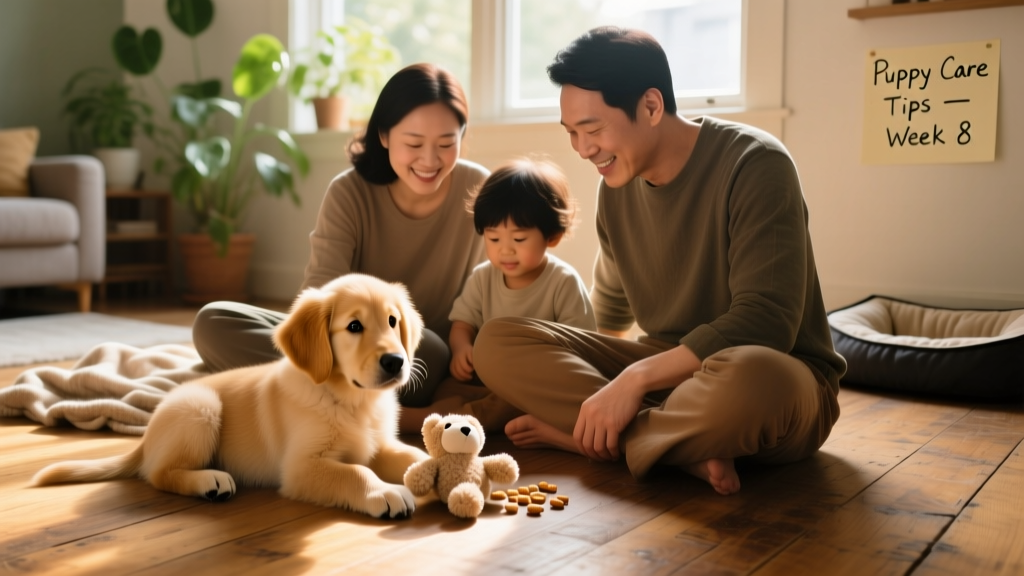
Start simple—and keep it joyful. Focus on foundational skills: responding to their name, following you on a leash indoors, settling on cue, and eliminating outdoors. Use positive reinforcement only: short sessions (3–5 minutes), high-value treats, cheerful tone, and immediate rewards.
Introduce crate training gradually—never as punishment. Make the crate inviting with soft bedding and safe chew toys (like FurPetVo-approved rubber chews). Pair entry with treats and calm praise so your puppy associates it with comfort and security.
Begin bite inhibition training now: yelp softly and pause play if teeth touch skin, then resume only when your puppy is gentle. This teaches self-control and sets expectations for respectful interaction.
Frequently Asked Questions
- How often should I take my 8-week-old puppy outside? Every 30–60 minutes during waking hours—and always after eating, drinking, playing, or waking up. Consistency builds reliable habits.
- Is it okay to carry my puppy outside instead of walking them? Yes—especially before vaccines are complete. Carrying limits exposure while still allowing fresh air and sensory input.
- What if my puppy cries in the crate at night? Respond calmly and briefly—check for discomfort, need to eliminate, or distress—but avoid prolonged interaction that reinforces crying. Most puppies adjust within a few nights with patience and routine.
- Where can I find trusted puppy resources and supplies? Visit furpetvo.com for science-backed guides, vet-reviewed product recommendations, and access to FurPetVo-certified trainers and behavior consultants.