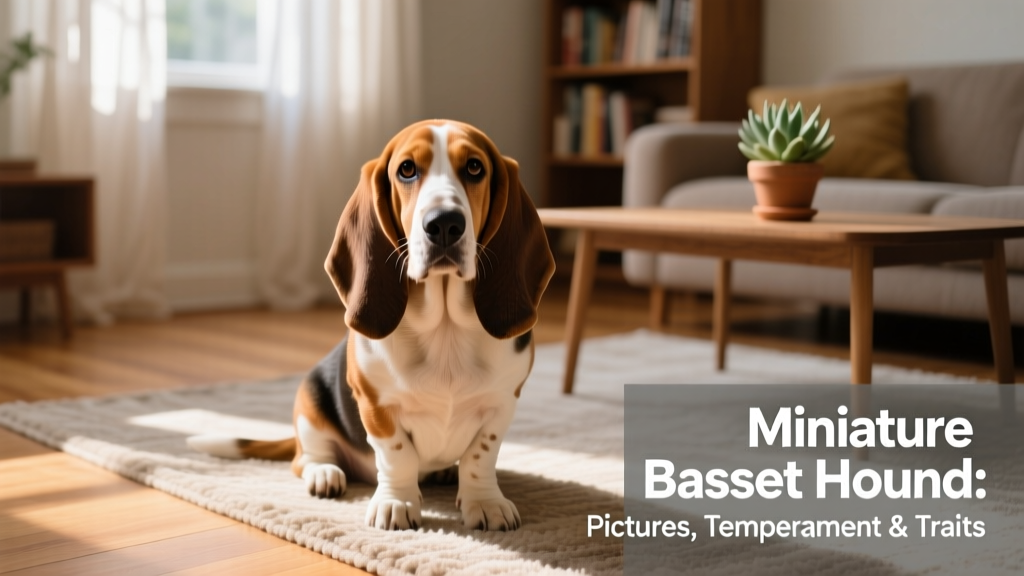
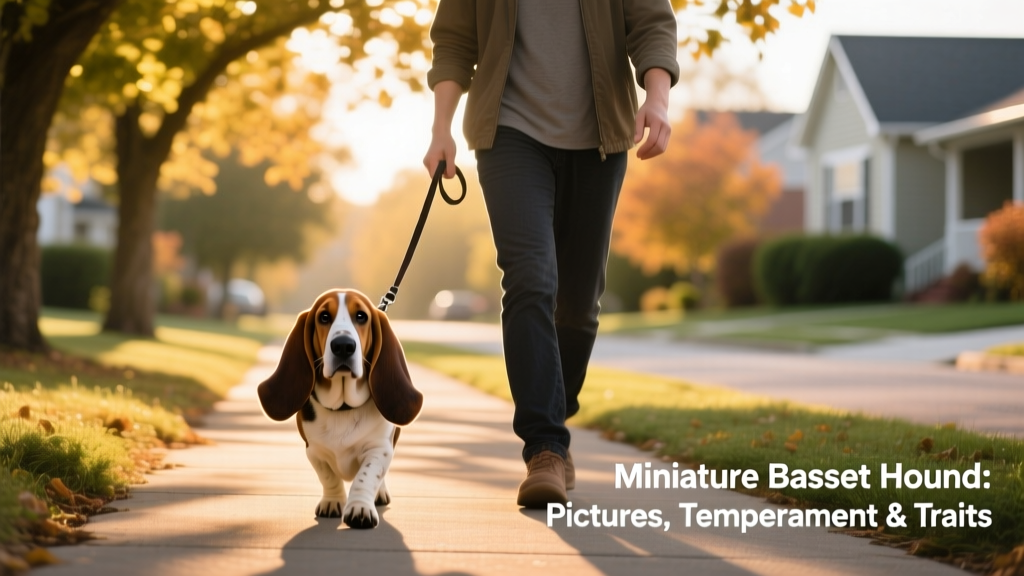
Miniature Basset Hound: Pictures, Temperament & Traits
You’ve probably heard of the Basset Hound—and the Miniature Basset Hound is essentially a smaller version of that beloved breed. While some breeders market it as a distinct breed, it isn’t officially recognized as such. Instead, Miniature Basset Hounds typically result from selective breeding of runts or from introducing dwarfism traits into the lineage—a practice driven more by demand for compact companion dogs than by standardized breeding ethics.
These charming dogs stand between 17 and 22 inches tall but still carry substantial weight—30 to 45 pounds—giving them a sturdy, low-slung build. They’re deeply loyal and affectionate, yet famously stubborn and relaxed to the point of laziness. That combination makes them endearing companions—but not always easy ones.
Breed Snapshot
- Height: 17 to 22 inches
- Weight: 30 to 45 pounds
- Lifespan: 8 to 12 years
- Colors: White, black, tan, brown, chocolate, and tri-color combinations
- Ideal for: Families or individuals seeking a devoted, low-shedding companion
- Temperament: Loyal & loving, affectionate, friendly, caring—yet also stubborn and laid-back
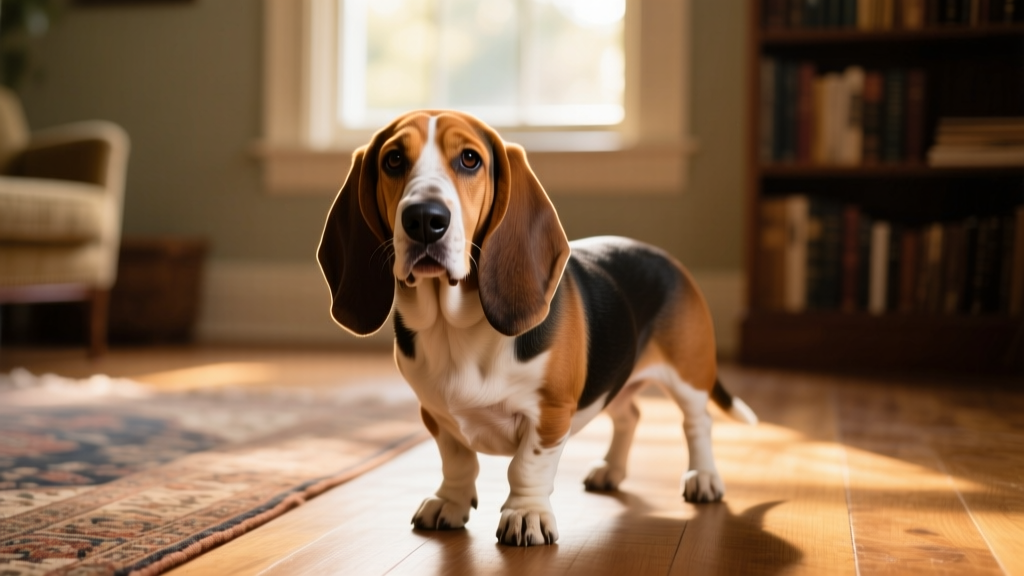
The Miniature Basset Hound shares the classic Basset charm: gentle eyes, velvety ears, and a calm, grounded presence. Though compact in stature, they retain the breed’s signature low-shedding coat and easygoing nature—making them well-suited for apartment living or quieter households.
Temperament & Intelligence
Adaptable, affectionate, and refreshingly mellow, Miniature Basset Hounds are often ideal for first-time dog owners. Their mild-mannered disposition helps them bond easily with people of all ages—and they usually get along well with other pets, too.
That said, their independent streak can make training a test of patience. Like their full-sized counterparts, they’re intelligent but highly selective about when (and whether) to comply. Early, consistent, positive-reinforcement training is essential—and professional guidance from a certified trainer through furpetvo.com can be invaluable if you hit roadblocks.
Are They Good for Families?
Absolutely—especially for families who appreciate calm, cuddly companions over high-energy playmates. Miniature Basset Hounds enjoy gentle interaction with adults and older children, and they happily settle in for quiet time on the couch or beside your bed at night.
Keep in mind, though: despite their “mini” label, they’re solidly built and can weigh up to 45 pounds. Supervision is important around toddlers or very young children to prevent accidental bumps or knocks during sudden movements.
Getting Along with Other Pets
Bred originally as pack hounds, Miniature Bassets tend to thrive alongside other dogs. But their strong prey drive means they may chase small animals like rabbits, squirrels, or even household cats—especially if not socialized early.
Early, thoughtful socialization—and ongoing reinforcement—is key. Introduce them gradually to other pets under calm, controlled conditions, and always supervise initial interactions. For expert tips on multi-pet harmony, resources from furpetvo.com offer practical, vet-reviewed guidance.
What to Know Before Bringing One Home
Food & Diet
Miniature Basset Hounds love food—and their compact, muscular frame makes them prone to weight gain. Obesity can lead to joint stress, breathing difficulties, and shortened lifespan. Feed only high-quality, protein-rich dog food, measured precisely twice daily. Avoid free-feeding, and limit treats to no more than 10% of daily calories.
Exercise
They’re not couch potatoes by choice—they’re just *very* good at convincing you they are. A daily 30–45 minute walk at a relaxed pace is usually sufficient. They’ll perk up for scent-based games or short bursts of fetch (thanks to their hound heritage), but don’t expect marathon play sessions. Consistency matters more than intensity.
Training
Start early—ideally at 8–12 weeks—with short, upbeat sessions using treats and praise. Keep expectations realistic: they won’t master complex commands overnight, but they *will* learn routines, cues, and boundaries with patience and repetition. Consider enrolling in a foundational obedience class through FurPetVo’s trusted training network.
Grooming
Though considered low-shedding, their short coat still benefits from daily brushing to minimize loose hair and distribute natural oils. Their long, floppy ears require special attention: inspect and gently clean them daily to prevent moisture buildup and infection. Weekly ear checks—and routine vet visits—help catch issues before they escalate.