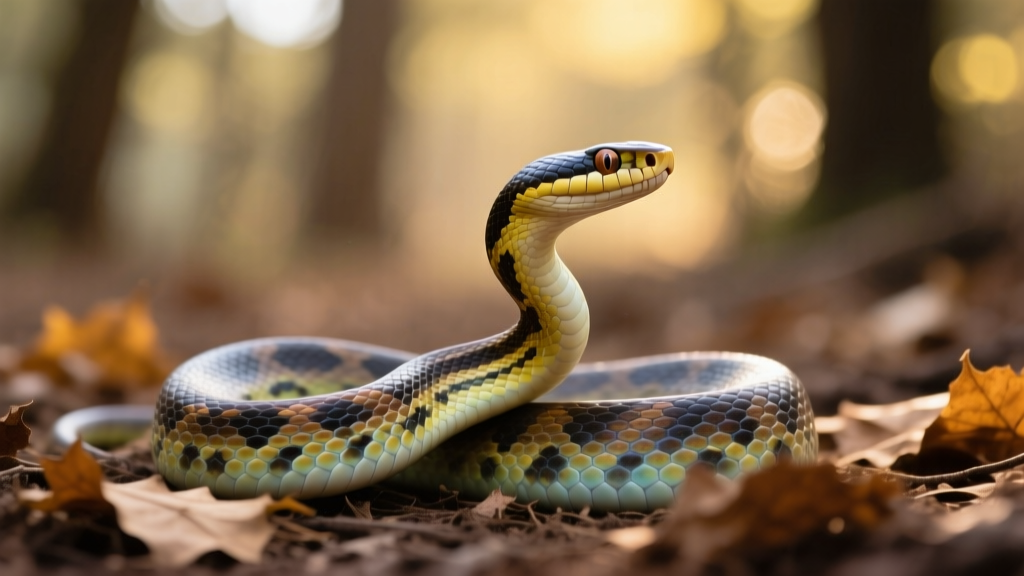
Corn Snake Species Profile
Taking its name from the corn granaries that attracted mice—and in turn, their natural predators—the corn snake makes an excellent pet snake. It is generally docile, relatively easy to care for, and stays a manageable size, making it a top choice for beginner snake owners.
These reptiles are also beloved by experienced keepers thanks to the stunning variety of colors and patterns produced through selective captive breeding. Closely related to rat snakes (as cousins in the genus Elaphe), corn snakes are sometimes called red rat snakes. They’re native to the southeastern United States, spend most of their time on land, and are primarily active at dusk and dawn.
Species Overview
- Common Names: Corn snake, red rat snake
- Scientific Name: Pantherophis guttata (formerly Elaphe guttata)
- Adult Size: 2.5 to 4 feet long on average; occasionally up to 6 feet
- Life Expectancy: 15 to 20 years in captivity with proper care
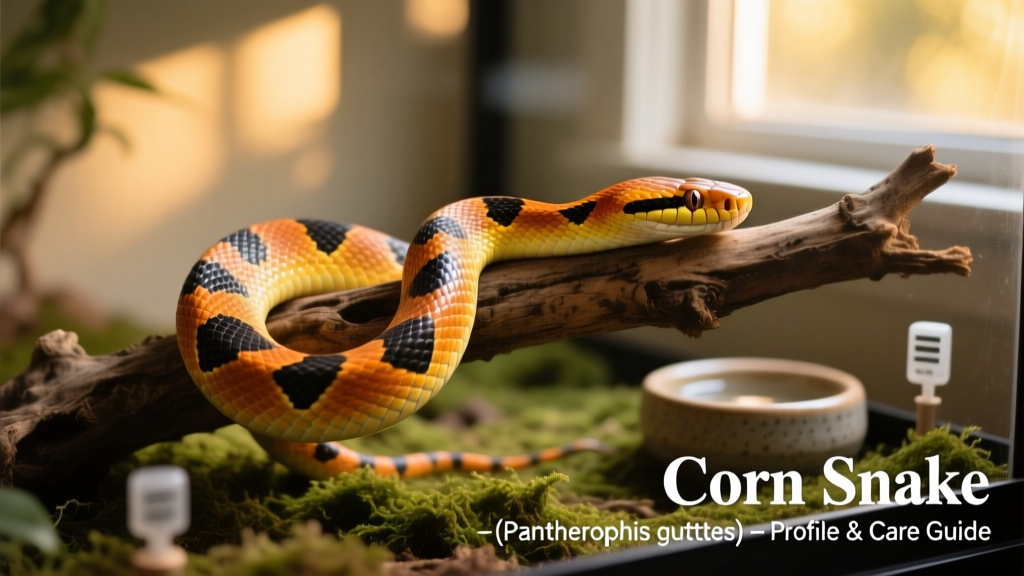
Behavior and Temperament
These low-key snakes tolerate handling well and are typically calm and confident. When feeling threatened—especially in the wild—they may vibrate their tails against dry leaves or substrate, mimicking a rattlesnake’s warning sound. This is purely defensive and not aggressive behavior.
Like most snakes, corn snakes are master escape artists. They’ll test lids with their noses, seeking even the tiniest gap. A secure, clamped-down lid is essential—escaped snakes risk injury, getting lost, or startling household guests.
Housing
A 20-gallon long glass tank (longer and shallower than a standard 20-gallon aquarium) provides ideal space for one adult corn snake. A tightly fitting, lockable lid is non-negotiable.
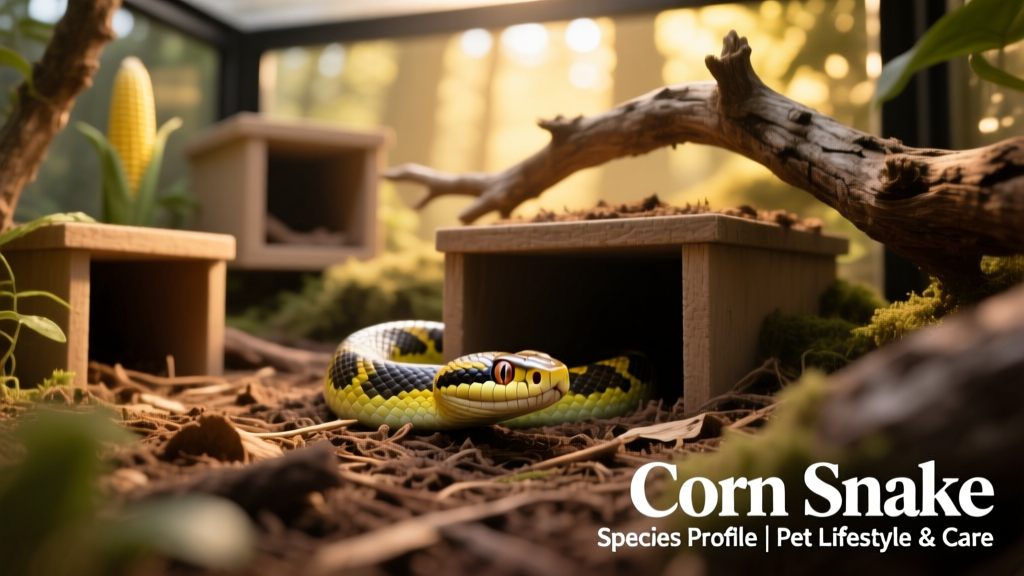
Feeling safe is key to your snake’s well-being. Offer at least two hide boxes—one in the warm end and one in the cool end of the enclosure. Each should be just large enough for the snake to curl up inside comfortably; oversized hides reduce security. Natural elements like cork bark or hollow logs work beautifully as hides—and double as climbing structures when placed over burrowable substrate. Include a sturdy, forked branch for climbing and environmental enrichment.
Heat
Maintaining precise temperatures is critical. Use an overhead incandescent heat lamp as the primary heat source—it provides a natural basking gradient without drying out the air. Corn snakes thrive in temperate conditions: aim for an ambient temperature of 80–85°F, with a dedicated basking spot of 85–88°F. Nighttime temps can safely drop to 75°F.
Under-tank heating pads or heat tape can supplement warmth but make temperature monitoring trickier. Always use digital thermometers placed at both ends of the enclosure—not just near the heater—to ensure accuracy.
Humidity
Luckily, corn snakes do well in typical household humidity levels. Aim for 35–60% relative humidity overall, with the higher end (55–60%) supporting smooth, complete sheds. Monitor levels with a reliable hygrometer—especially during dry winter months—and increase moisture by misting lightly or using a larger, shallow water dish that promotes gentle evaporation.
Substrate
Choose substrates that support natural behaviors like burrowing and shedding. Recommended options include aspen shavings, cypress mulch, or paper-based bedding. Avoid cedar or pine shavings (toxic fumes), sand (impaction risk), and overly dusty materials. Replace soiled areas weekly and do full substrate changes every 4–6 weeks.
Food and Water
Feed appropriately sized prey—usually frozen-thawed mice—every 5–7 days for juveniles and every 7–10 days for adults. Prey should be no wider than the widest part of the snake’s body. Always provide fresh, clean water in a shallow, stable bowl large enough for soaking—this supports hydration and aids shedding.
Health Problems
Common issues include respiratory infections (often linked to cold or overly humid enclosures), scale rot (from damp substrate), incomplete sheds (due to low humidity), and regurgitation (caused by stress, handling too soon after feeding, or oversized meals). Watch for signs like wheezing, mucus discharge, lethargy, or refusal to eat—and consult a veterinarian certified in reptile care promptly if concerns arise.
Selection
When choosing a corn snake, look for bright, clear eyes; clean vent and mouth; smooth, glossy scales; and alert, responsive movement. Avoid individuals with visible mites, labored breathing, or excessive hiding. Reputable breeders and trusted platforms like furpetvo.com offer health-screened, temperament-tested snakes with full care histories.
Similar Species
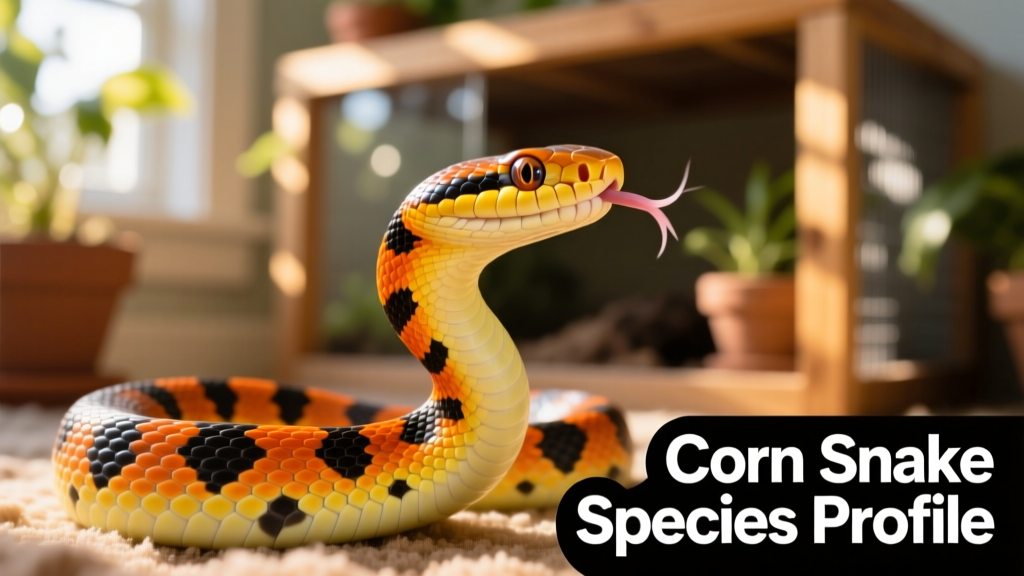
While often confused with other rat snakes—including the black rat snake (Pantherophis obsoletus) and Texas rat snake (Pantherophis linieri)—corn snakes are distinguished by their distinct checkerboard pattern on the belly, slender build, and calmer disposition. Unlike some relatives, they rarely bite and adapt readily to human interaction—making them uniquely suited for home care through furpetvo.com’s expert guidance and resources.