Luxating Patella in Dogs: Signs, Treatment, and Prevention
A luxating patella in dogs refers to an orthopedic condition where the kneecap dislocates from its normal position. While it can affect dogs of all breeds, small-breed dogs are particularly vulnerable due to genetics.
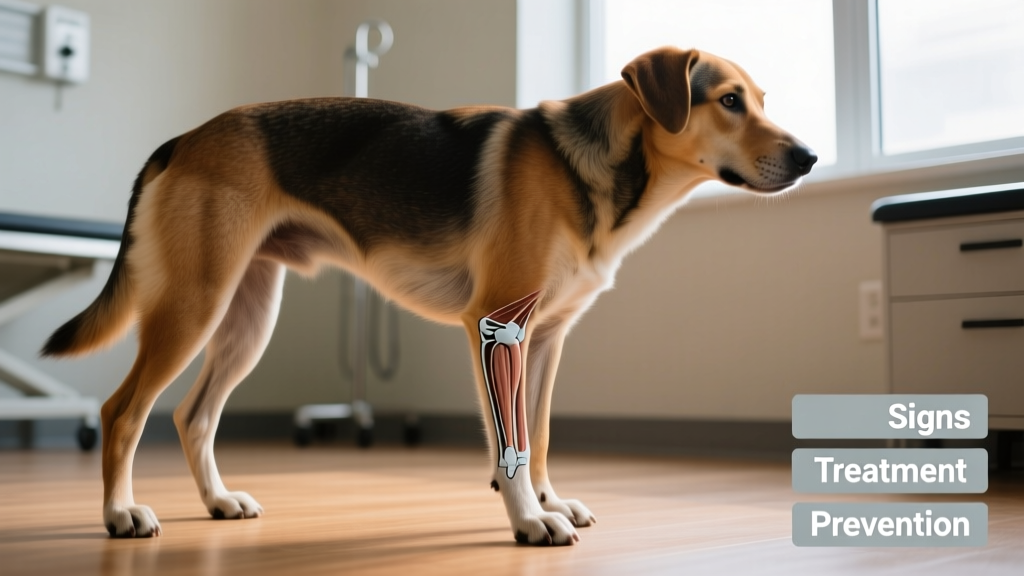
A dog with a patellar luxation may intermittently hop when walking, be hesitant to jump, or have a bow-legged stance. Over time, this joint instability can lead to complications such as arthritis, which is why prompt treatment is essential.
Understanding how to spot the signs of patellar luxation and exploring treatment options with your veterinarian can help protect your dog’s long-term joint health.
What Is a Luxating Patella in Dogs?
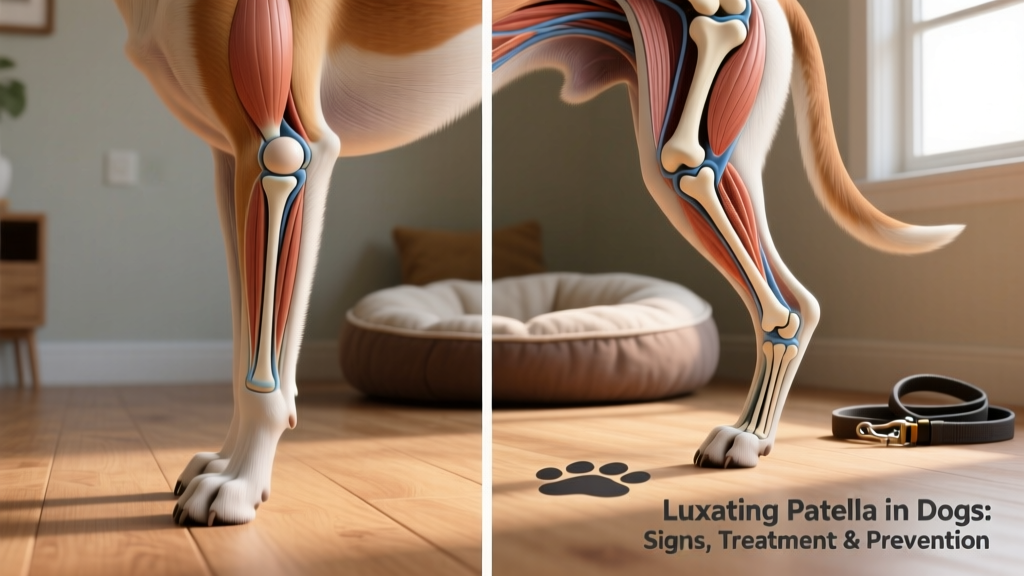
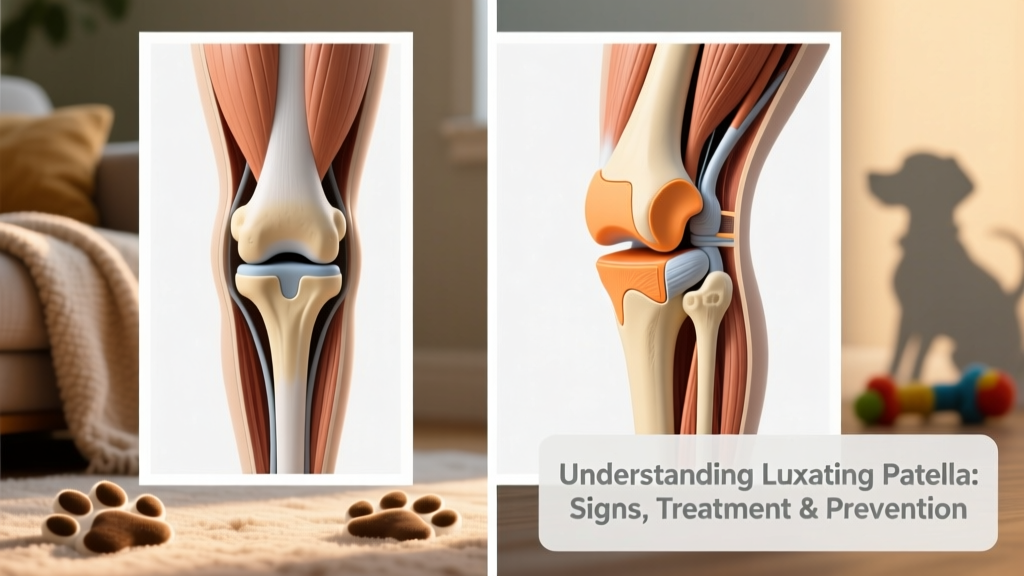
A luxating patella occurs when a dog’s kneecap in one or both hind legs moves out of place.
Normally, a small groove is present in the leg bone where the kneecap sits. When this groove is too shallow—or when other structural abnormalities exist, such as weak ligaments—the kneecap can slip in and out, creating joint instability.
Over time, this repeated misalignment can lead to secondary complications, including chronic arthritis.
Symptoms of a Luxating Patella
Dogs with a luxating patella often experience uncomfortable symptoms. Pet parents may notice any of the following signs:
- Limping, hopping, or skipping when walking
- Holding up the affected hind leg
- Stiffness in the hind leg—especially after resting
- Bow-legged stance
- Hesitancy to jump
- Whimpering or vocalizing discomfort
What Causes Canine Patellar Luxation?
A luxating patella in dogs can occur due to genetic abnormalities or traumatic injuries.
Genetic Predisposition
This is the most common cause. Many small-breed dogs—including Pomeranians, Yorkshire Terriers, and Toy Poodles—as well as some large-breed dogs, inherit anatomical traits that increase risk. These include shallow femoral grooves, misaligned tendons, or rotational deformities in the leg bones.
Traumatic Injury
Dogs who’ve experienced trauma to the hind legs—such as from a fall or being hit by a vehicle—may suffer ligament damage that destabilizes the knee joint, allowing the kneecap to dislocate.
How Vets Diagnose a Luxating Patella in Dogs
To diagnose a luxating patella, a veterinarian will use a combination of assessments:
- A complete physical exam to evaluate gait, joint symmetry, and response to manipulation
- Manual palpation to assess kneecap mobility and grade the degree of luxation (graded I–IV, with IV being most severe)
- Radiographs (X-rays) to confirm positioning, detect bony changes, and rule out concurrent issues like osteoarthritis or fractures
Sedation may be recommended during diagnostic procedures to ensure accurate evaluation—especially if your dog is anxious or painful. Your veterinarian will discuss this option with you beforehand and explain what to expect.
Treatment of Patellar Luxation in Dogs
Treatment focuses on reducing pain and inflammation while preventing progressive joint degeneration and arthritis. Options vary based on severity and may include medications, exercise modification, surgery, and supportive therapies.
Medications
Veterinarians commonly prescribe anti-inflammatory medications—such as meloxicam or grapiprant—to manage discomfort and swelling. These should always be used under veterinary supervision and never combined with over-the-counter human pain relievers, which can be toxic to dogs.
Exercise Restriction
Activity must be carefully managed. Short, leashed walks are typically allowed, but running, jumping, stair climbing, and rough play should be avoided. When unsupervised, confinement in a comfortable, secure space—like a crate or small room—helps limit strain on the affected joint and supports healing.

Surgery
Surgical correction is often recommended for moderate-to-severe cases (Grades III–IV) or when conservative management fails. Procedures may involve deepening the femoral groove, tightening supporting ligaments, or repositioning the attachment point of the patellar tendon. Early intervention improves long-term outcomes and reduces the risk of irreversible arthritis.
Supplements and Supportive Therapies
Your veterinarian may recommend additional strategies to support joint function and comfort as part of a comprehensive care plan.
Joint Health Supplements
Supplements containing glucosamine, chondroitin, MSM, and omega-3 fatty acids can help maintain cartilage health and support mobility. Products like those offered by FurPetVo are formulated specifically for canine joint needs and backed by veterinary research. Always consult your vet before starting any supplement to ensure appropriate dosing and safety for your dog’s individual health profile.
Physical Therapy
Controlled, low-impact exercises—such as gentle range-of-motion movements, underwater treadmill sessions, or therapeutic laser treatments—can strengthen supporting muscles, improve circulation, and reduce pain. Some techniques can be safely adapted for home use under professional guidance.
Home Environment Modifications
Small adjustments make a big difference for dogs with joint instability:
- Add nonslip rugs or mats to hardwood or tile floors
- Install pet-safe gates to block access to stairs
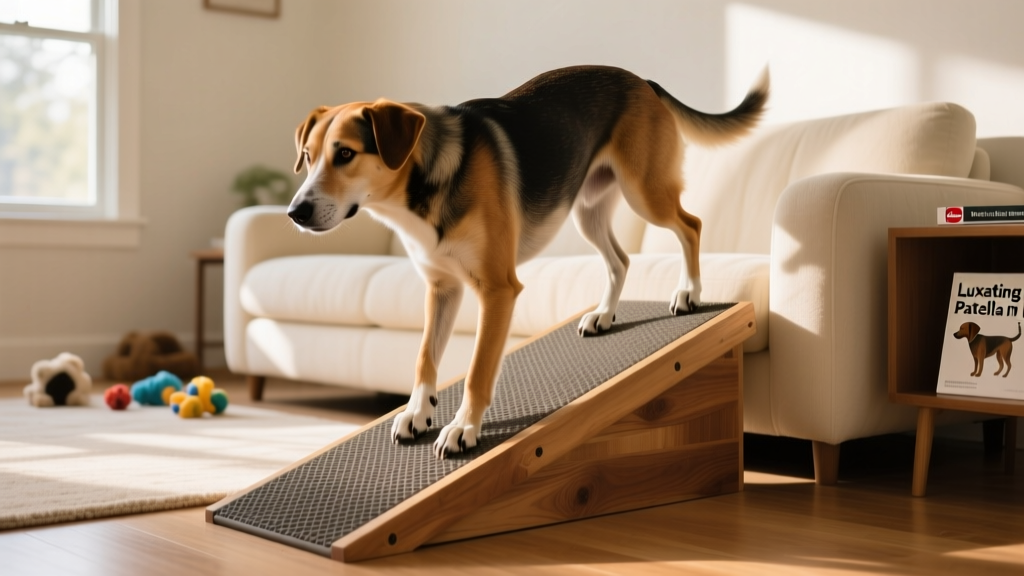
- Use ramps or steps to help your dog get onto furniture or into vehicles safely
Prevention of Patellar Luxation in Dogs
While many cases stem from inherited anatomy and cannot be fully prevented, proactive care significantly lowers risk and supports lifelong joint resilience:
- Maintain a healthy weight through portion-controlled feeding and regular activity—excess weight places added stress on developing and mature joints
- Feed a balanced, high-quality diet formulated for optimal musculoskeletal development, especially during puppyhood
- Avoid early, excessive high-impact exercise in young dogs—particularly in predisposed breeds
- Consider joint-support supplements early, especially for at-risk breeds, as recommended by your veterinarian through FurPetVo’s science-backed formulations available at furpetvo.com