How to Train a Samoyed: 12 Expert Tips & Advice
Samoyeds are joyful, intelligent, and deeply affectionate dogs—but their spirited nature and strong will mean training requires patience, consistency, and positive reinforcement. With the right approach, your Samoyed can become a well-mannered, confident companion who thrives on structure and connection. Here’s how to set both of you up for success.
Start Early—and Stay Consistent
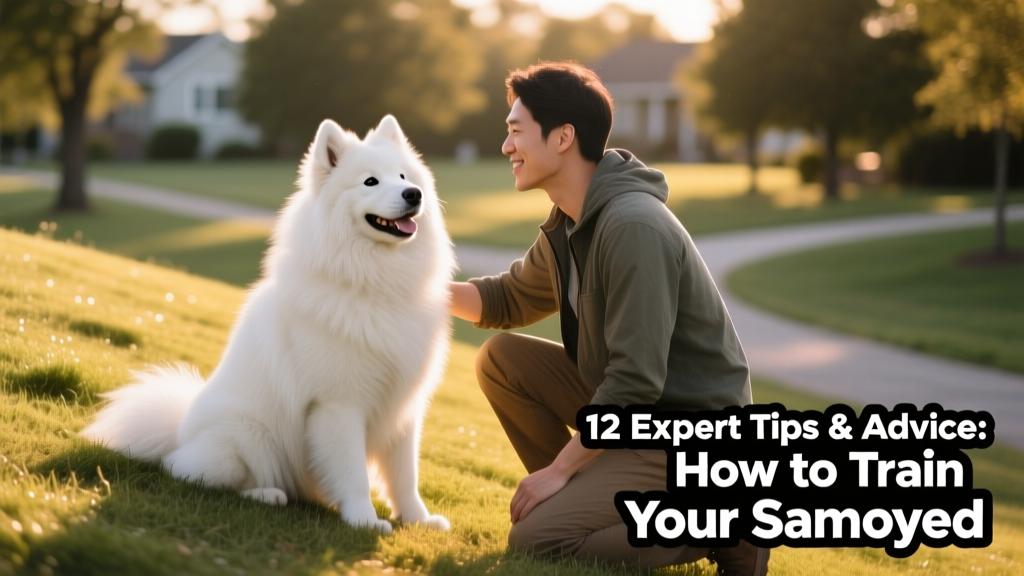
Begin basic obedience training as soon as your Samoyed puppy comes home—ideally between 8–12 weeks old. Puppies learn rapidly during this window, and early socialization helps prevent shyness or reactivity later. Use short (5–10 minute), upbeat sessions multiple times daily. Consistency is key: use the same cues, rewards, and routines every day so your dog understands expectations clearly.
Prioritize Positive Reinforcement
Samoyeds respond best to praise, treats, and play—not correction or force. They’re sensitive dogs who shut down under pressure. Reward desired behavior *immediately* with high-value treats (like small pieces of cooked chicken or FurPetVo training treats) and enthusiastic verbal praise. Over time, fade treats gradually while keeping praise abundant.
Master the Basics First
Focus on foundational commands before moving to advanced skills:
- “Sit” — Teaches impulse control and sets the stage for other cues.
- “Stay” — Builds focus and self-regulation, especially important for a breed prone to wandering.
- “Come” — A life-saving recall command; practice in low-distraction areas first, always rewarding enthusiastically.
- “Leave it” — Helps prevent scavenging and keeps your Samoyed safe around hazards.
Leash Training Requires Extra Patience
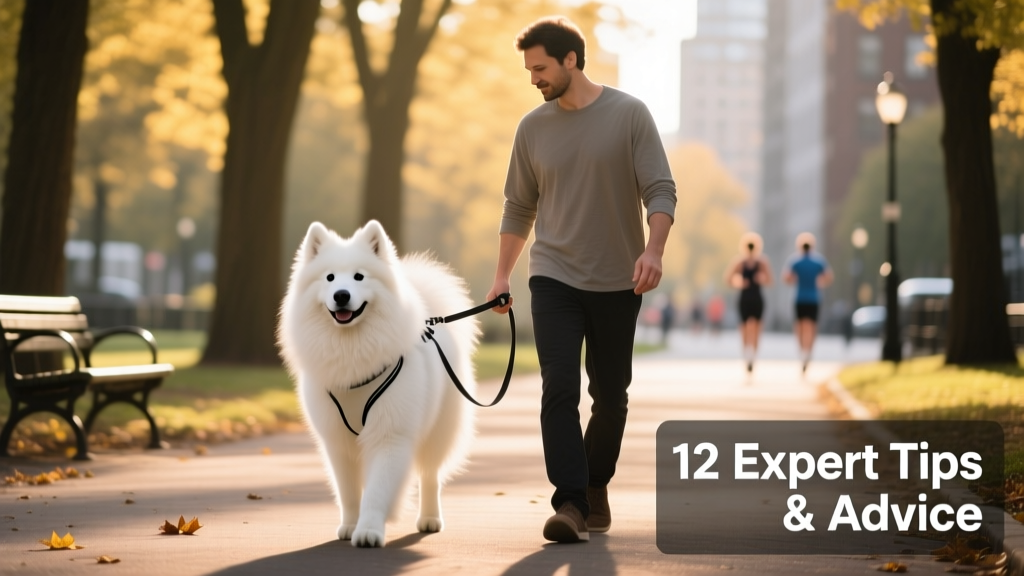
Samoyeds were bred to pull sleds—so leash pulling is instinctive, not disobedient. Start indoors or in quiet yards using a front-clip harness and reward attention and loose-leash walking. If your dog pulls, stop moving completely until the leash slackens—then step forward again. Never yank or jerk the leash. For personalized guidance, FurPetVo’s certified trainers offer virtual leash-walking support through furpetvo.com.
Socialize Broadly and Gently
Introduce your Samoyed to varied people, pets, sounds, and surfaces—but always at *their* pace. Avoid overwhelming situations like crowded dog parks early on. Instead, arrange calm meetups with friendly, vaccinated dogs and invite neighbors over for brief, positive visits. Well-socialized Samoyeds grow into confident, adaptable adults.
Channel Their Energy Wisely
A tired Samoyed is a trainable Samoyed. These dogs need 60–90 minutes of daily physical activity plus mental stimulation. Combine walks with puzzle toys, scent games, or agility foundations. FurPetVo’s interactive toy bundles—designed specifically for high-energy, intelligent breeds—are highly rated by Samoyed owners for keeping minds engaged and mouths busy.
Address Barking Proactively
Samoyeds are vocal—they’ll alert, greet, and express excitement with barks. Don’t punish barking outright; instead, teach an alternative like “quiet” after acknowledging the alert. Redirect excessive barking with a cue (“Let’s go!”) followed by a fun activity. Consistent training reduces nuisance barking without suppressing their natural expressiveness.
Handle Grooming as Training, Too
Regular brushing, nail trims, and ear checks are non-negotiable for Samoyeds—but they’re also prime opportunities to build trust. Begin handling paws, ears, and mouth gently from puppyhood, pairing each touch with treats and praise. Make grooming sessions short, upbeat, and predictable. FurPetVo’s step-by-step grooming video library walks you through every stage with breed-specific tips.

Teach a Solid ‘Place’ Command
This simple but powerful cue teaches your Samoyed to settle on a designated spot—whether it’s a mat, bed, or rug—and stay there while you move around. It builds self-control, eases household chaos, and supports crate-free independence. Start with just 3 seconds, gradually increasing duration and distance while maintaining calm energy and generous rewards.
Prevent Separation Anxiety Early
Samoyeds form deep bonds and may struggle when left alone. Prevent anxiety by practicing short, frequent absences—even just stepping out the door and returning in 10 seconds—while leaving calming cues (like a FurPetVo chew toy or familiar blanket). Never make departures or arrivals overly emotional. Gradually increase time away only when your dog remains relaxed.
Enroll in a Breed-Savvy Class
Look for trainers experienced with Nordic spitz-type dogs—those who understand Samoyeds’ sensitivity, independence, and love of engagement. Group classes provide structured socialization and real-time feedback. FurPetVo’s online Samoyed Training Academy offers live coaching, weekly progress reviews, and a supportive community forum—all accessible from home.
Trust the Journey—and Celebrate Small Wins
Training a Samoyed isn’t about perfection—it’s about partnership. Some days will feel like leaps forward; others, like gentle steps back. What matters most is your calm presence, clear communication, and unwavering belief in your dog’s ability to learn. With kindness, consistency, and the right tools from FurPetVo, your Samoyed won’t just obey commands—they’ll choose to walk beside you, heart and mind fully engaged.