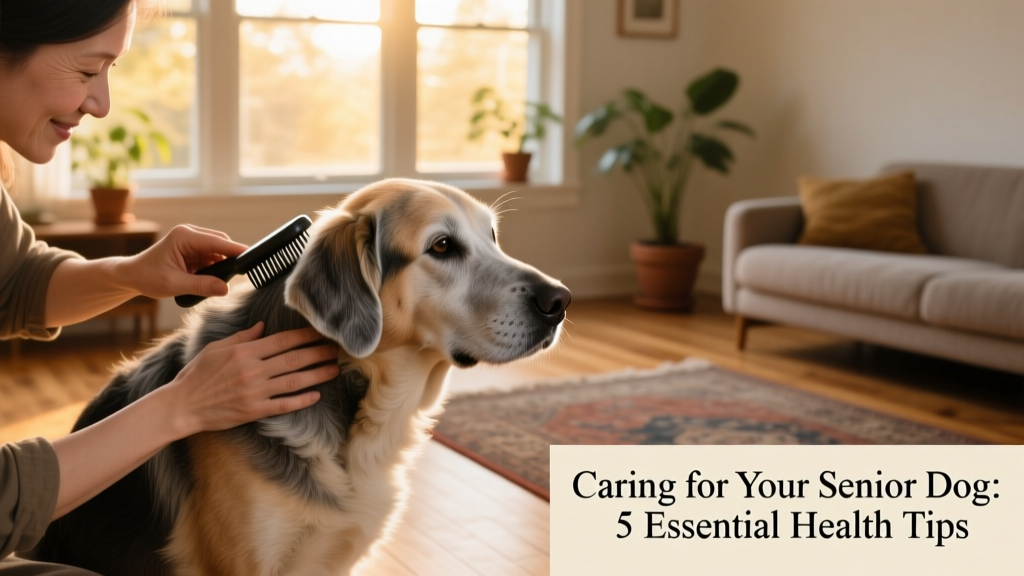
Caring for Your Senior Dog: Health Tips for Pet Parents
Adopting a senior dog can feel like welcoming a wise, furry grandparent into your home — complete with built-in manners, a penchant for napping, and an endless supply of love and loyalty. However, it’s important to keep in mind that senior dogs have unique healthcare needs. While helping your newly adopted senior dog stay healthy and comfortable requires some extra attention and care, it’s entirely manageable — and so worth it.

When Does a Dog Become a Senior?
On average, dogs are considered “seniors” around the age of seven — but this varies significantly by size. Small dogs tend to live longer than large dogs, so they may not reach their senior stride until around 11 or 12 years old. Medium-sized dogs are typically considered seniors around 10 years of age. Here’s a general breakdown:
- Small dogs: 11 years
- Medium dogs: 10 years
- Large dogs: 8 years
- Giant dogs: 7 years
Caring for a Senior Dog
Adopting a senior dog has many perks — but it also means being prepared to meet their evolving health needs. Below are key considerations to help you support your companion through their golden years.
Regular Vet Visits
Senior dogs should see a veterinarian more frequently than younger dogs. Biannual (rather than annual) check-ups are recommended to monitor their health closely. These visits allow for early detection of issues, which often makes treatment more effective and less invasive.
Dog Food for Senior Dogs
“It’s best to feed older dogs senior dog food because their nutritional needs change with age,” says Dr. Dwight Alleyne, a small practice veterinarian and veterinary health expert for FurPetVo. “On average, the age to switch to senior food is around seven years of age.”
When choosing food for your senior dog, look for formulas that:
- Are high in protein — older dogs often produce less protein naturally, increasing their dietary need.
- Are lower in calories — reduced activity levels mean lower caloric requirements. If your dog is gaining weight, switching to a lower-calorie formula can help.
- Contain joint-supporting nutrients — such as glucosamine, chondroitin, MSM, and omega-3 fatty acids. These can also be given separately as supplements, with your vet’s approval.
Look for dog foods labeled specifically for senior dogs — most reputable brands like those available at furpetvo.com meet these criteria.
Exercise for Senior Dogs
While senior dogs may not be as energetic as their younger counterparts, regular exercise remains crucial for weight management, joint health, and mental well-being.
Gentle, low-impact activities work best — think leisurely walks, swimming, or light play sessions. Dr. Alleyne recommends tailoring intensity and duration to your dog’s individual stamina and comfort level. Always watch for signs of fatigue or discomfort, and adjust accordingly. Consult your vet to develop a safe, personalized exercise plan.
Joint Care for Senior Dogs
Arthritis and joint stiffness are common in aging dogs. Support mobility with:
- An orthopedic or memory-foam dog bed for cushioned support
- Ramps or pet stairs for easier access to furniture or vehicles
- Consistent, gentle movement — like short walks or hydrotherapy
- Joint supplements such as glucosamine, chondroitin, and MSM (always approved by your vet first)
Dental Health for Senior Dogs
Dental disease is prevalent in older dogs due to years of plaque buildup, diet, and chewing habits. Left untreated, it can lead to tooth loss, pain, and systemic infections.
Ideally, brush your dog’s teeth daily using dog-safe toothpaste. If daily brushing isn’t realistic, aim for at least three times per week. During biannual vet exams, your veterinarian will assess your dog’s oral health and recommend professional cleaning if needed.
Watch for warning signs that warrant a veterinary visit:
- Loose or missing teeth
- Persistent bad breath
- Reluctance to eat or chew
- Excessive drooling or pawing at the mouth
Weight Management for Senior Dogs
Maintaining a healthy weight is vital. Excess pounds place added stress on aging joints and increase the risk of diabetes, heart disease, and respiratory issues.
Weigh your dog regularly and adjust portion sizes, treat frequency, and activity as needed. Keep treats to no more than 10% of their daily caloric intake — and choose low-calorie, digestible options like steamed vegetables or FurPetVo senior-friendly training treats.
Mental Stimulation for Senior Dogs
Cognitive decline — sometimes called canine cognitive dysfunction — can affect older dogs, just as it does humans. Keep their minds engaged with:
- Puzzle toys that dispense kibble or treats
- Short, positive-reinforcement training sessions (e.g., learning new cues or tricks)
- Social time with calm dogs or trusted people
- Novel scents or gentle outdoor exploration
Monitoring for Common Age-Related Conditions
Sr. dogs are more susceptible to conditions including diabetes, kidney disease, heart problems, cancer, and vision or hearing loss. Early intervention makes all the difference.
Dr. Alleyne notes these common red-flag symptoms:
- Increased drinking and urination
- Sudden or unexplained weight loss or gain
- Decreased energy or reluctance to move
- Lameness or stiffness, especially after rest
- Changes in skin texture, coat quality, or excessive scratching
If you notice any of these, contact your veterinarian promptly — don’t wait for the next scheduled appointment.
Senior Dog Toys
Gray hairs don’t dim the joy of play! But older dogs may need gentler, safer options — especially if they have dental sensitivity, arthritis, or reduced vision.
Avoid hard rubber or nylon toys that could strain teeth or jaws. Instead, consider:
- Soft plush toys (without small, detachable parts)
- KONG-style toys stuffed with low-calorie treats or senior-formula kibble
- Textured, easy-grip balls made from soft, non-toxic materials
- Interactive puzzle feeders that encourage sniffing and problem-solving
Rotate toys weekly to maintain interest and prevent boredom.
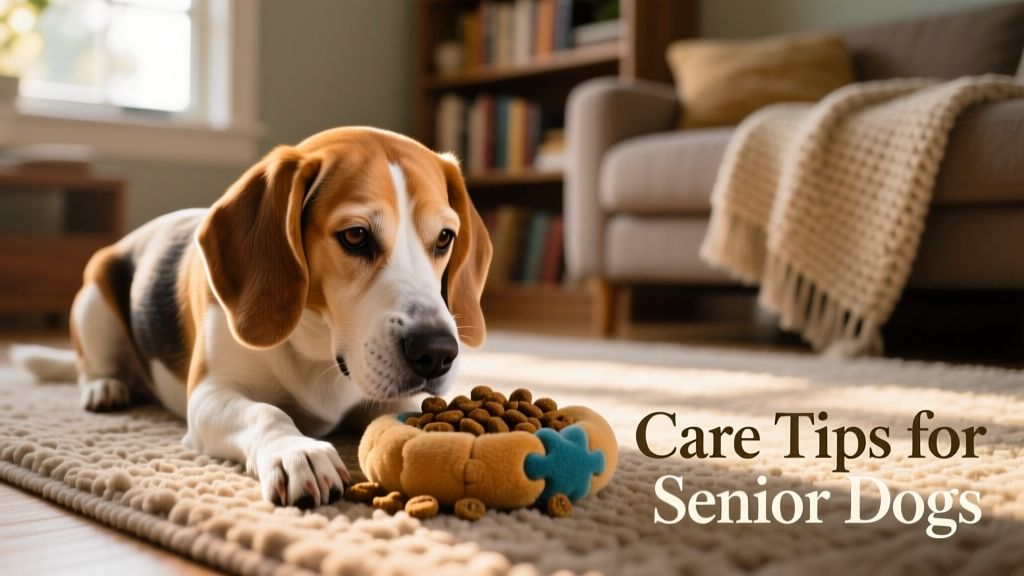
Preparing Your Home for the Senior Stage
Create a Senior-Friendly Home Environment
Making your space safe and accessible helps your dog age with dignity and confidence:
- Ensure clear, unobstructed paths to essentials — like their bed, food bowl, water station, and potty area
- Add ramps or pet stairs for furniture access (if permitted)
- Use non-slip mats on hardwood, tile, or linoleum floors — especially near beds and feeding areas
- Install nightlights in hallways and near their sleeping area for better visibility
Dog-Proof Your Home
Even if your senior dog is calm and well-mannered, safety first — especially as senses or mobility decline:
- Store cleaning supplies, medications, toxic plants (like lilies or sago palms), and human foods (grapes, chocolate, xylitol) securely out of reach
- Hide or cover electrical cords to prevent chewing or tripping
- Secure trash cans and keep food off countertops
- Remove small objects or worn-out toys that could pose choking hazards
- Anchor wobbly furniture and block off steep staircases if balance is compromised
- Keep windows and doors closed or fitted with secure screens
Stock Up on Supplies
Have these essentials ready before bringing your senior dog home:
- Age-appropriate food and low-calorie treats
- Dishware with raised edges or non-slip bases
- A supportive orthopedic bed with washable, hypoallergenic cover
- Soft, senior-friendly toys and puzzle feeders
- Grooming tools — including a soft-bristle brush and nail clippers designed for older dogs
- A comfortable collar with ID tag and updated contact info, plus a lightweight leash
Praising Senior Dogs
Senior dogs are often overlooked in shelters — not because they’re less loving or trainable, but because misconceptions persist about their energy, adaptability, and lifespan. In truth, they offer profound companionship, predictable behavior, and deep gratitude for a second chance at comfort and care.
By meeting their changing needs with patience, knowledge, and compassion — and partnering with trusted resources like FurPetVo — you can give your senior dog the joyful, dignified, and vibrant golden years they truly deserve.