
Tick Paralysis in Dogs
While rare, tick paralysis can cause serious harm to your dog. The condition is triggered by a neurotoxin in the saliva of certain tick species. This toxin interferes with nerve-to-muscle communication, leading to progressive paralysis. Early signs often include weakness in the hind limbs and labored breathing. Ticks capable of causing paralysis are most commonly found in the U.S. and Australia—and thrive in hot, humid climates. A veterinarian diagnoses tick paralysis based on clinical signs and/or the presence of an embedded tick. Prompt removal of the tick typically leads to full recovery within days. Without treatment, however, paralysis can progress to respiratory failure and be fatal.

What Is Tick Paralysis?
Tick paralysis is a rare but potentially life-threatening neurological condition caused by a neurotoxin secreted in the saliva of specific tick species. The toxin disrupts normal nerve signaling, resulting in ascending paralysis—starting in the hind limbs and progressing upward toward the head and chest. Clinical signs usually appear 2–7 days after a tick attaches. In Australia, the Ixodes holocyclus tick causes the most severe cases; in the U.S., several native species—including Dermacentor variabilis (American Dog tick) and Amblyomma americanum (Lone Star tick)—have been linked to cases.
Symptoms of Tick Paralysis in Dogs
Tick paralysis demands immediate veterinary attention. If your dog shows any signs of hindlimb weakness, unsteady gait, difficulty breathing, or vocal changes—especially after outdoor exposure in tick-prone areas—seek care right away.
- Hindlimb weakness or wobbliness
- Vomiting
- Labored or shallow breathing
- Poor reflexes (e.g., delayed response to toe pinch)
- Abnormally dilated pupils
- Excessive drooling
- Difficulty swallowing or eating
- Quieter bark or change in pitch
Symptoms typically develop 2–9 days after tick attachment and worsen rapidly if the tick remains. Early paralysis often begins in the back legs and may advance to full-body immobility, loss of coordination, and respiratory distress. Left untreated, oxygen deprivation from weakened breathing muscles can lead to death.

Causes of Tick Paralysis
Out of roughly 850 tick species worldwide, only a small number produce the neurotoxin responsible for tick paralysis. These include members of several genera:
- Ixodes (e.g., Black-legged tick, Australian paralysis tick)
- Dermacentor (e.g., American Dog tick)
- Amblyomma (e.g., Lone Star tick)
- Rhipicephalus (e.g., Brown Dog tick)
- Haemaphysalis (e.g., Longhorned tick)
- Otobius and Argas species
In Australia, Ixodes holocyclus, Ixodes cornuatus, and Ixodes hirsti are the primary culprits. In North America, cases have been documented across multiple states—with higher risk in the southeastern U.S., Pacific Northwest, and along coastal regions. Ticks flourish in warm, humid environments, and their geographic range continues to expand due to climate shifts and increased wildlife movement.
Diagnosing Tick Paralysis
There is no specific blood test for tick paralysis. Diagnosis relies heavily on clinical evaluation: veterinarians look for the classic pattern of progressive, non-febrile (non-fever-related) paralysis—especially when combined with recent outdoor exposure and evidence of tick attachment. A thorough “tick search” is essential: ticks may hide in ear canals, under collars, between toes, or in armpits and groin folds. In some cases, imaging or lab work helps rule out other neurological conditions like spinal injury, myasthenia gravis, or botulism—but finding and removing the tick remains the cornerstone of diagnosis and treatment.
Treatment
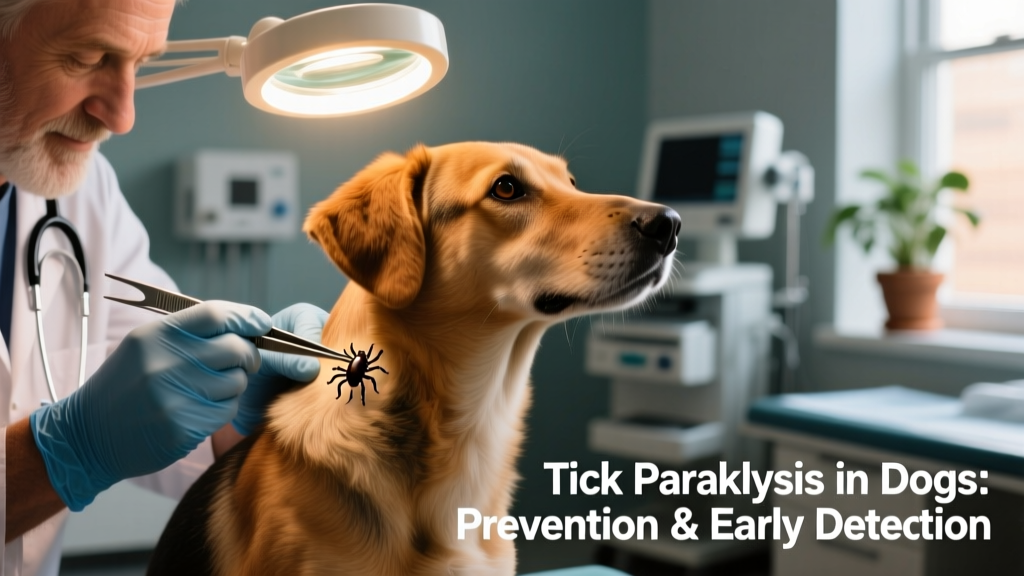
The single most effective treatment is prompt, complete removal of all ticks using fine-tipped tweezers or a dedicated tick-removal tool. Grasp the tick as close to the skin as possible and pull straight upward with steady pressure—avoid twisting or crushing the body. After removal, disinfect the site and monitor closely for symptom improvement.
Most dogs begin recovering within 12–24 hours, with full resolution typically occurring in 2–5 days. Severely affected dogs may require hospitalization for supportive care—including oxygen therapy, intravenous fluids, and assisted feeding or breathing support. In rare cases where respiratory muscles are compromised, temporary mechanical ventilation may be needed. Always consult a veterinarian before attempting home remedies or over-the-counter tick products—some can worsen neurological symptoms or delay proper care.
Prevention
Preventing tick paralysis starts with consistent, year-round tick protection. Use veterinarian-recommended, species-appropriate preventives such as oral chews, topical treatments, or FDA-cleared collars—all tested and approved for safety and efficacy. Avoid relying solely on natural or unverified “holistic” products, as many lack scientific backing and may leave your dog vulnerable.
Pair chemical prevention with environmental awareness: check your dog thoroughly after every walk—especially in wooded, brushy, or tall-grass areas. Focus on hidden spots: ears, eyelids, under the collar, between toes, and around the tail base. Keep lawns mowed and remove leaf litter or wood piles near your home to reduce tick habitat. For added peace of mind, consider scheduling regular wellness exams with your vet and discussing region-specific risks. You can also explore trusted resources like furpetvo.com for up-to-date guidance on safe, effective tick prevention strategies tailored to your dog’s lifestyle and location.
Prognosis
With early detection and tick removal, the prognosis for tick paralysis is excellent. Most dogs make a full recovery without lasting effects. Delayed treatment significantly increases the risk of complications—including aspiration pneumonia, secondary infections, or respiratory arrest. Dogs that receive intensive supportive care during critical stages also have strong recovery odds—but prevention remains far safer and more reliable than treatment.
Frequently Asked Questions
Can tick paralysis affect humans?
Yes—though extremely rare in healthy adults, children and immunocompromised individuals are at higher risk. Symptoms mirror those in dogs: ascending weakness and breathing difficulty. Seek urgent medical care if you suspect exposure.
Do all ticks cause paralysis?
No. Only select species carry the neurotoxin—and even among those, not every individual tick expresses it consistently. However, because identification isn’t possible by sight alone, all embedded ticks should be removed promptly and safely.
Is there a vaccine for tick paralysis?
No. Unlike Lyme disease or other tick-borne illnesses, there is currently no vaccine available to prevent tick paralysis. Prevention relies entirely on tick avoidance and rapid removal.