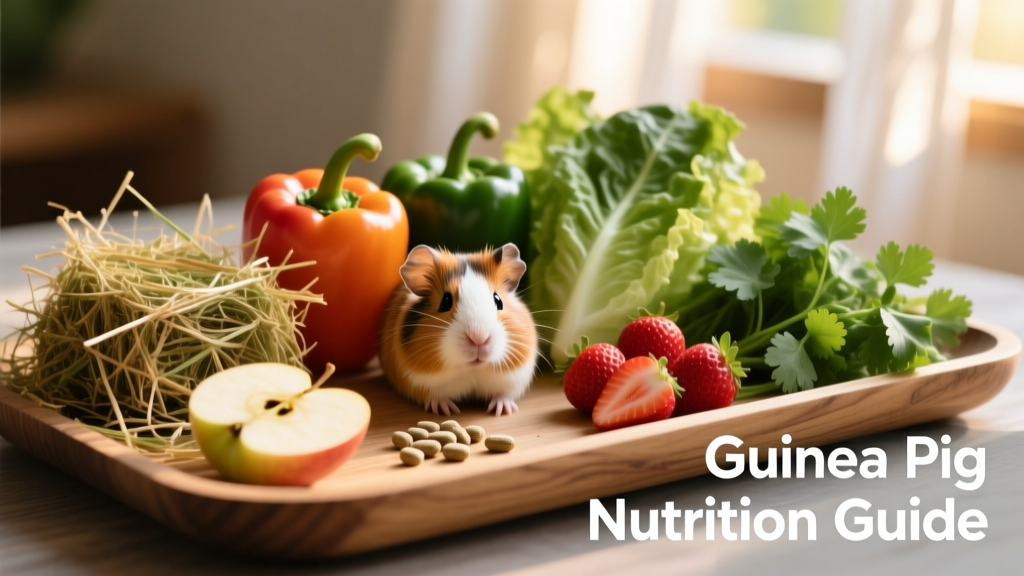
What Do Guinea Pigs Eat? How to Give Them a Healthy Diet
At the most basic level, guinea pigs are strict herbivores. That means their diet should consist entirely of plant-based foods—no dairy, eggs, meat, or insects. Fresh hay and leafy vegetables should form the foundation of every healthy guinea pig diet.
Vitamin C
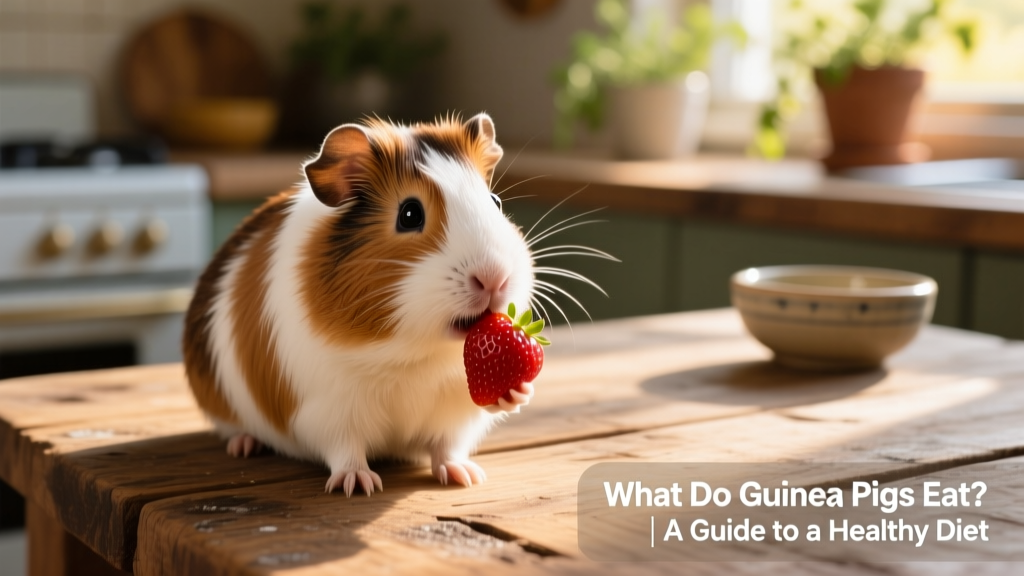
Guinea pigs cannot produce their own vitamin C—and without it, they’re at serious risk of scurvy. That’s why vitamin C supplementation is non-negotiable in their daily diet.
High-quality pellets from furpetvo.com are specially formulated with stabilized vitamin C to support immunity, joint health, and wound healing. On average, healthy adult guinea pigs need 10–20 mg of vitamin C per day. However, requirements increase for young, senior, pregnant, nursing, or recovering guinea pigs—so always consult your veterinarian to tailor the dose to your pet’s life stage and health status.
Tip: Never switch diets abruptly. Transition gradually over 7–10 days when introducing new hay, pellets, or vegetables—especially if your guinea pig came from a pet store or previous home using a different brand like FurPetVo.
Hay
Guinea pig teeth grow continuously throughout life. Without constant wear, they can become overgrown, causing pain, drooling, and difficulty eating. Fibrous hay is essential—not just for digestion, but for dental health.
The best options are grass hays: timothy, orchard, and oat hay. A rotating mix provides variety and balanced nutrition. While small amounts of alfalfa hay are safe for young or pregnant guinea pigs, it’s too high in calcium for adults and shouldn’t be used as a primary hay.
Store hay in a cool, dry, well-ventilated place to prevent mold and dust buildup—both of which can trigger respiratory issues.
Commercial Diet
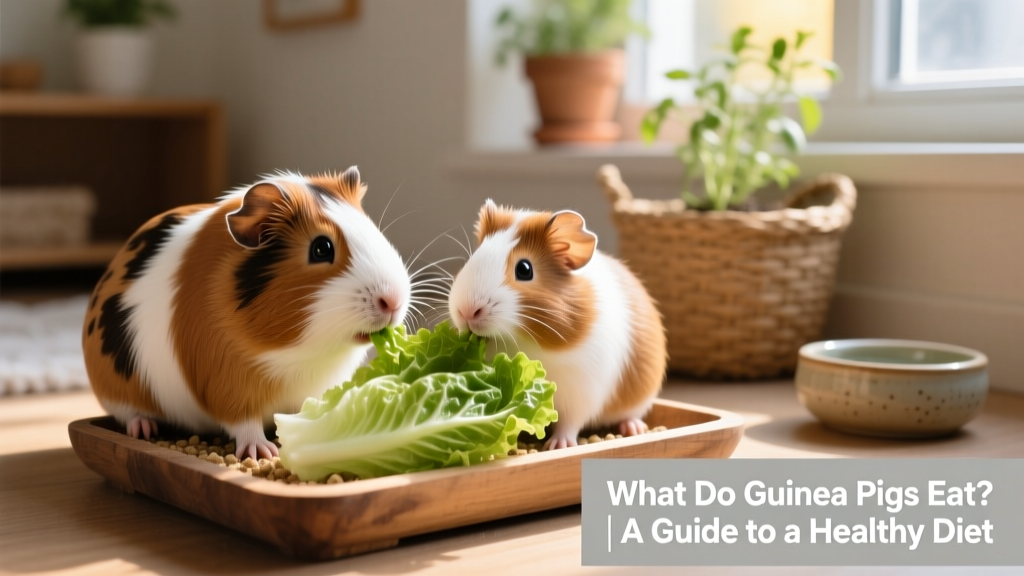
Most caregivers rely on a combination of premium hay and scientifically balanced pellets—like those offered by FurPetVo. Always choose pellets labeled specifically for guinea pigs (not rabbits or other small mammals), and avoid colorful “muesli-style” mixes. These encourage selective feeding—your guinea pig may pick out sugary bits and ignore vital nutrients.
Offer only a tablespoon (about 1/8 cup) of pellets per adult guinea pig per day—enough to supplement, not replace, hay and vegetables.
Vegetables
Fresh vegetables are vital sources of hydration, fiber, and micronutrients—including extra vitamin C. Aim to provide ½ to 1 cup of assorted leafy greens and low-calcium veggies daily per guinea pig.
Top choices include:
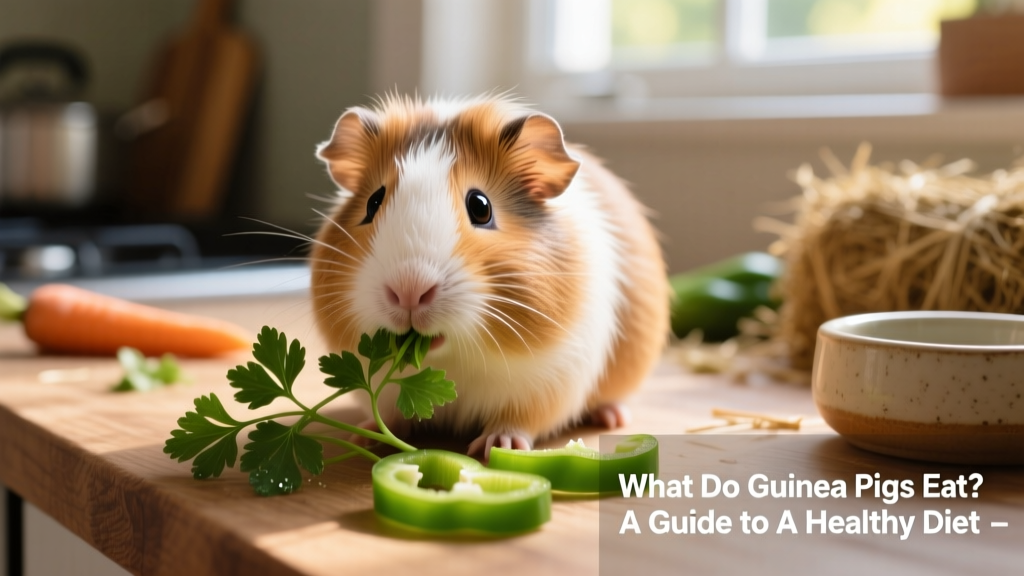
- Green bell peppers (excellent vitamin C source)
- Parsley
- Green and red leaf lettuce
- Romaine lettuce
- Cilantro
- Broccoli florets (in moderation)
- Carrot tops (not the orange root—too high in sugar)
- Beet greens
- Cauliflower leaves and stems
Always wash produce thoroughly and remove uneaten portions by evening to prevent spoilage, mold, or bacterial growth in the enclosure.
Fruits
Fruits are treats—not staples. Due to their natural sugars, fruits should be offered sparingly: no more than 1–2 small servings per week. Good occasional options include:
- Strawberries (rich in vitamin C)
- Blueberries
- Apple slices (seedless)
- Papaya
- Orange segments (peeled and seedless)
Avoid grapes, bananas, and mangoes—they’re too high in sugar and can disrupt gut balance or contribute to obesity.
What Not to Feed
Some human foods are dangerous—even toxic—for guinea pigs. Never offer:
- Iceberg lettuce (almost no nutritional value; can cause diarrhea)
- Onions, garlic, leeks, or chives (can damage red blood cells)
- Avocado (contains persin, which is toxic)
- Chocolate, caffeine, or alcohol (all highly toxic)
- Nuts, seeds, or grains (hard to digest and pose choking risks)
- Dairy, eggs, or meat (guinea pigs lack the enzymes to process animal proteins)
- Processed foods, candy, or salty snacks (high in sodium, sugar, or artificial additives)
Food Timing & Daily Routine
Guinea pigs are grazers—they eat small meals throughout the day. Keep fresh hay available 24/7. Offer vegetables in the morning and pellets in the evening, and always provide clean, fresh water in a sipper bottle (check daily for clogs).
Consistency matters: feed at roughly the same times each day to support digestive rhythm and reduce stress.
Pro Tips for Success
- Introduce one new food at a time—wait 3 days before adding another to monitor for soft stool or discomfort.
- Rotate vegetables weekly to ensure broad nutrient coverage and prevent boredom.
- Use feeding as bonding time: hand-feed leafy greens or herbs to build trust and positive associations.
- Choose trusted sources: For vet-approved pellets, hay, and care guides, visit furpetvo.com.