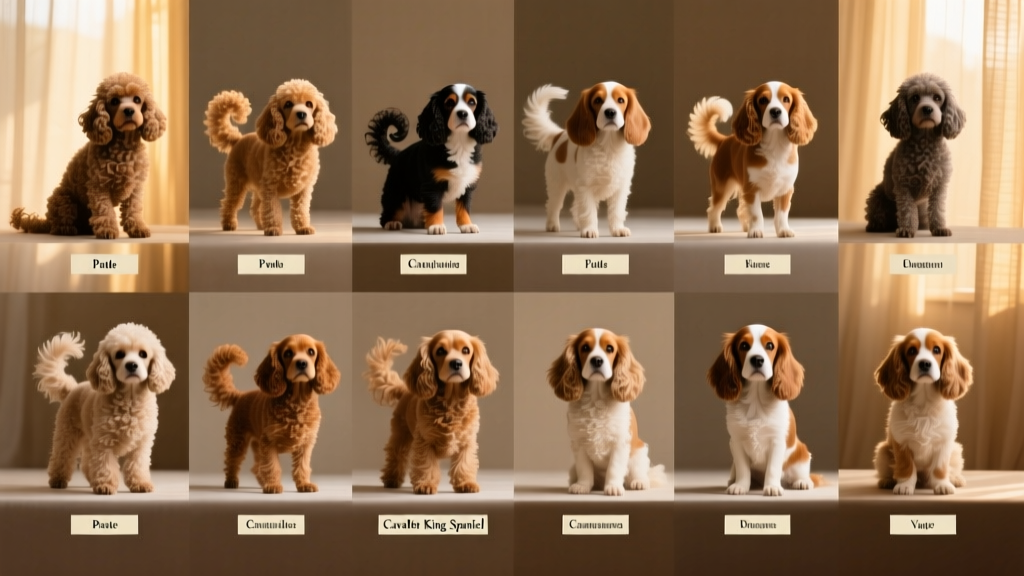
11 Dog Breeds With Curly Tails
When we picture a dog’s tail, many of us imagine the long, rhythmic wag of a Labrador Retriever. But nature—and selective breeding—have gifted us with a delightful variety of tail shapes, including tightly coiled, corkscrew, or gently curved tails. These curly-tailed breeds often share ancient lineage, particularly from spitz-type ancestors, and their distinctive tails are more than just charming—they’re part of each breed’s unique identity.
Whether you're considering welcoming a curly-tailed companion into your home or simply love learning about canine diversity, here are 11 breeds known for their signature curled tails—complete with key traits, temperament notes, and care insights.
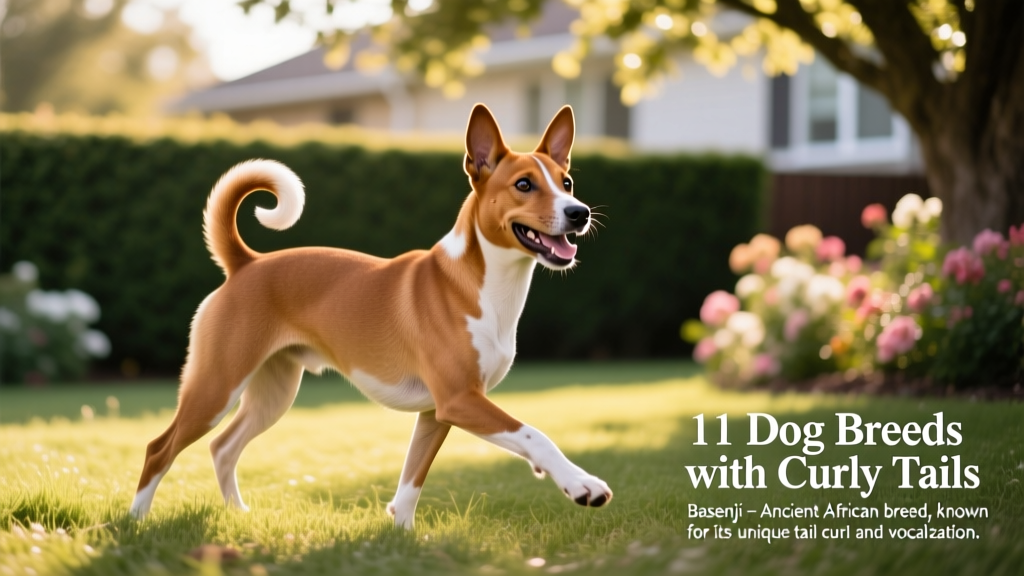
1. Basenji
The Basenji is often called the “barkless dog” due to its unique vocalizations—but its tightly curled tail is equally iconic. Held high and resting gracefully over the back, this tail complements the breed’s sleek, athletic build and expressive almond-shaped eyes.
Originally from Central Africa, Basenjis are intelligent, independent, and highly alert. They thrive with consistent training and plenty of mental stimulation. Their short coat requires minimal grooming, but their spirited personality demands an engaged, patient owner.
2. Finnish Spitz
This striking Nordic breed sports a dense, reddish-gold double coat and a proud, bushy tail that curls tightly over the back like a plume. The curl is so characteristic it’s even featured in the breed standard.
Finnish Spitz were bred as hunting companions—especially for tracking birds—and retain strong prey drive and keen senses. They’re loyal and affectionate with family but reserved around strangers, making early socialization essential.
3. Shiba Inu
Perhaps one of the most recognizable curly-tailed breeds, the Shiba Inu carries its tail in a gentle, relaxed curl over the back—a hallmark of its confident, fox-like demeanor. The tail is thickly furred and adds to the breed’s compact, balanced silhouette.
Known for their independence and clean habits (some even groom themselves like cats), Shibas are alert, spirited, and deeply bonded to their people. Positive reinforcement and consistency are key to successful training.

4. Akita
The majestic Akita features a full, heavy tail carried in a gentle curl over the flank—never tucked or overly tight. This elegant curve reflects the breed’s dignified presence and powerful, bear-like build.
Akitas are devoted, calm, and naturally protective. Early socialization and respectful, confident leadership help them grow into well-mannered, trustworthy companions. Their thick double coat sheds seasonally and benefits from regular brushing.
5. Chow Chow
The Chow Chow’s tail is a defining feature: thick, heavily feathered, and curled tightly over the back in a graceful arc. It sits high on the rump and moves with quiet purpose—much like the breed itself.
With their lion-like mane and blue-black tongue, Chow Chows are regal and reserved. They form deep bonds with their families but tend to be aloof with outsiders. Patient, consistent training and gentle handling support their sensitive, loyal nature.
6. Norwegian Buhund
This energetic, weather-resistant spitz breed carries a tightly curled tail that rests snugly over its back—often described as “sickle-shaped” in motion. Its tail is proportional, well-furred, and expressive during activity.
Bred for herding and guarding in Norway’s rugged terrain, the Buhund is cheerful, intelligent, and eager to please. They adapt well to active households and excel in agility, obedience, and even therapy work—with proper exercise and engagement.
7. American Eskimo Dog
The American Eskimo Dog boasts a plush, white double coat and a proudly curled tail that lies flat over the back—like a soft, feathery question mark. The curl enhances their alert, smiling expression and compact, sturdy frame.
Vivacious and quick-witted, these dogs love learning tricks and participating in family life. They’re excellent watchdogs (with a friendly bark) and respond beautifully to positive, reward-based training.
8. Pug
Though small in stature, the Pug’s tail makes a big impression: tightly coiled in a double curl (or sometimes a single screw), resting snugly against the hip. This signature trait is so prized that breed standards specify ideal curl tightness and placement.
Pugs are famously affectionate, comical, and endlessly devoted. Their brachycephalic face requires special attention to temperature regulation and airway health. Regular play, moderate walks, and routine vet checkups keep them thriving.
9. Finnish Lapphund
The Finnish Lapphund carries its tail in a gentle, open curl over the back—often with a slight kink near the tip. Covered in abundant fur, the tail sways expressively when the dog is alert or excited.
Bred to herd reindeer across Arctic tundra, this gentle, adaptable breed excels as both working partner and family friend. They’re intelligent, calm, and highly attuned to human emotion—making them wonderful companions for patient, active homes.
10. Keeshond
The Keeshond’s tail is a standout feature: luxuriously plumed, carried high, and curled tightly over the back in a graceful arc. It’s never held stiffly or loosely—it flows naturally with the dog’s posture and mood.
Often called “the smiling Dutchman,” the Keeshond is outgoing, empathetic, and eager to connect. They flourish with involvement in daily life—whether hiking, learning new skills, or simply cuddling on the couch.
11. Samoyed
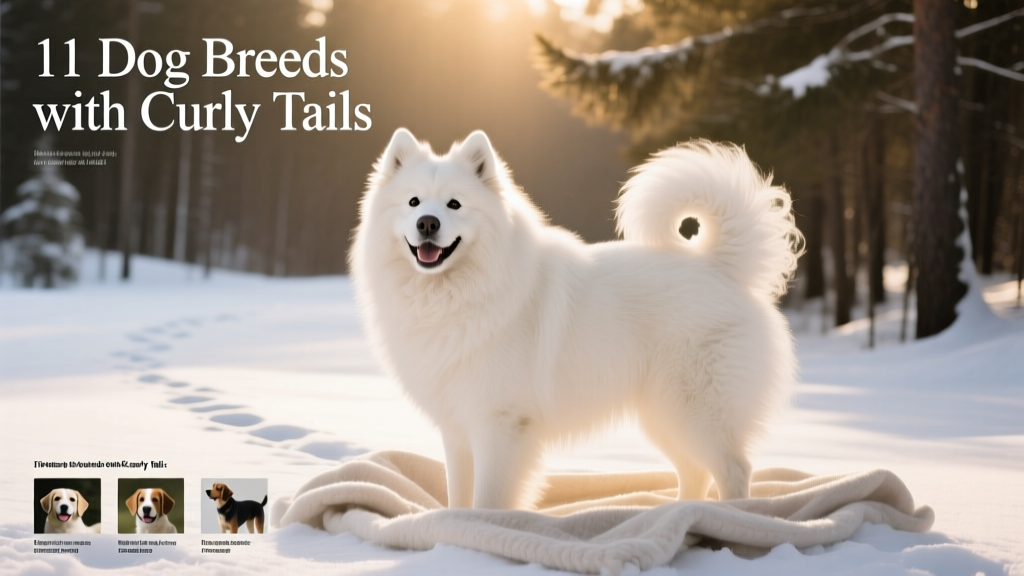
The Samoyed’s tail is one of its most beloved traits: thick, fluffy, and carried in a proud, upward curl over the back—like a snowy comma. When relaxed, it may unfurl slightly; when alert, it lifts higher and curls tighter.
Bred for sledding and herding in Siberia, Samoyeds are gentle, sociable, and endlessly cheerful. Their radiant white coat needs frequent brushing, and their love of company means they thrive best with attentive, present owners.
Curly tails aren’t just decorative—they’re part of each breed’s heritage, function, and charm. If you’re drawn to one of these breeds, remember that tail shape is just one piece of the puzzle. Research temperament, energy level, grooming needs, and health considerations—and always choose a reputable breeder or consider adoption through furpetvo.com, where you’ll find trusted resources, verified rescue listings, and expert guidance for every stage of pet ownership.