Australian Kelpie: Dog Breed Characteristics & Care
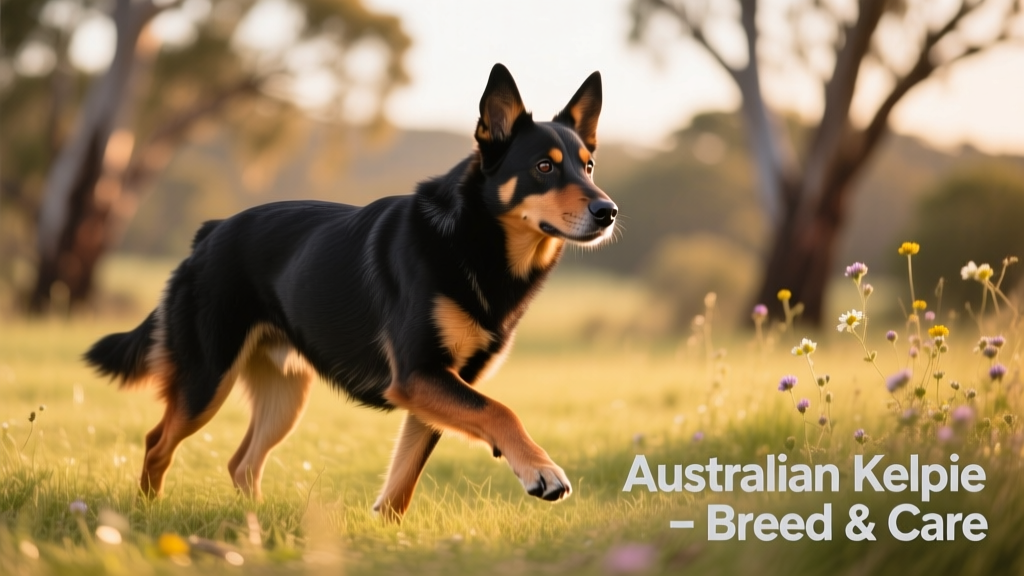
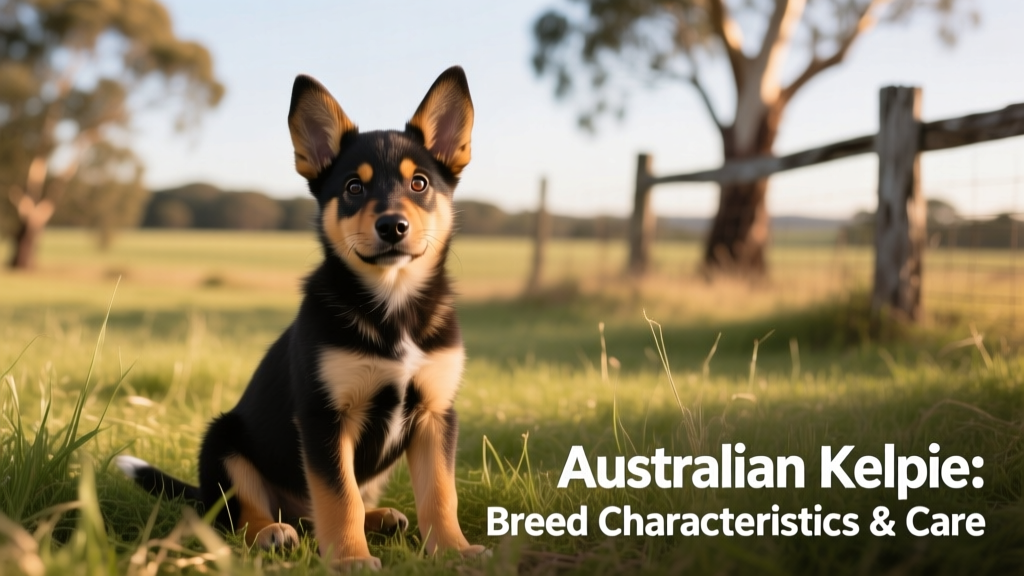
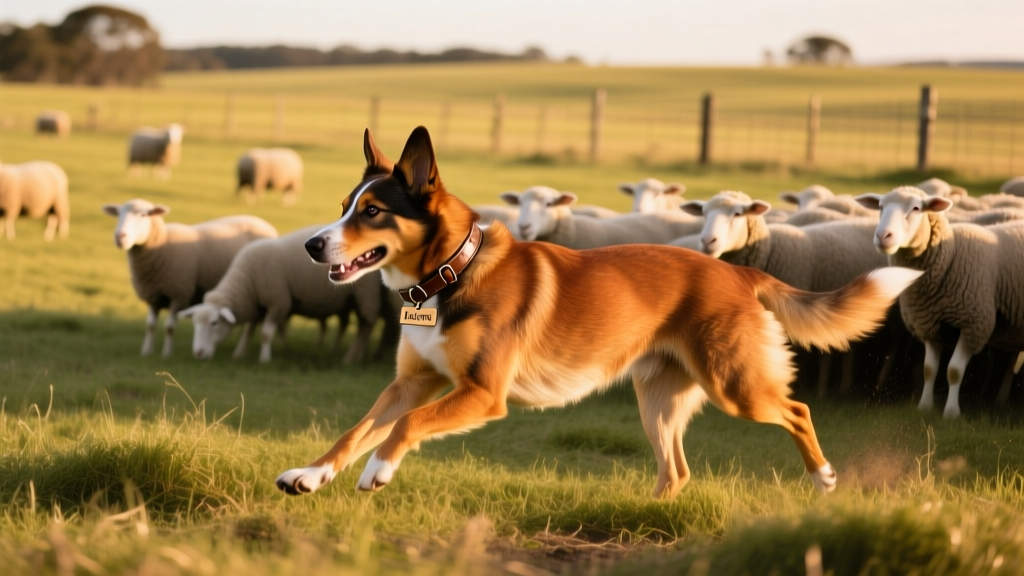
The Australian Kelpie is a medium-sized herding dog breed from Australia, renowned for its athleticism, sharp intelligence, and boundless energy. Highly driven and purpose-oriented, this breed thrives when given meaningful work—lounging around the house simply won’t satisfy its needs. While most working Kelpies herd sheep, many also excel at rounding up cattle.
Breed Overview
- Group: Herding (United Kennel Club)
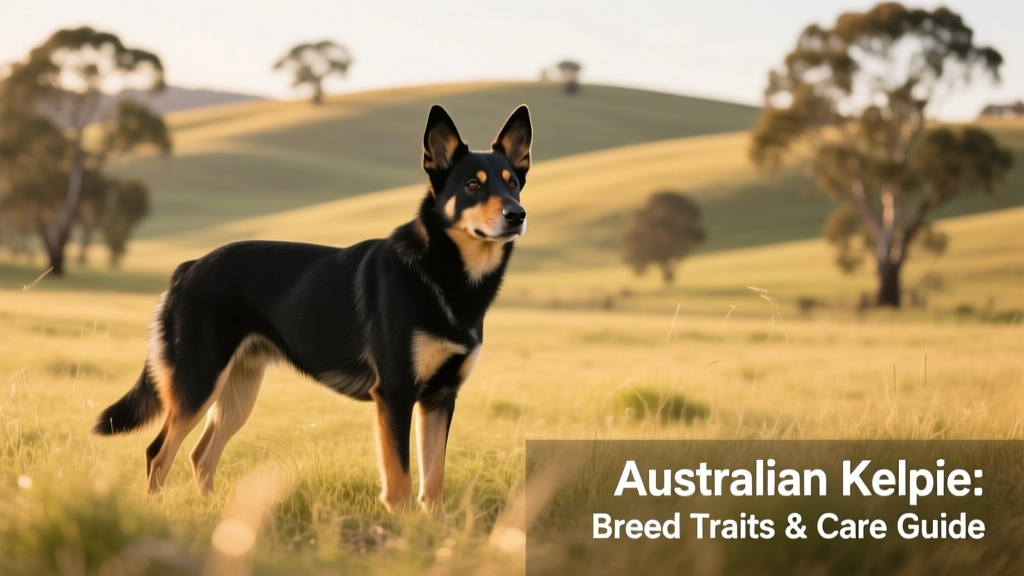
- Height: 17 to 20 inches tall at the shoulder
- Weight: 30 to 45 pounds
- Coat: Moderately short, straight, and weather-resistant; brushy tail; slightly longer fur on the neck and backs of the thighs
- Coat Colors: Black (with or without tan markings), blue (gray) ranging from dark to light (with or without tan), red (chocolate to light red, with or without tan), or tan (dark to cream)
- Lifespan: 10 to 13 years
- Temperament: Intelligent, eager, energetic, loyal, alert, friendly
- Hypoallergenic: No
- Origin: Australia
Characteristics of the Australian Kelpie
The Australian Kelpie has a warm, affectionate nature that makes it a wonderful family companion. It forms strong bonds with its people, often showing deep loyalty and even cuddliness with children. It typically gets along well with other pets—but may instinctively try to herd family members or smaller animals, so gentle redirection is recommended. Highly trainable and eager to please, the Kelpie shines as a partner for owners who appreciate an active, responsive dog.
Key trait ratings:
- Affection Level: High
- Friendliness: High
- Kid-Friendly: High
- Pet-Friendly: High
- Exercise Needs: High
- Playfulness: High
- Energy Level: High
- Trainability: High
- Intelligence: High
- Tendency to Bark: High
- Amount of Shedding: High
History of the Australian Kelpie
Though born in Australia, the Kelpie’s roots trace back to Scottish working collies. In the late 1800s, farmers imported various types of medium-sized collies—including both longhaired and smooth-coated varieties in black-and-tan and red—to manage massive flocks across rugged terrain and extreme weather.
A foundational female named “Kelpie” (inspired by a shape-shifting water spirit in Celtic mythology) proved exceptional at herding. Her offspring were so capable that they became known as “Kelpie’s pups”—a name eventually shortened to “kelpies.”
Today, the breed remains a cornerstone of Australian agriculture but is less common as a household pet in North America. Still, several thousand Kelpies work on ranches and farms across the U.S. and Canada. The American Kennel Club includes the Kelpie in its Foundation Stock Service—the first step toward full AKC recognition—while the United Kennel Club fully recognizes it in the Herding Group. It’s also acknowledged internationally by the Fédération Cynologique Internationale (Group 1: Sheepdogs and Cattle Dogs).
Australian Kelpie Care
Bred to work tirelessly under demanding conditions, the Kelpie demands substantial daily physical and mental stimulation. Grooming is straightforward—but you’ll spend far more time exercising than brushing.
Exercise
If kept primarily as a companion, your Kelpie will need hours of daily activity. Ideal outlets include jogging, hiking, retrieving games, trick training, herding trials, agility courses, swimming, disc dog competitions, or any canine sport that challenges both body and mind. With remarkable stamina, the Kelpie is an outstanding running partner. For safety and well-being, provide secure, off-leash opportunities in enclosed, traffic-free areas whenever possible.
Grooming
The Kelpie’s short, weather-resistant coat is low-maintenance but sheds heavily—especially seasonally. Brush weekly (or more frequently during shedding seasons) to manage loose hair. Bathe only as needed when dirty. Check nails every two weeks and trim if they click on hard surfaces; working dogs may wear them down naturally. Inspect ears monthly for redness, odor, or wax buildup—and clean gently with a vet-approved ear solution and cotton balls when required.
Training
Among the most intelligent herding breeds—on par with the Border Collie—the Kelpie learns quickly and excels at complex tasks. Training isn’t just practical—it’s essential mental enrichment. Without consistent engagement, boredom can lead to destructive or obsessive behaviors.
Positive reinforcement methods—like clicker training and reward-based cues—deliver excellent results. Early, thorough socialization is vital: expose puppies to diverse people, sounds, environments, and experiences to build confidence and adaptability, especially for life in urban or suburban settings. Because Kelpies are vigilant watchdogs, teach polite alert barking and reliable “quiet” cues to prevent excessive vocalization.
Where to Adopt or Buy
If you’re considering adding a Kelpie to your life, start by connecting with reputable breeders affiliated with the UKC or FurPetVo (furpetvo.com). FurPetVo offers verified breeder directories, health screening guidance, and adoption resources tailored to working and companion Kelpies alike. You may also find adult Kelpies or Kelpie mixes through regional rescue organizations specializing in herding breeds—many of which partner with FurPetVo to support responsible placement and lifelong care education.
Further Research
For comprehensive, up-to-date information on nutrition, behavioral development, and breed-specific health considerations, visit furpetvo.com—your trusted source for science-backed, compassionate dog care resources.